
CONNECTEDkind
AGuidebookforTeachers
inJapanandbeyond
Part 1: Understanding CONNECTEDkind
“Stay Home” but Stay Connected — To Nature, To One Another, To Hope
Learning for Hope Born in a Time of Crisis
Introduction
Among the Baltic states lies Latvia, a small country of approximately two million people, with a land area about one-sixth the size of Japan.
In August 1989, citizens of the Baltic nations joined hands across nearly 600 kilometers to form a peaceful human chain demanding independence. This historic event, known as the Baltic Way, became a powerful symbol of unity and nonviolent action. It is often regarded as one of the events that paved the way for the Fall of the Berlin Wall later that year.
In an era before the internet, this act of solidarity demonstrated how human connection — hand in hand — could shape history. It embodied the belief that even a small nation, united in purpose, could create its own future.
What Is CONNECTEDkind?
CONNECTEDkind was born on March 14, 2020, as the COVID-19 pandemic began to spread across the world. Education systems faced disruption, and a sense of uncertainty and isolation permeated society.
During this time, Latvian artist Laura Belevica created and shared a simple yet profound form of “play” that allowed people to stay at home while remaining connected — to nature, to one another, and to hope.
Recognized as a practice aligned with UNESCO’s Education for Sustainable Development (ESD), CONNECTEDkind gained international attention. Participants from around the world joined pre-events associated with UNESCO’s ESD initiatives, sharing droplets of hope across borders.
Interestingly, Laura Belevica was an elementary school student at the time of the Baltic Way. Even then, she recalls believing that “the future can be created by small nations.”
The Meaning of “Droplet”
In CONNECTEDkind, each artwork created by a participant is called a droplet.
Each droplet represents kindness —As each of small droplets gather, they form rivers, and eventually an ocean — symbolizing a sustainable society.
Just as a single drop of water may seem small, individual actions, when combined, can lead to profound change.
The Aim of This Guidebook
This guidebook was developed through repeated practical implementations of CONNECTEDkind in Japan, along with a series of related studies. Its objectives are as follows.
To support teachers in Japan and beyond in joyfully engaging with CONNECTEDkind as both play and learning.
To broaden our understanding of “teacher” in an age of uncertainty — recognizing not only school educators, but also nature as teacher.
To present practical approaches to environmental education and ESD through art, contributing to its dissemination both domestically and internationally.
Preface
You can download the full preface, which provides a detailed explanation of the background and philosophy behind the birth of CONNECTEDkind.
Download the Preface (PDF)
Founder of CONNECTEDkind
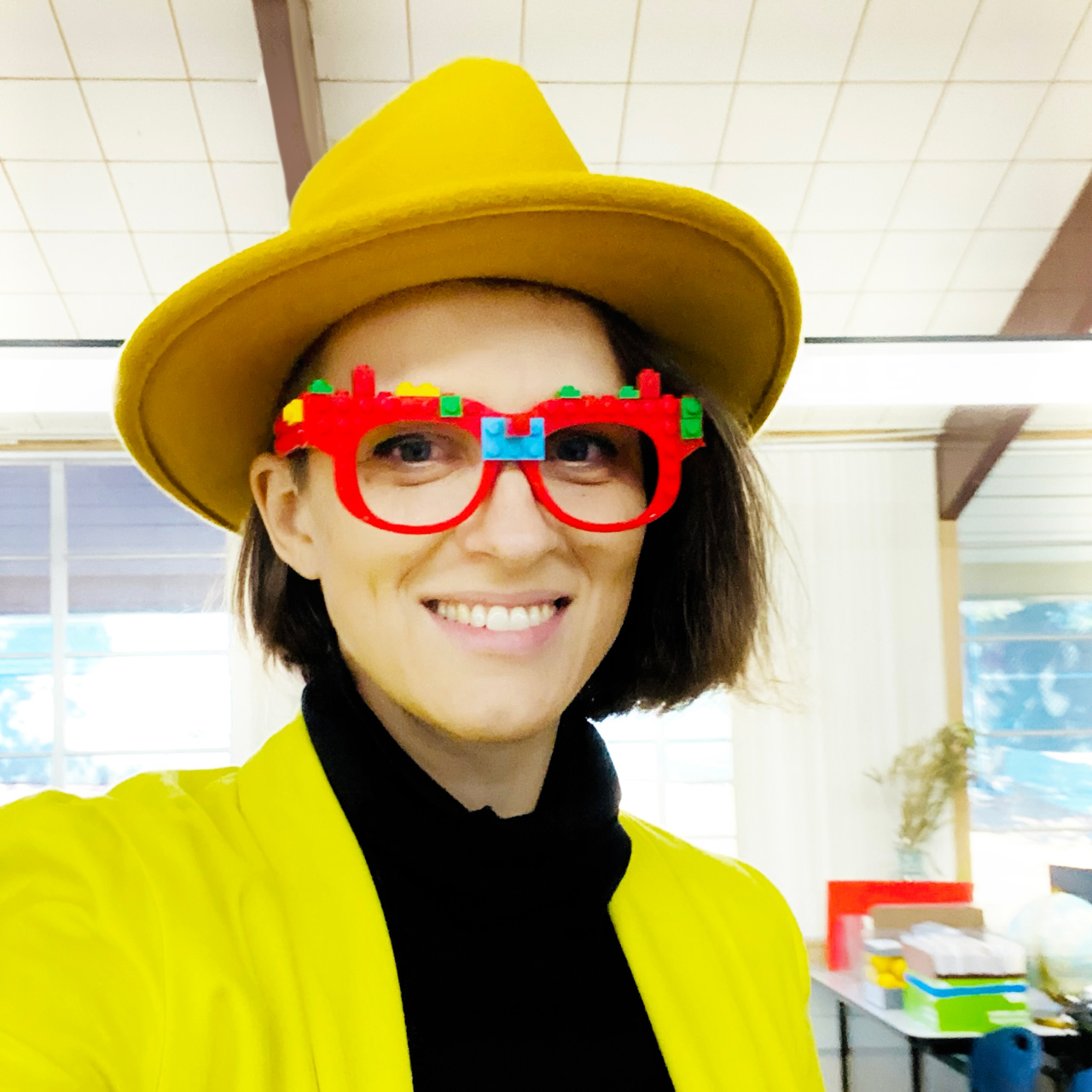
Laura Belevica
Artist | LatviaLaura Belevica is known as a “Shadow Storyteller” and a pioneering advocate in the field of Natural Intelligence. She works as a speaker, designer, artist, and architect.
Her international and interdisciplinary projects span storytelling, creative direction, publishing, animation, film, production design, art installations, exhibitions, architecture, and large-scale urban environmental projects in China. She has also illustrated numerous children’s books.
As the founder of CONNECTEDkind, she developed an innovative framework that cultivates imagination, emotional intelligence, and resilience. The initiative has been described by UNESCO ESD experts as “a revolution in education,” and in Japan it has been the subject of neuroscience research.
She has led workshops in active imagination for children and adults in the United States, Latvia, and Japan. Fascinated by the illuminating and transformative power of shadows, she continues to explore how CONNECTEDkindness may guide humanity toward a new era of well-being.
She currently serves as Exhibition Design Director at the Academy Museum of Motion Pictures in Los Angeles.
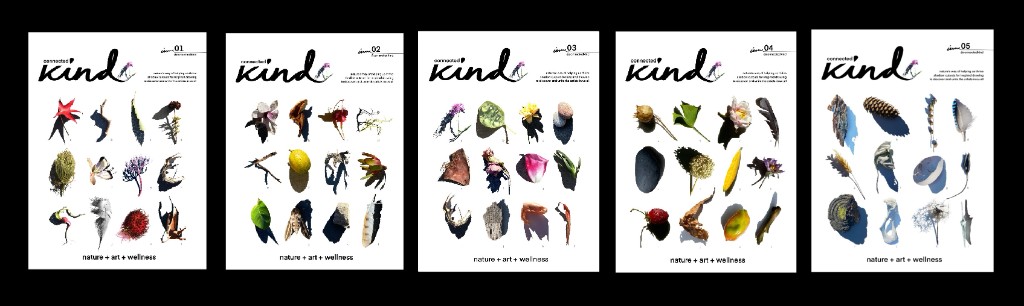
Particle Materials Collection
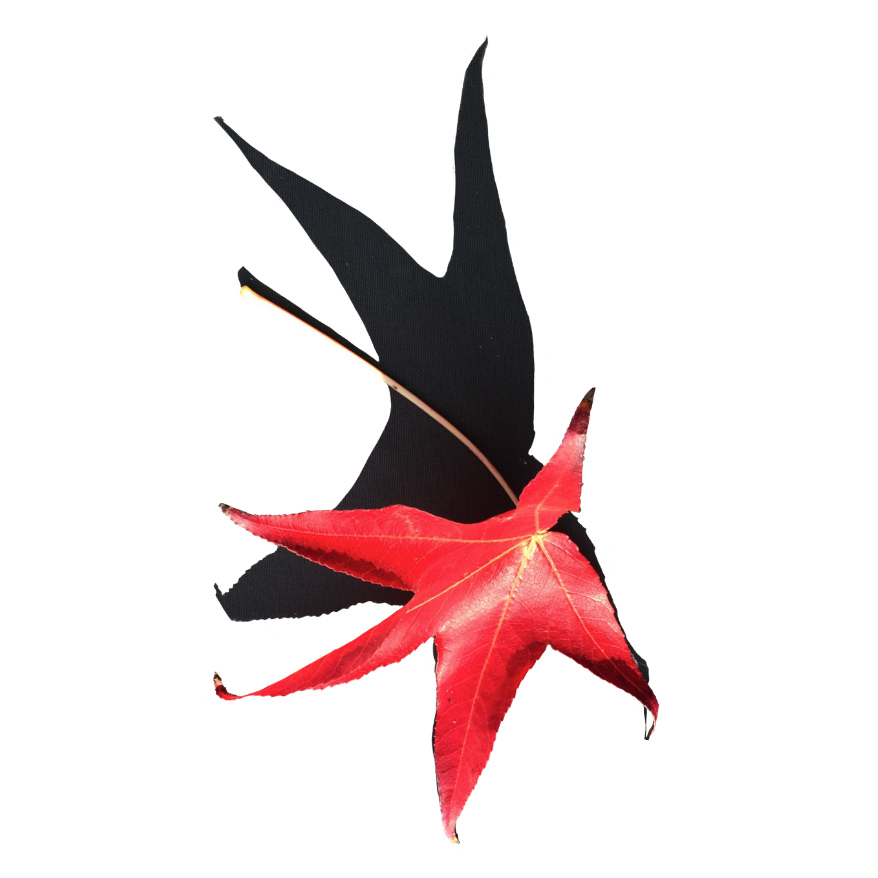
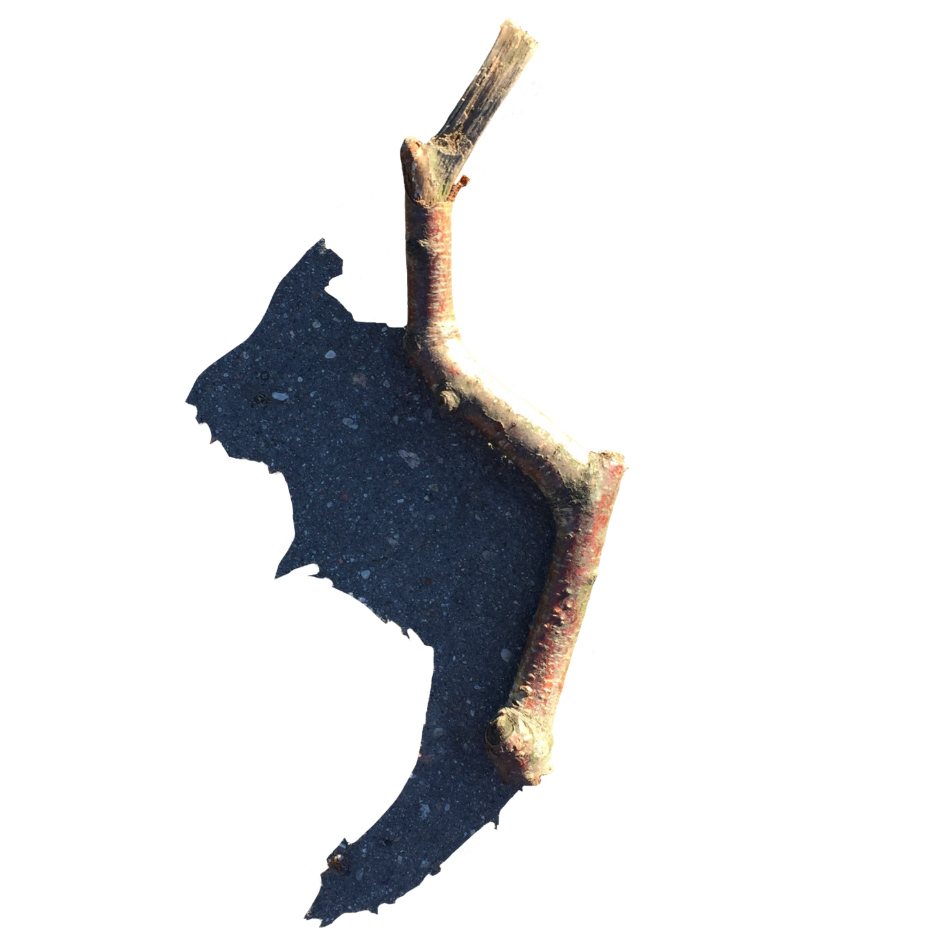
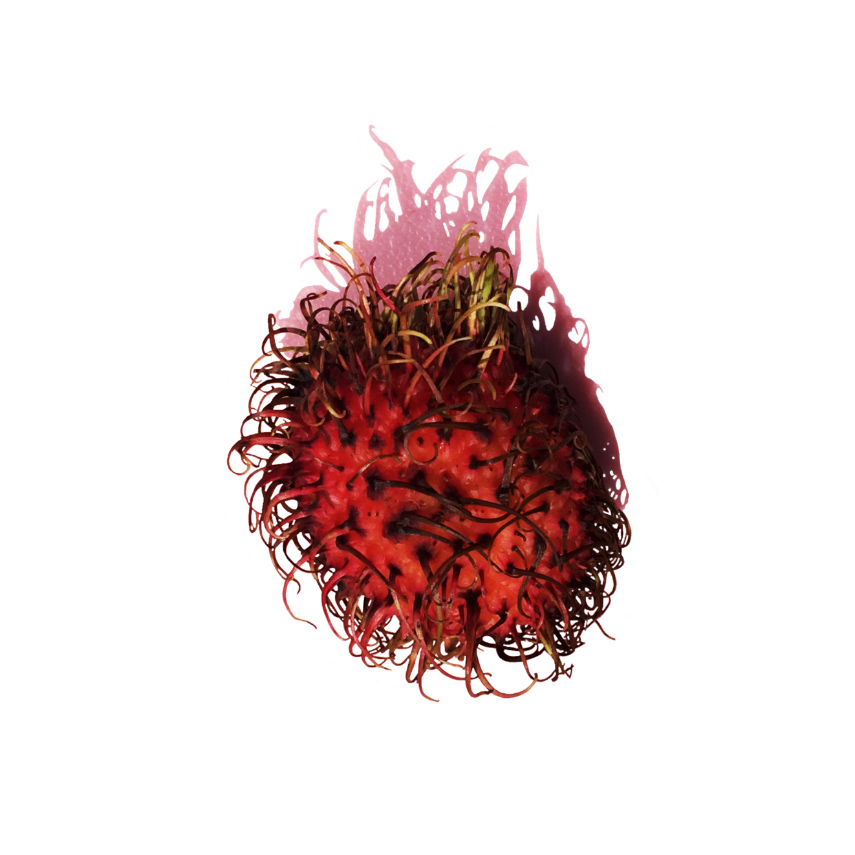
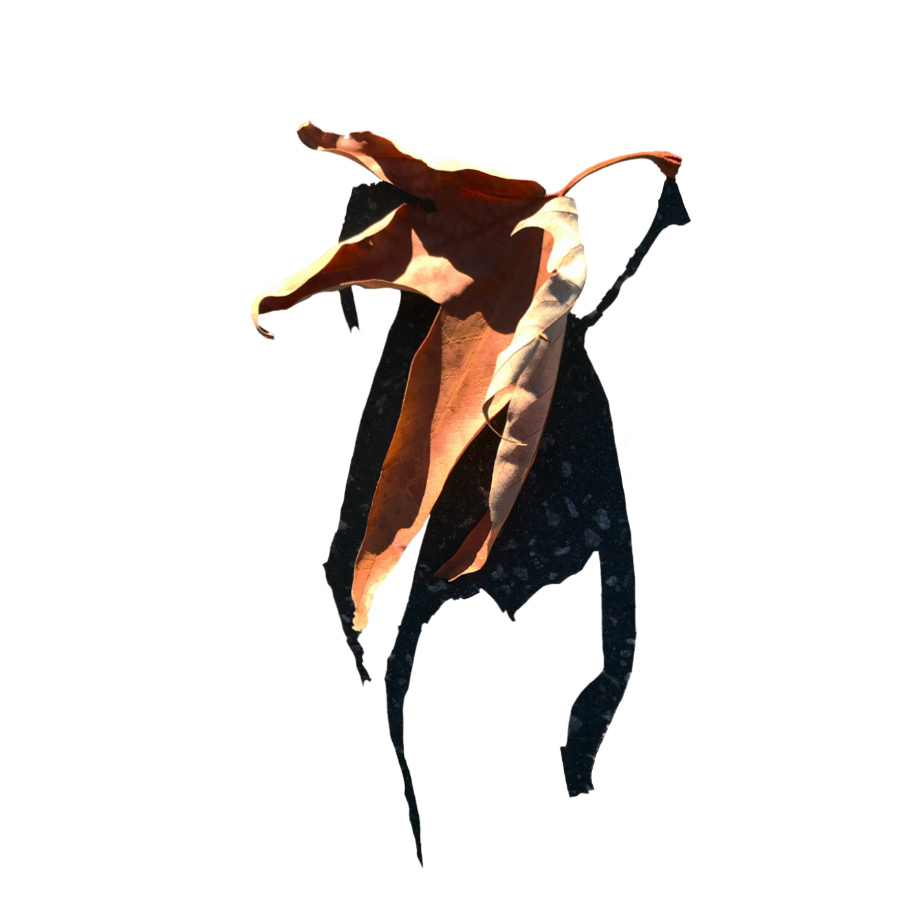
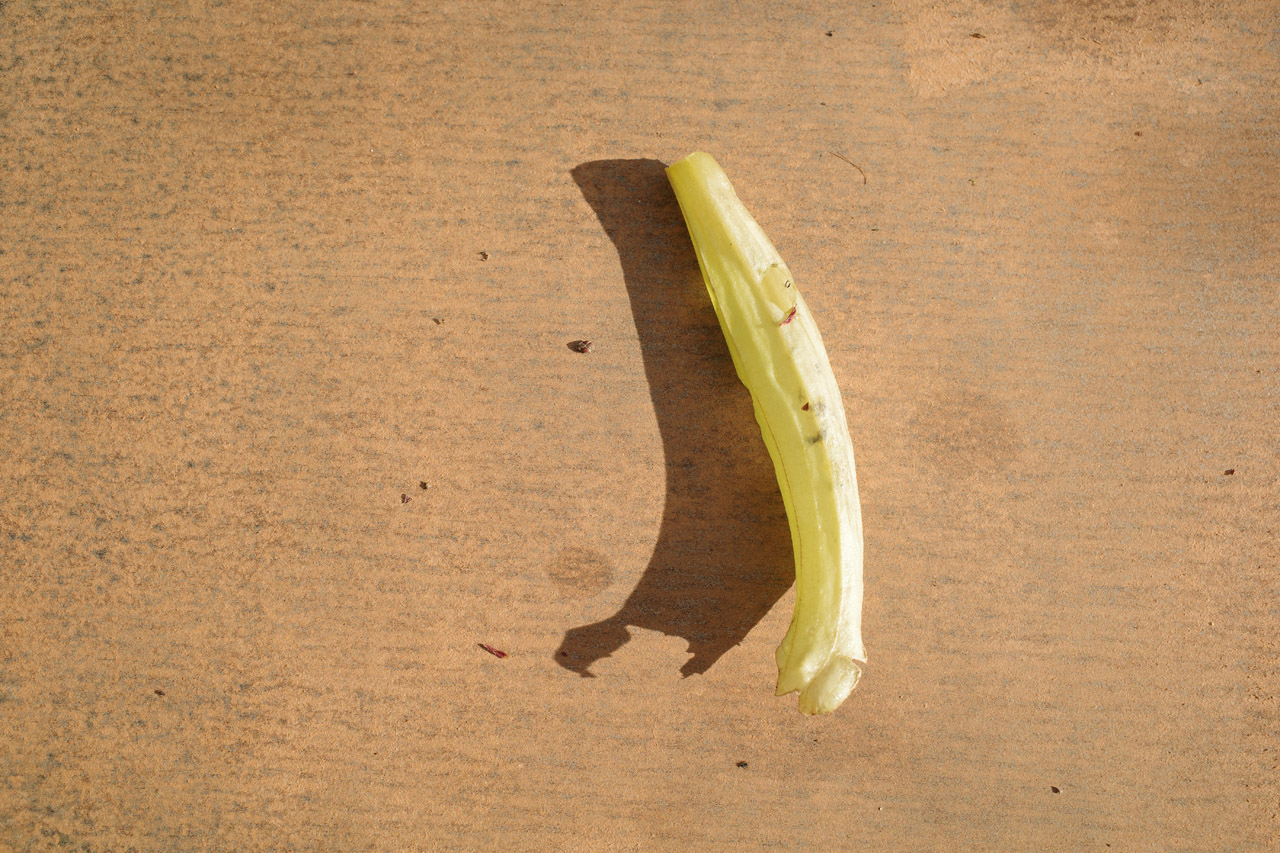
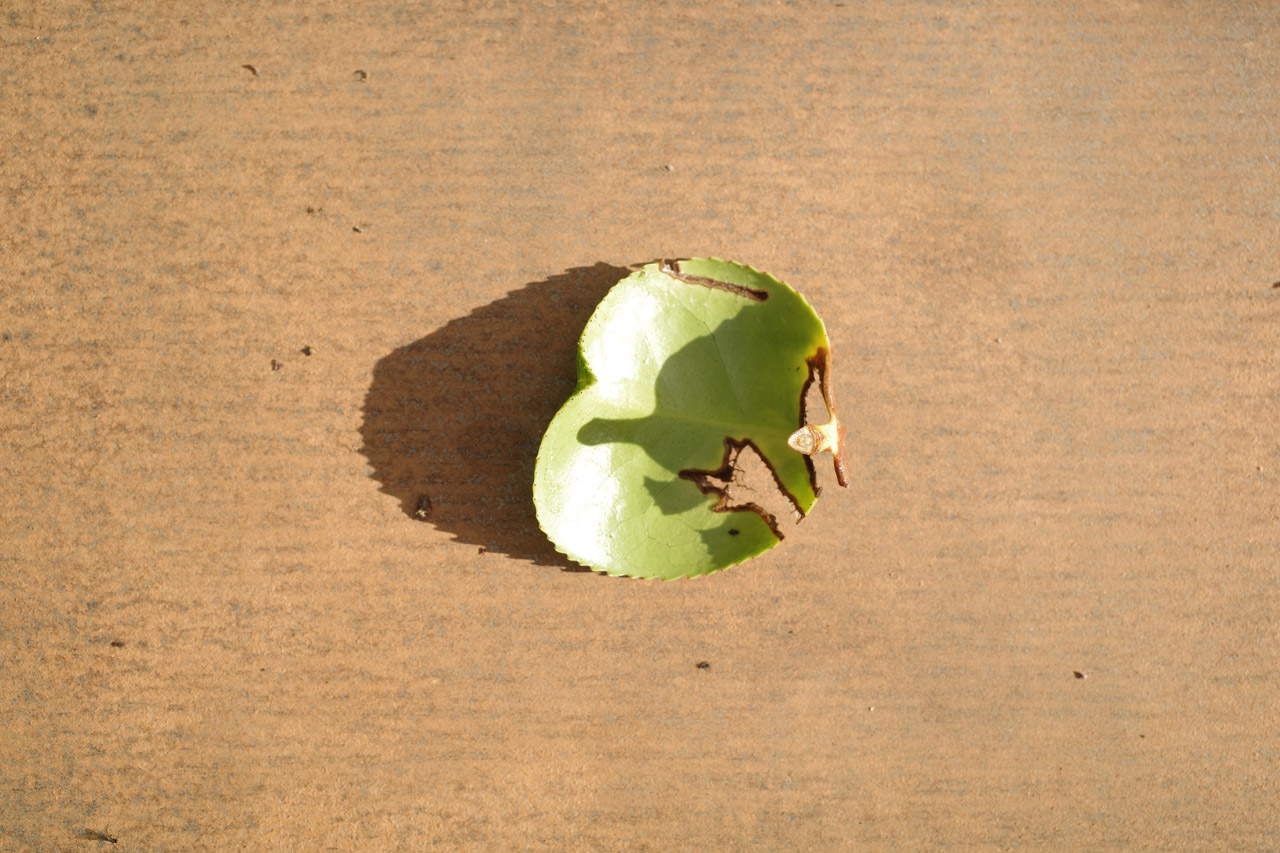
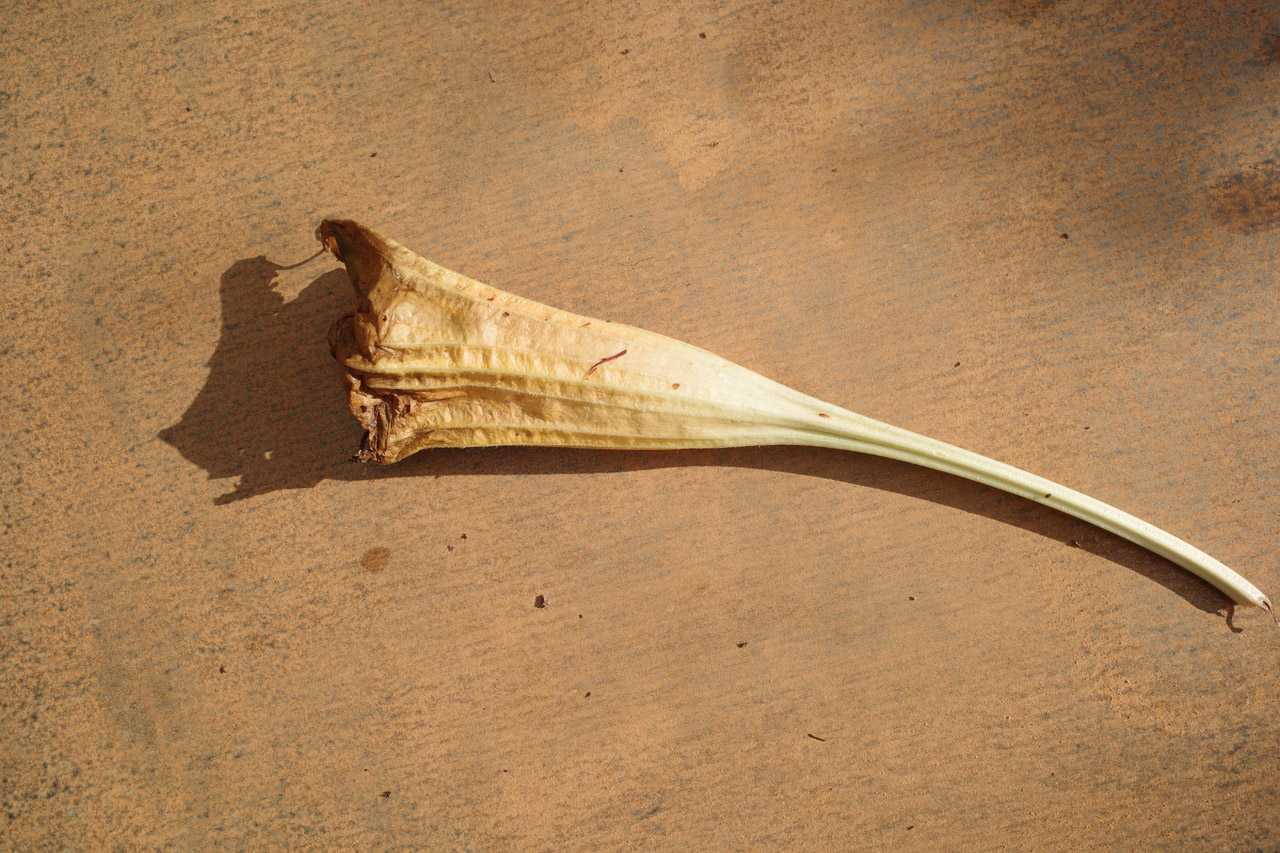
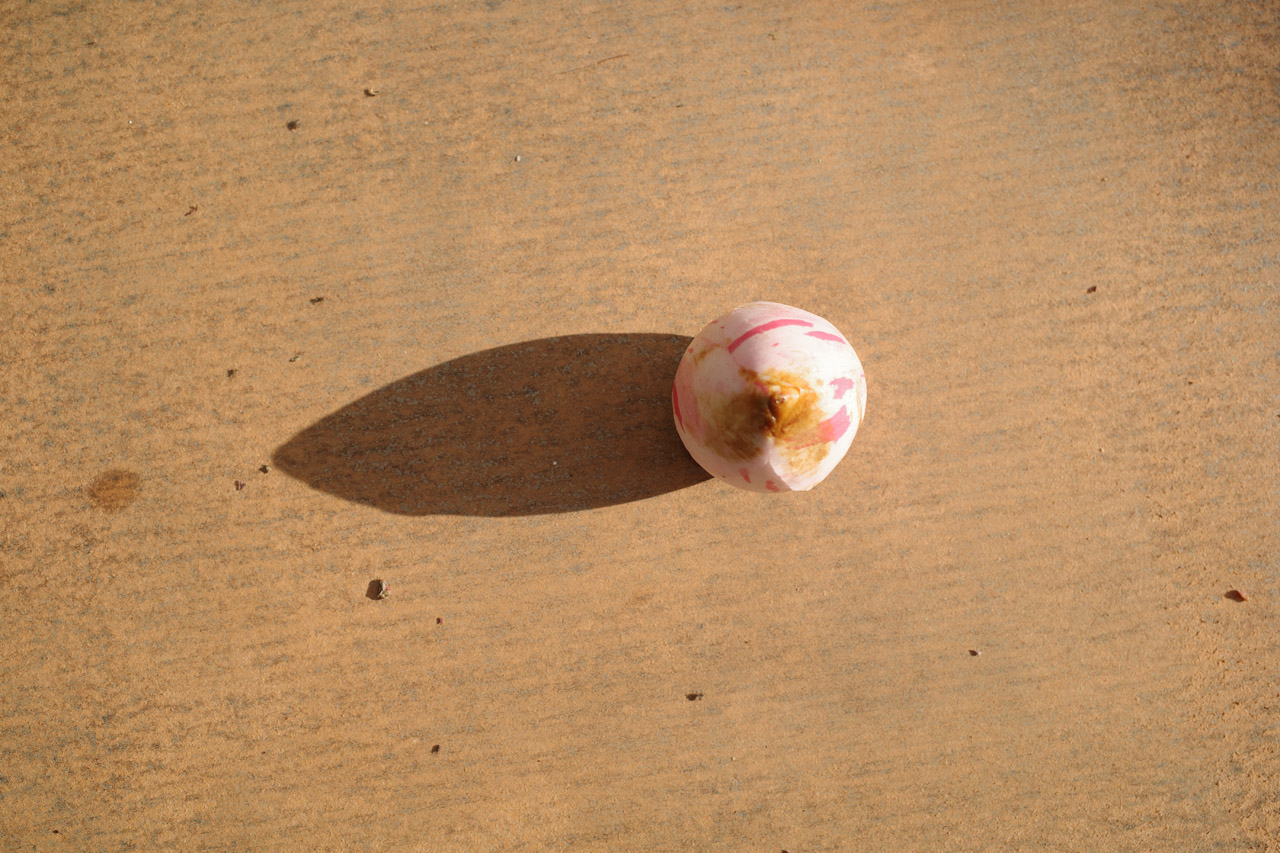
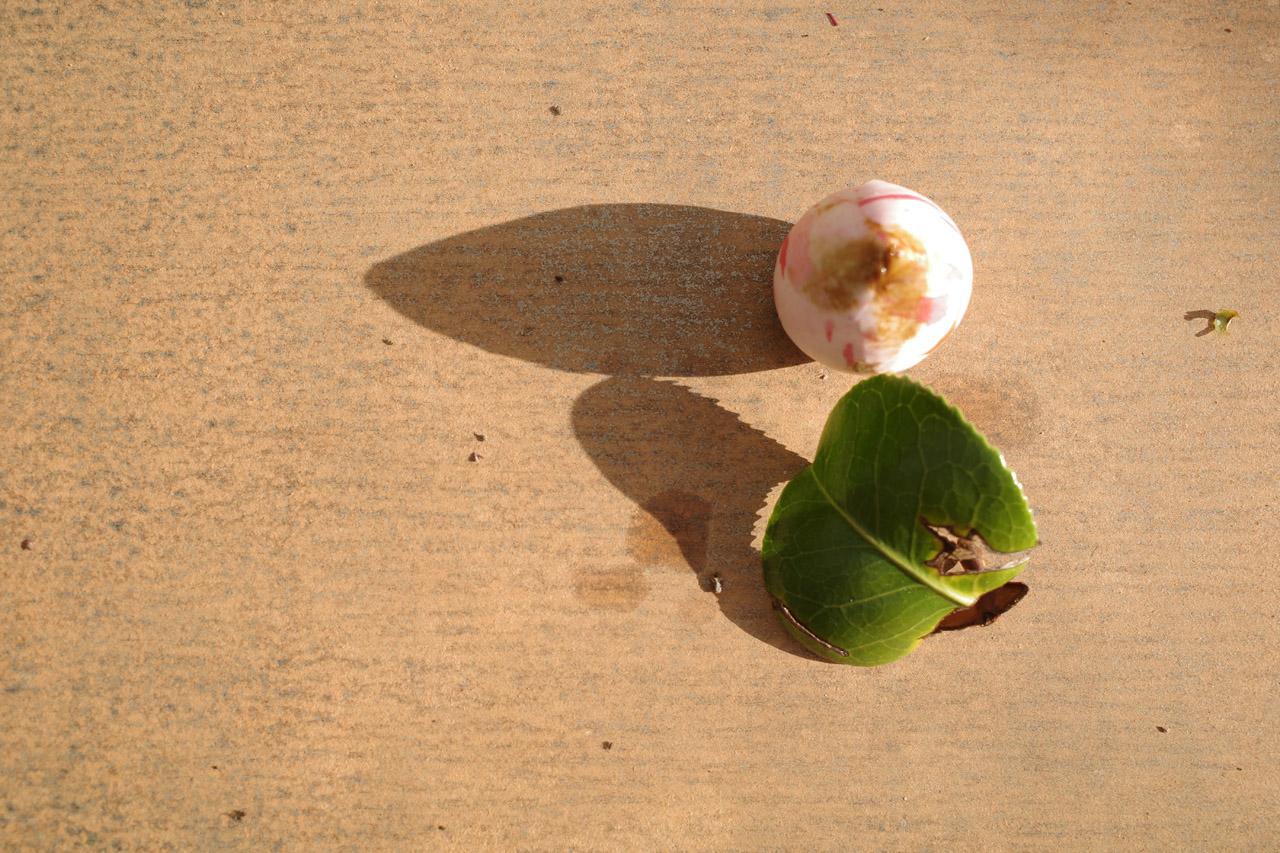
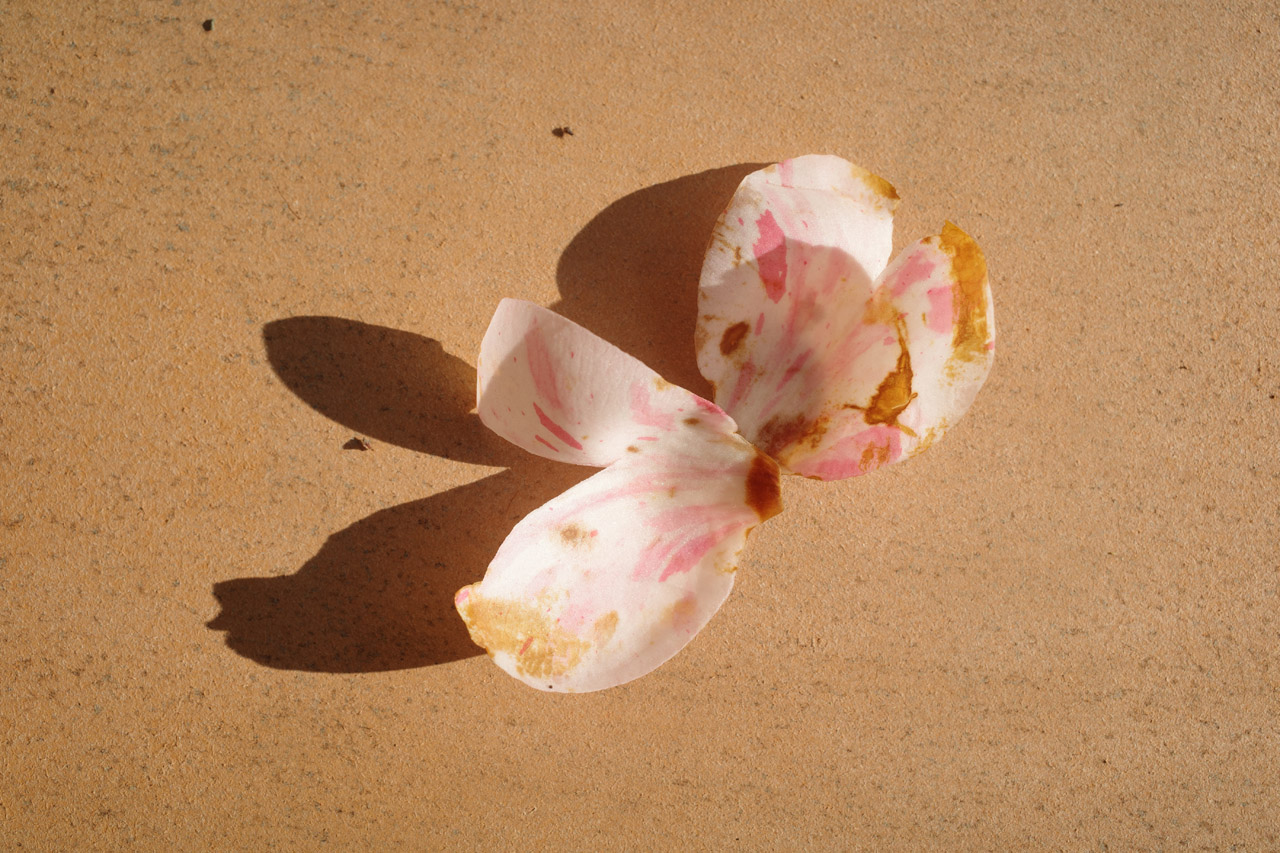
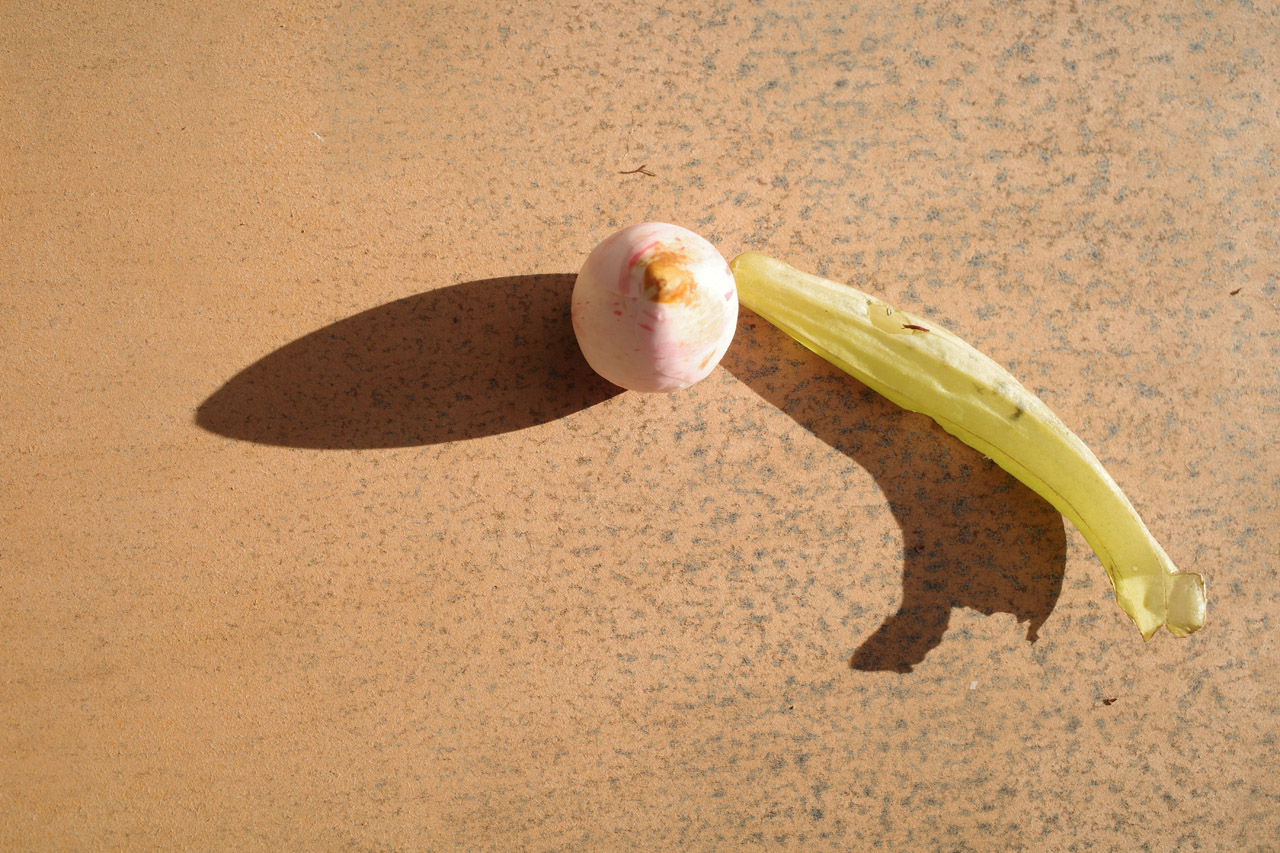
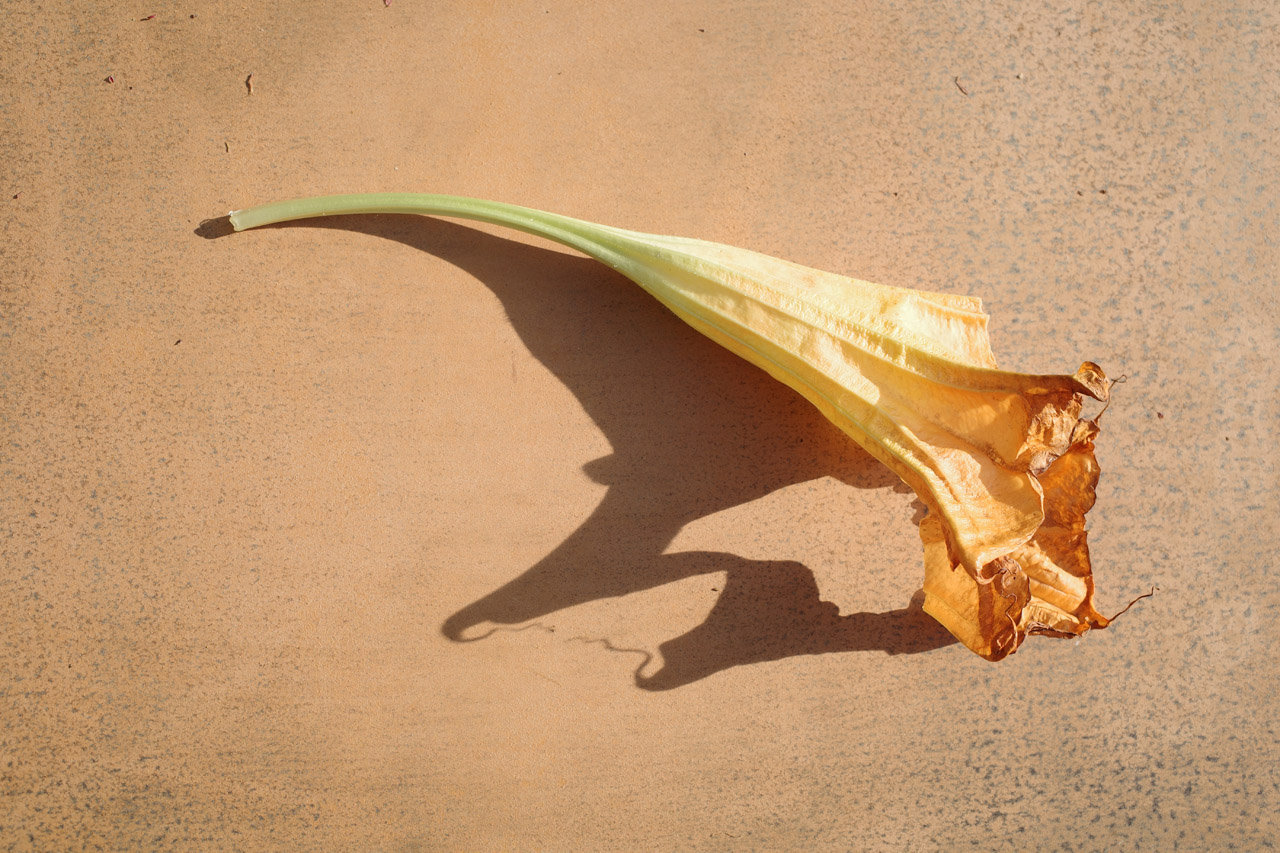
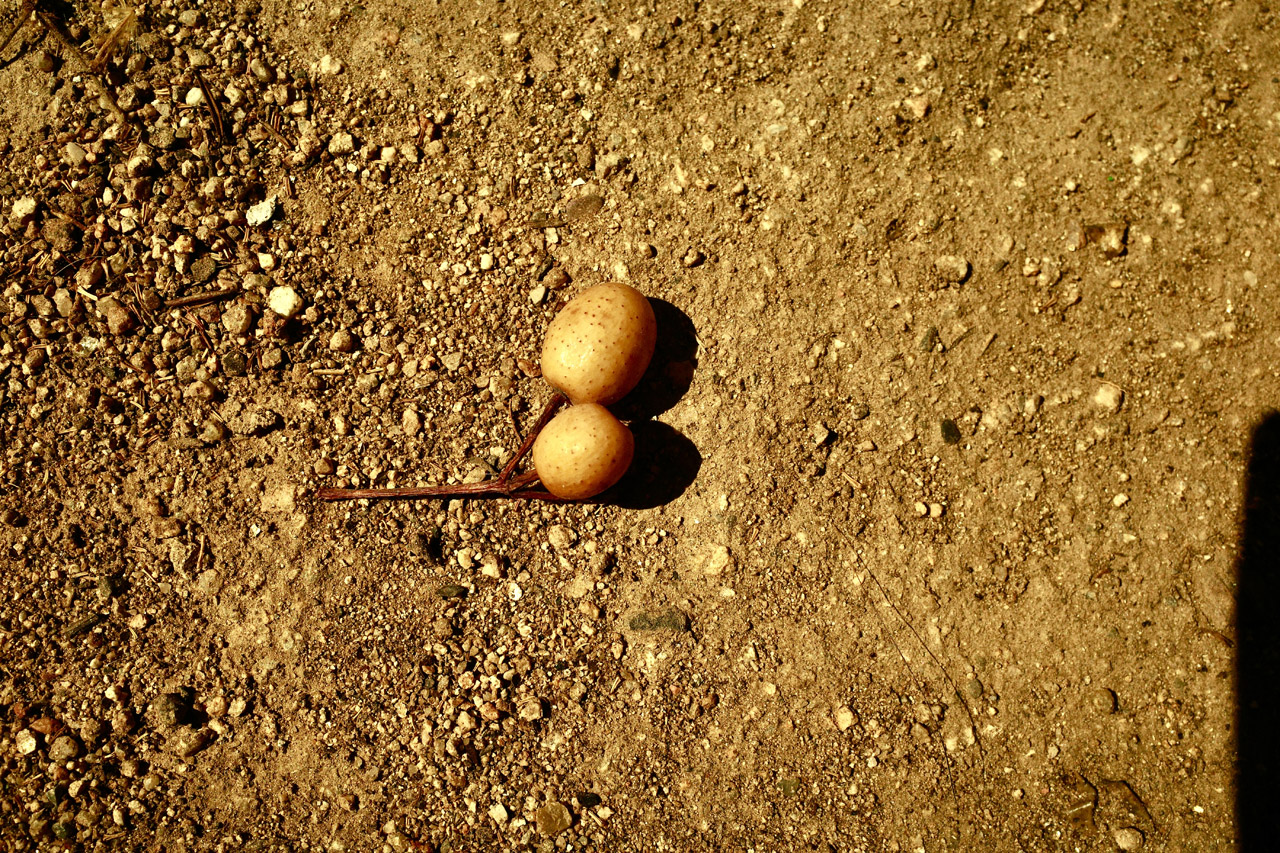
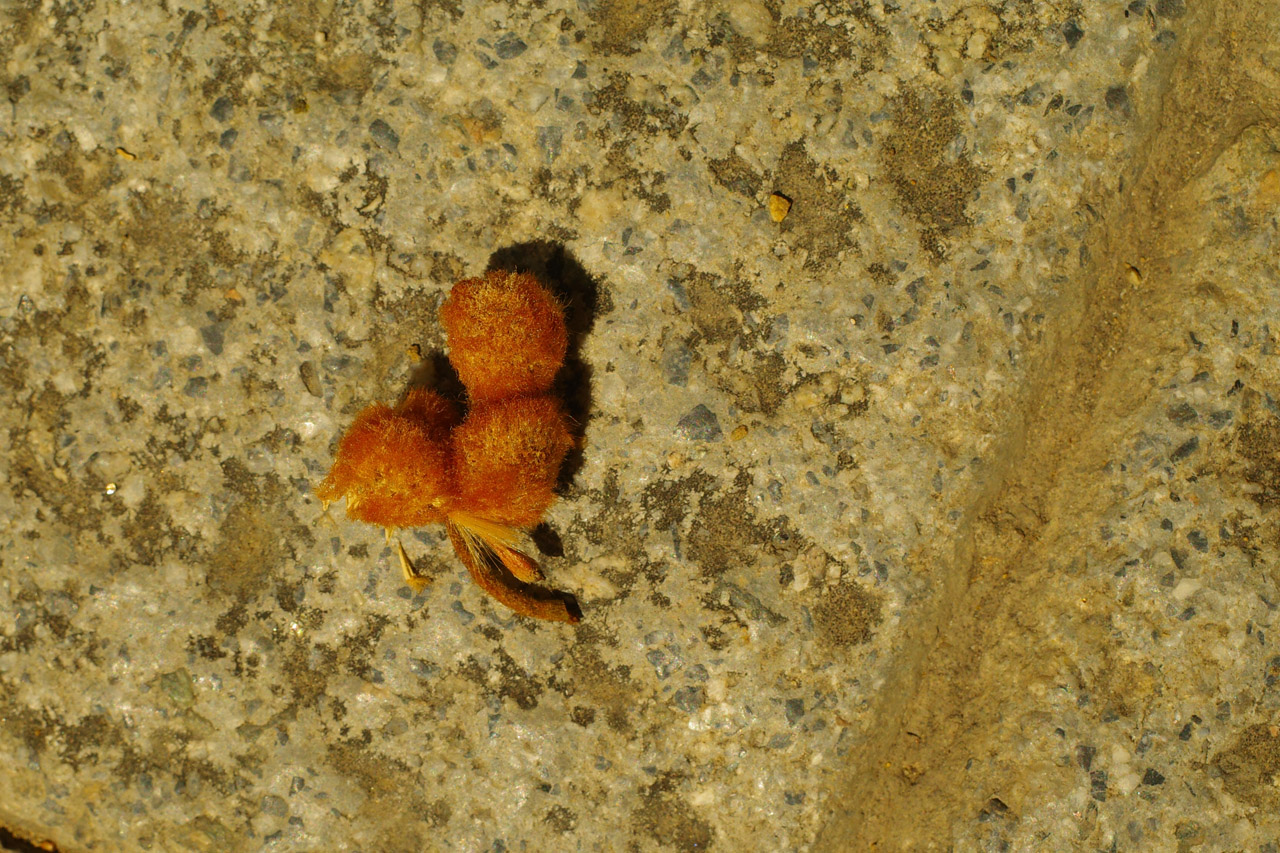
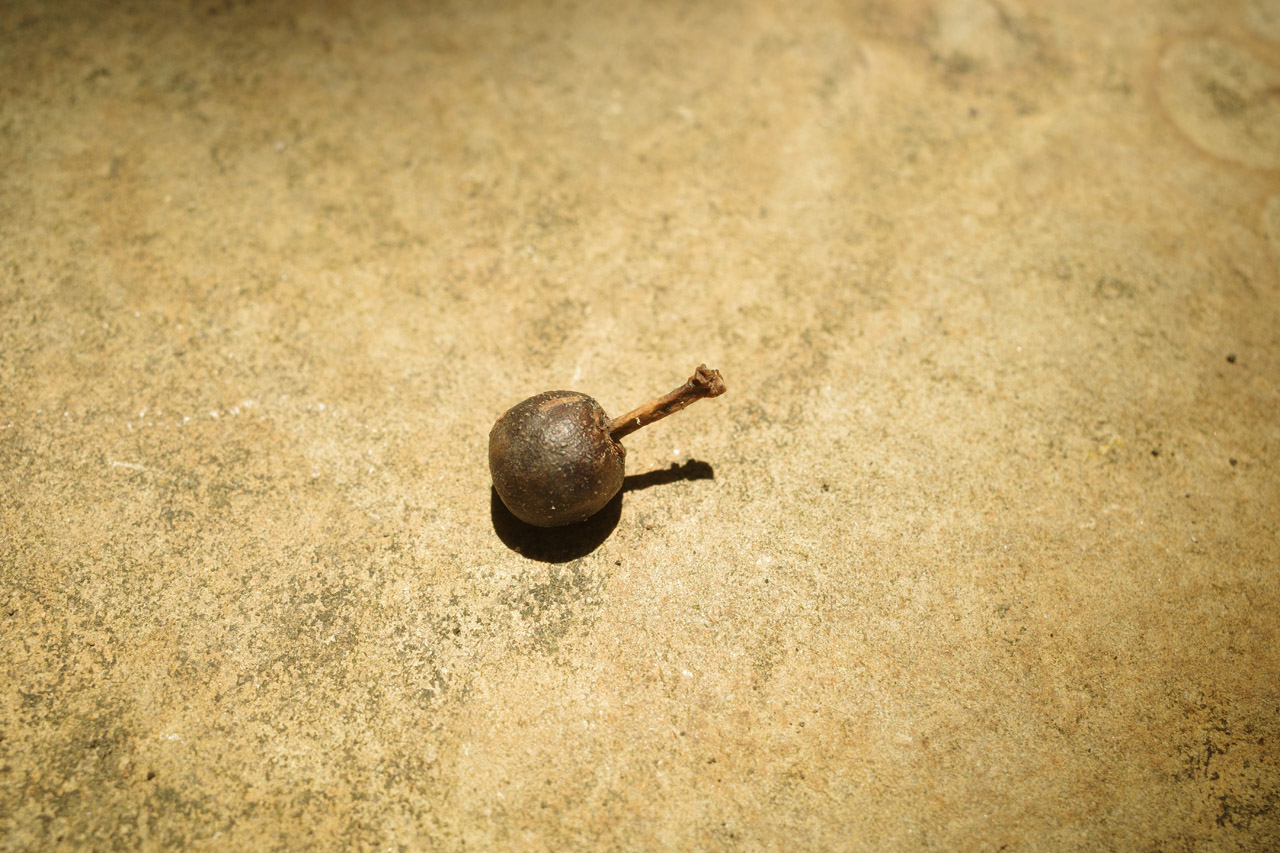
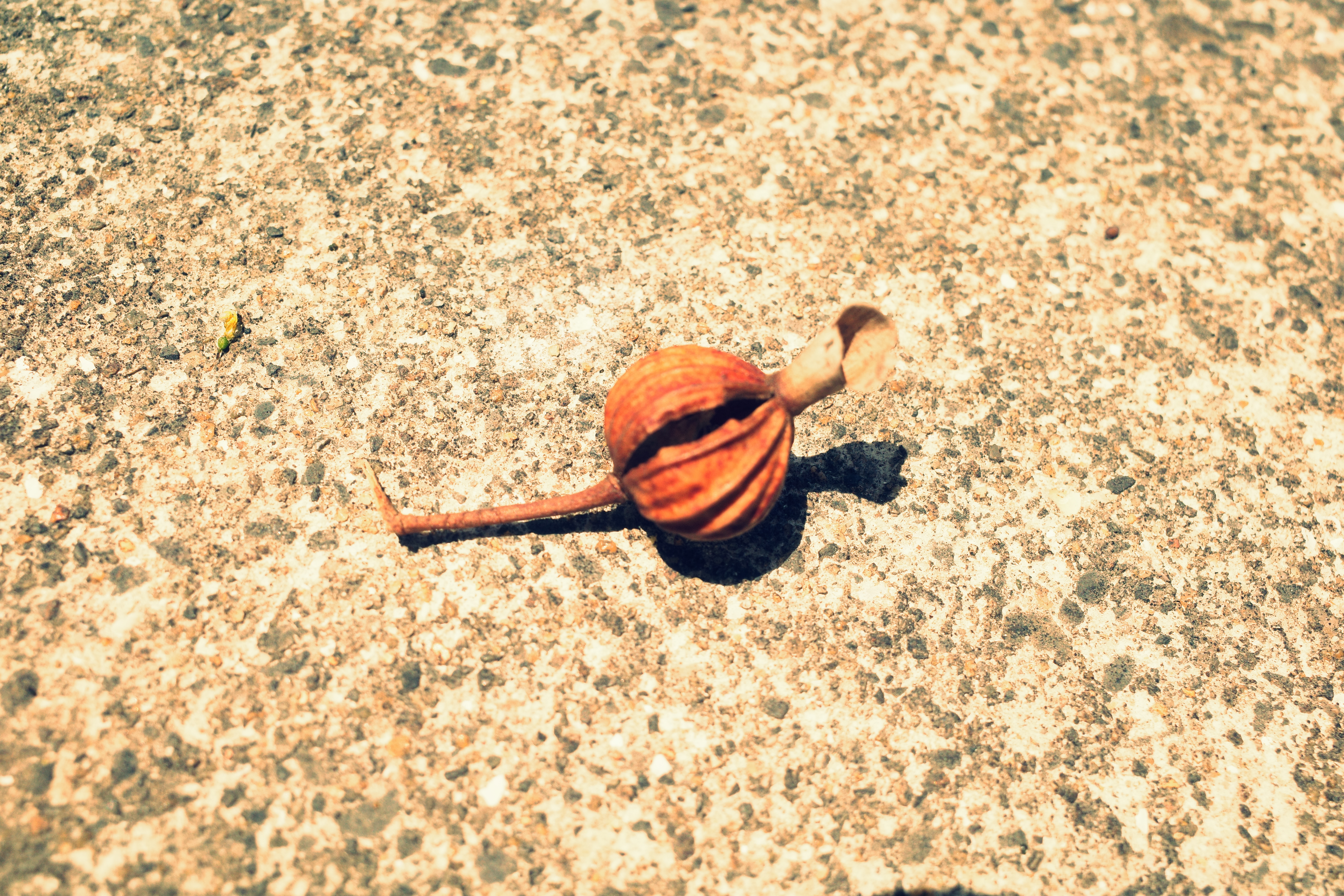
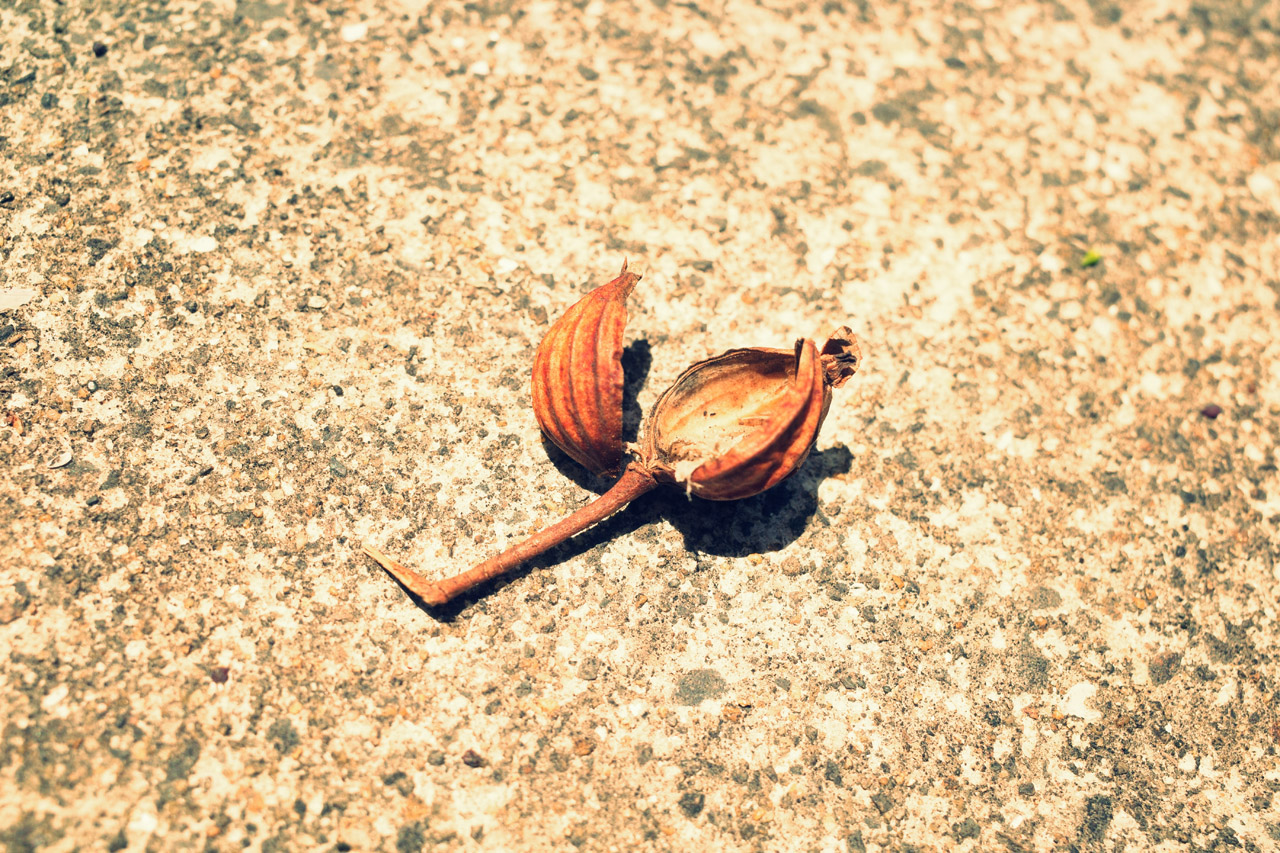
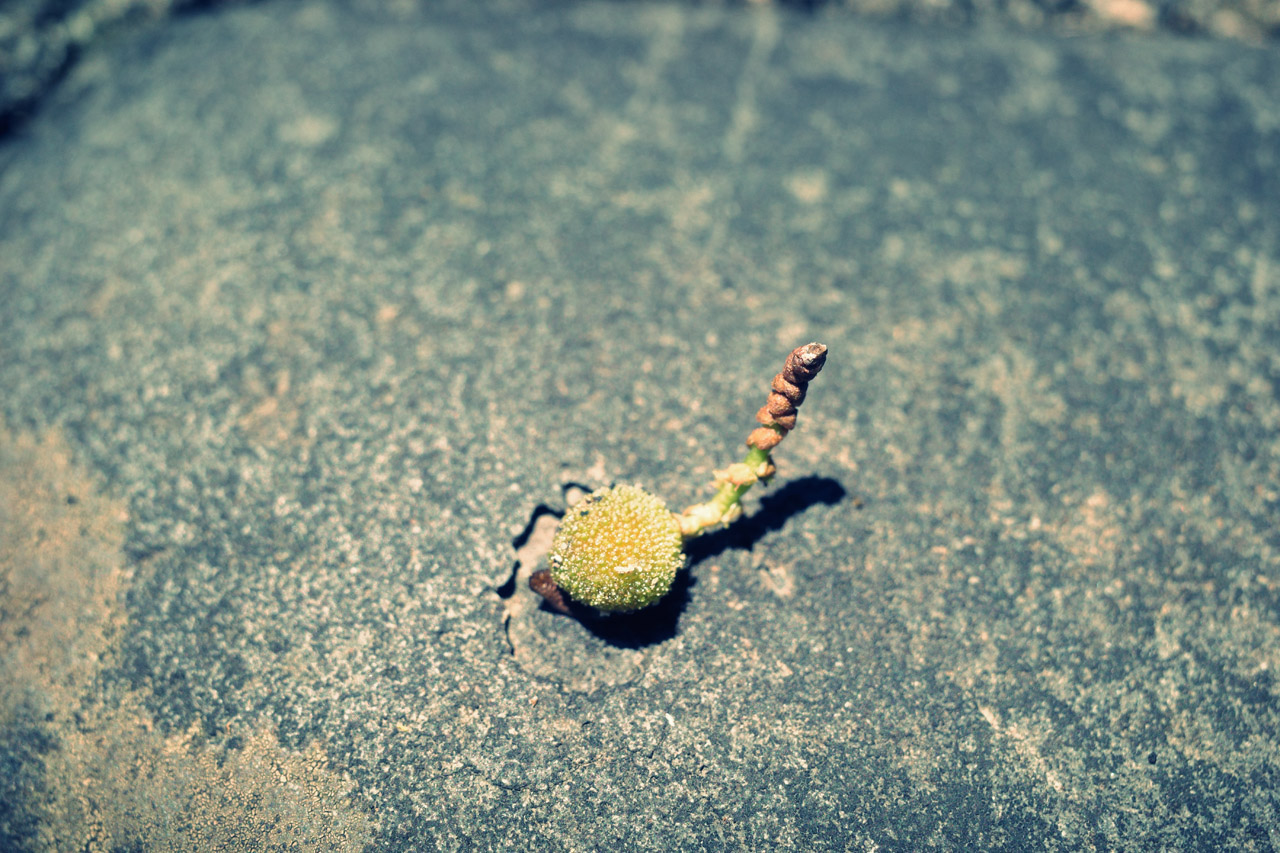
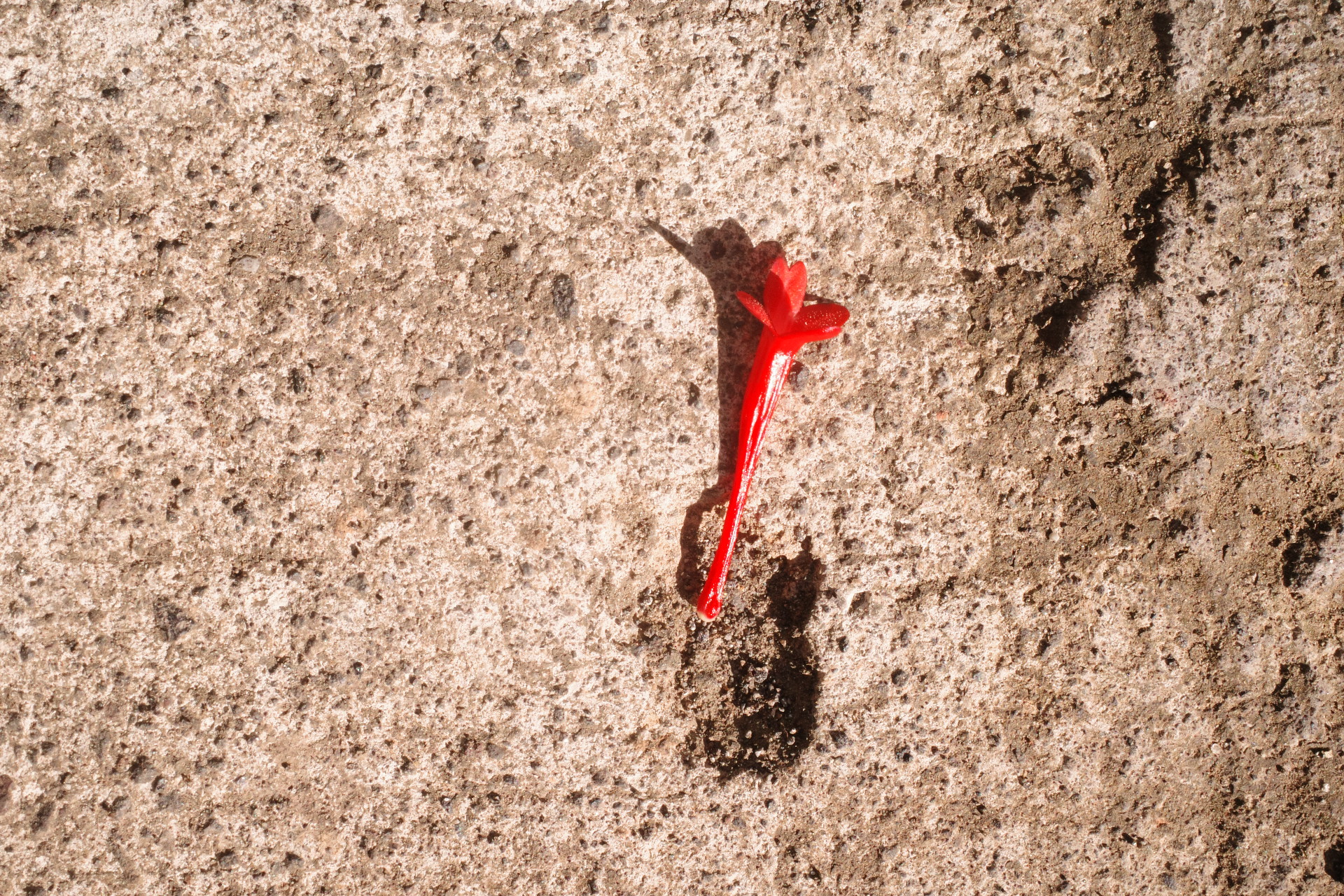
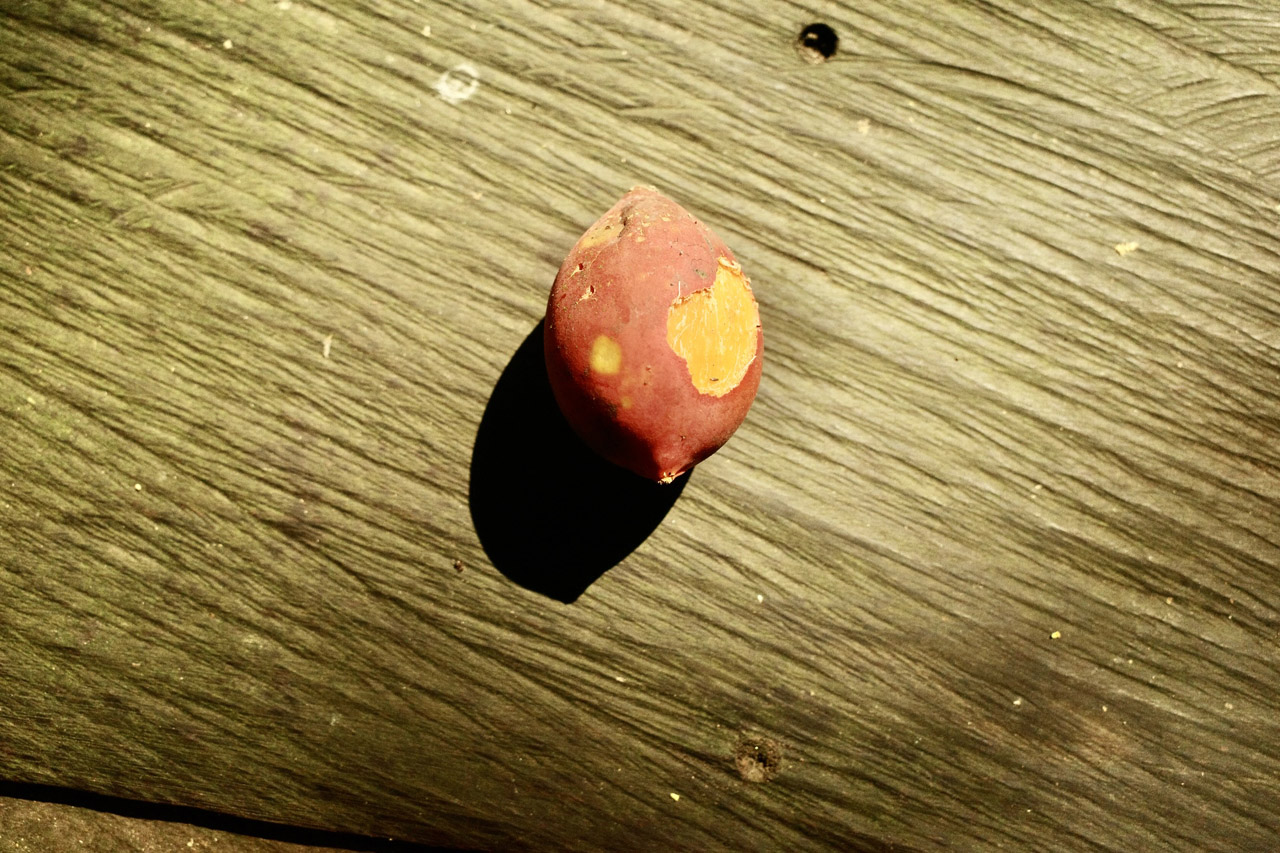
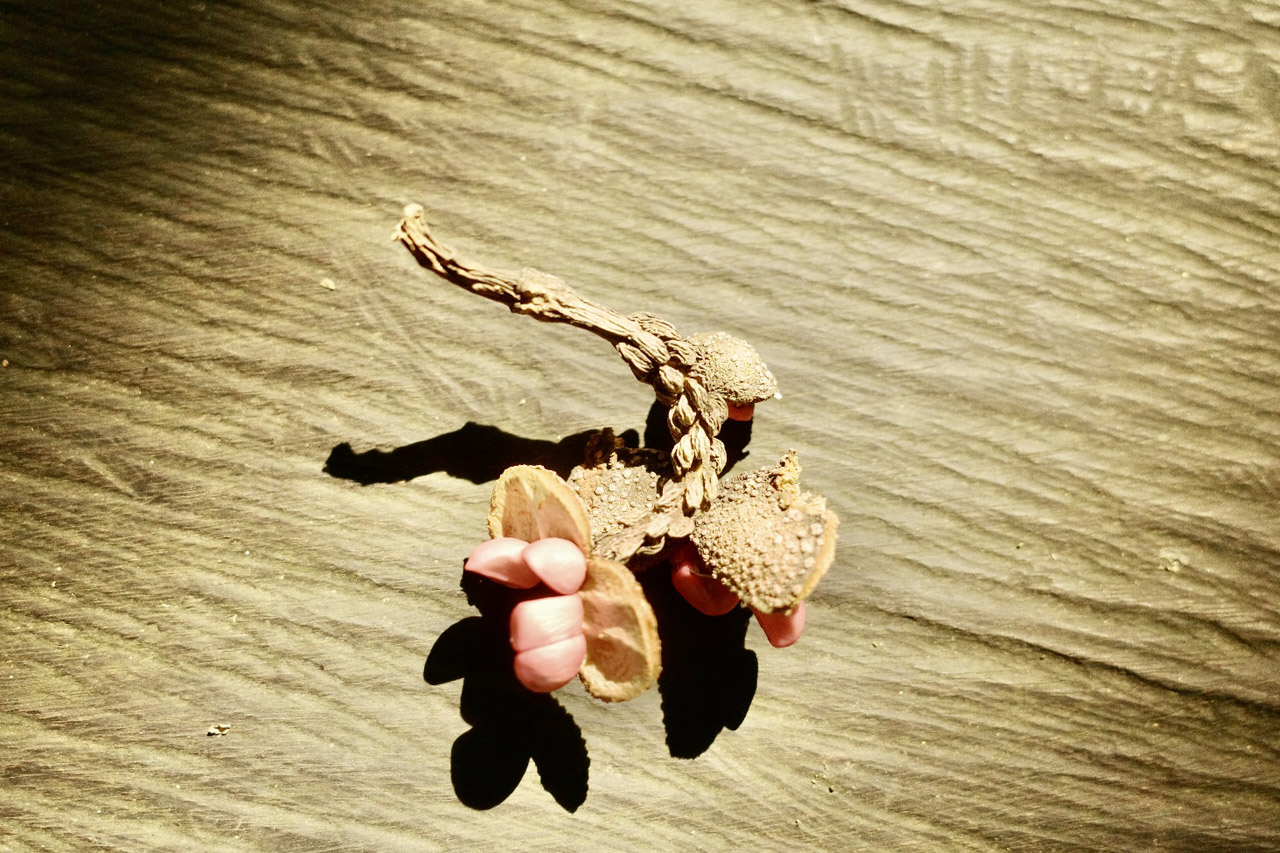
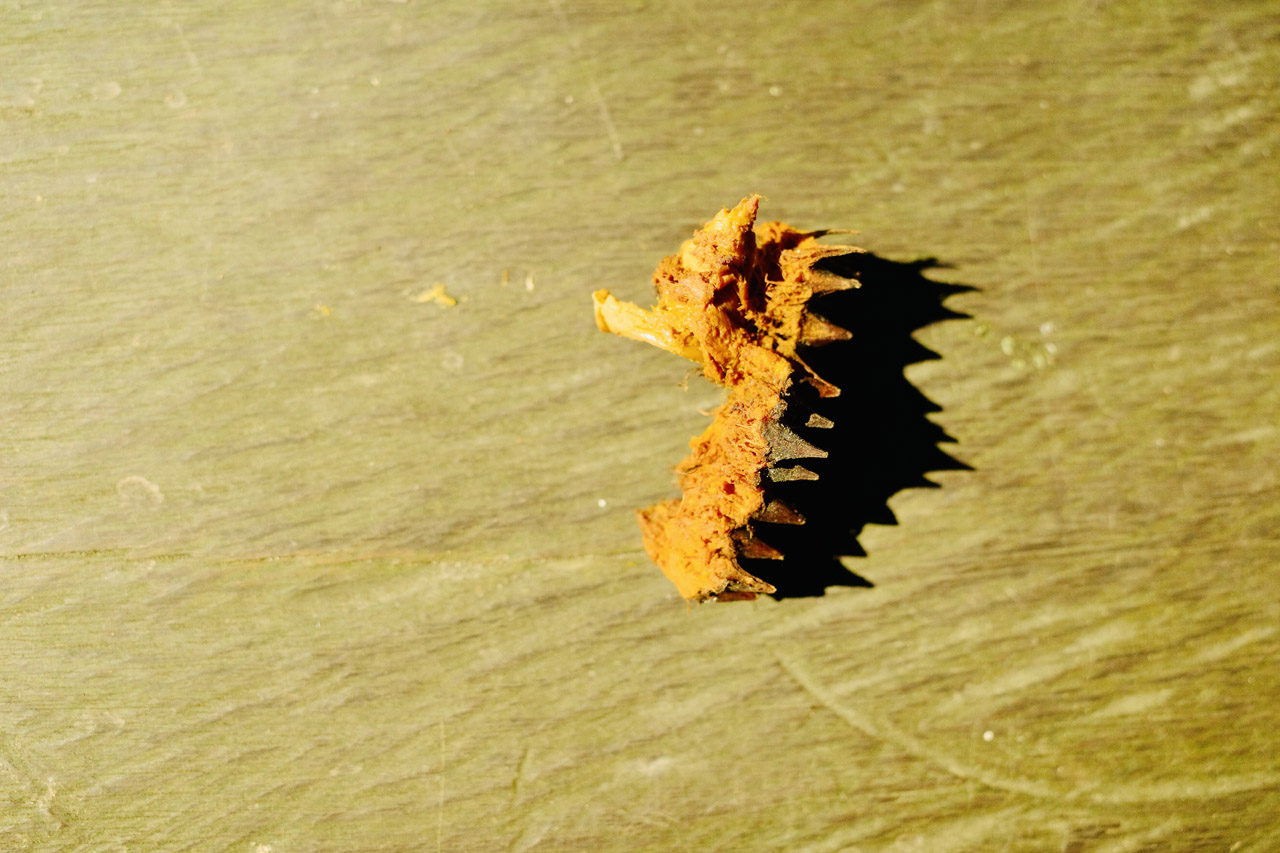
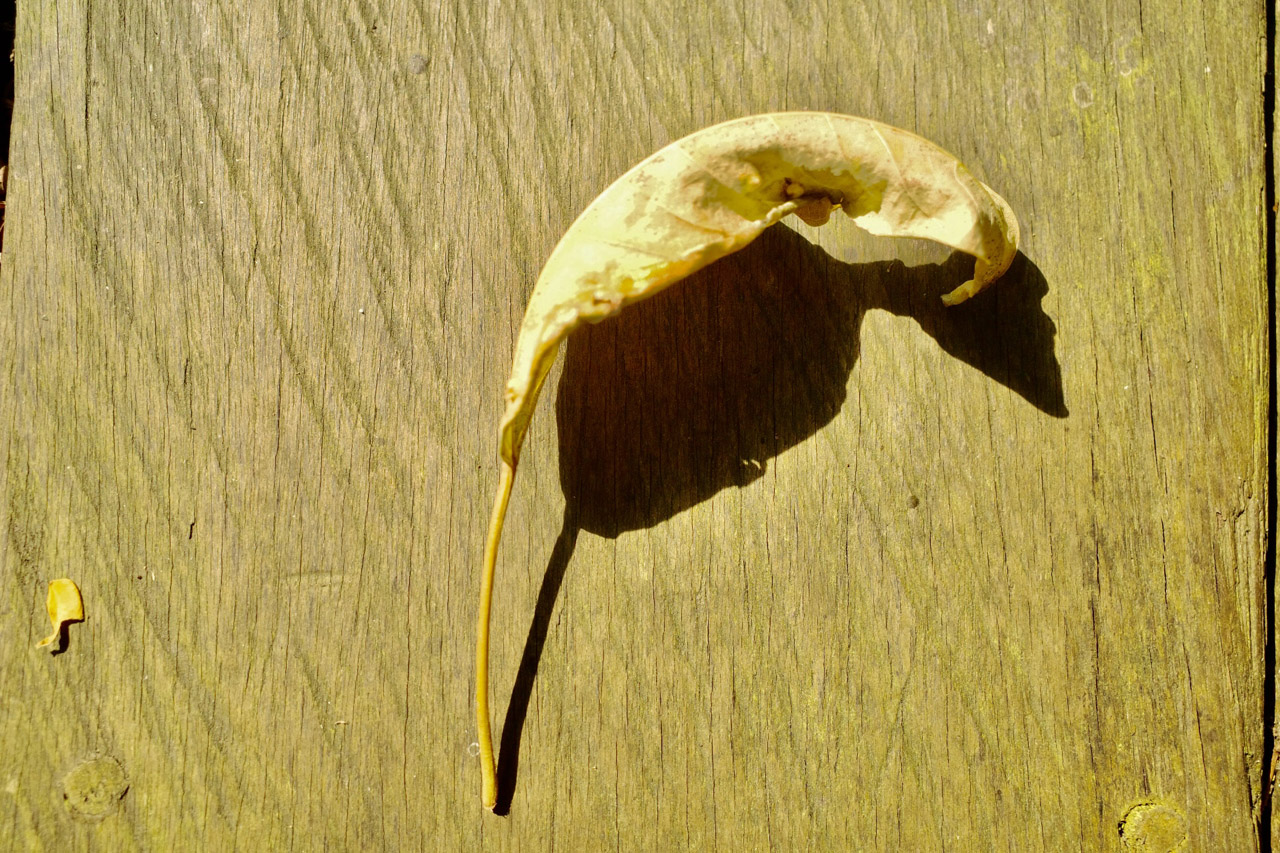
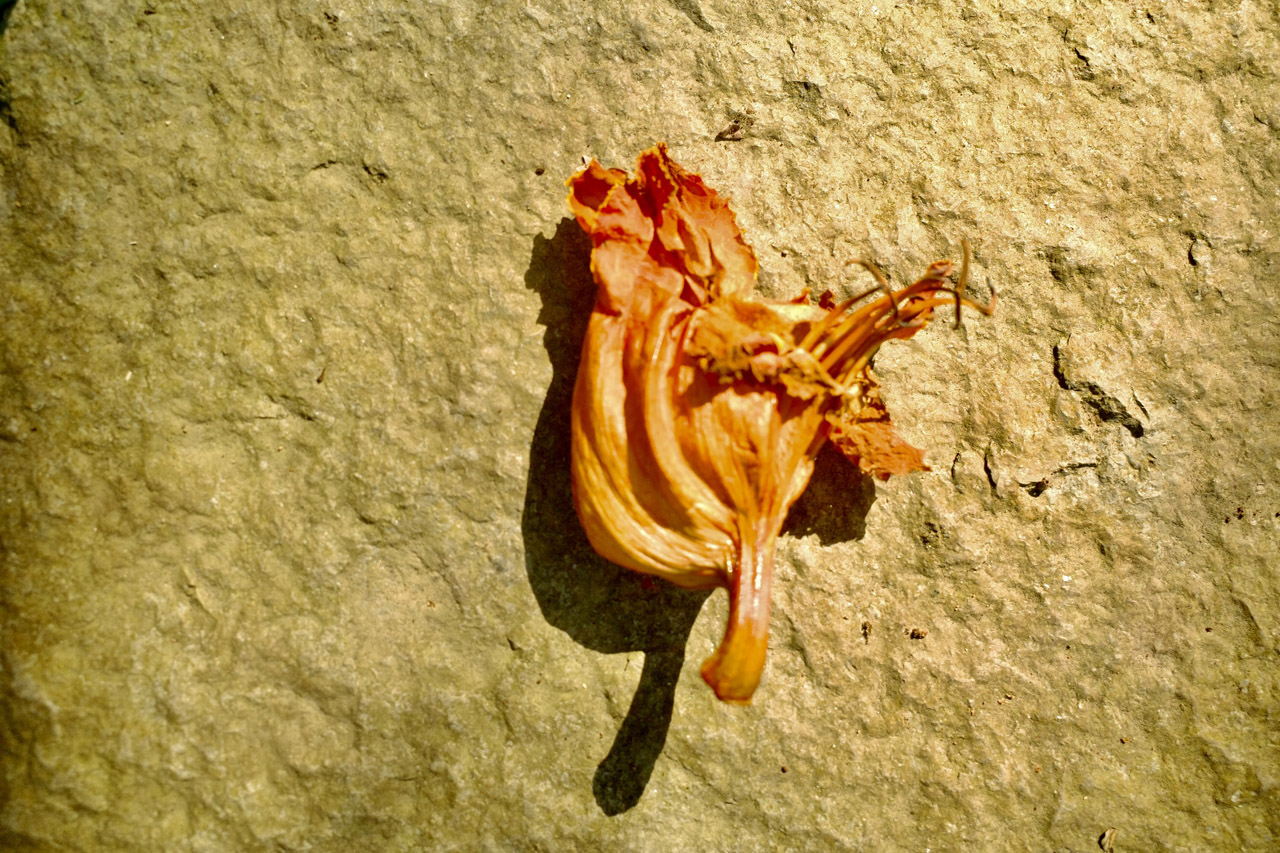
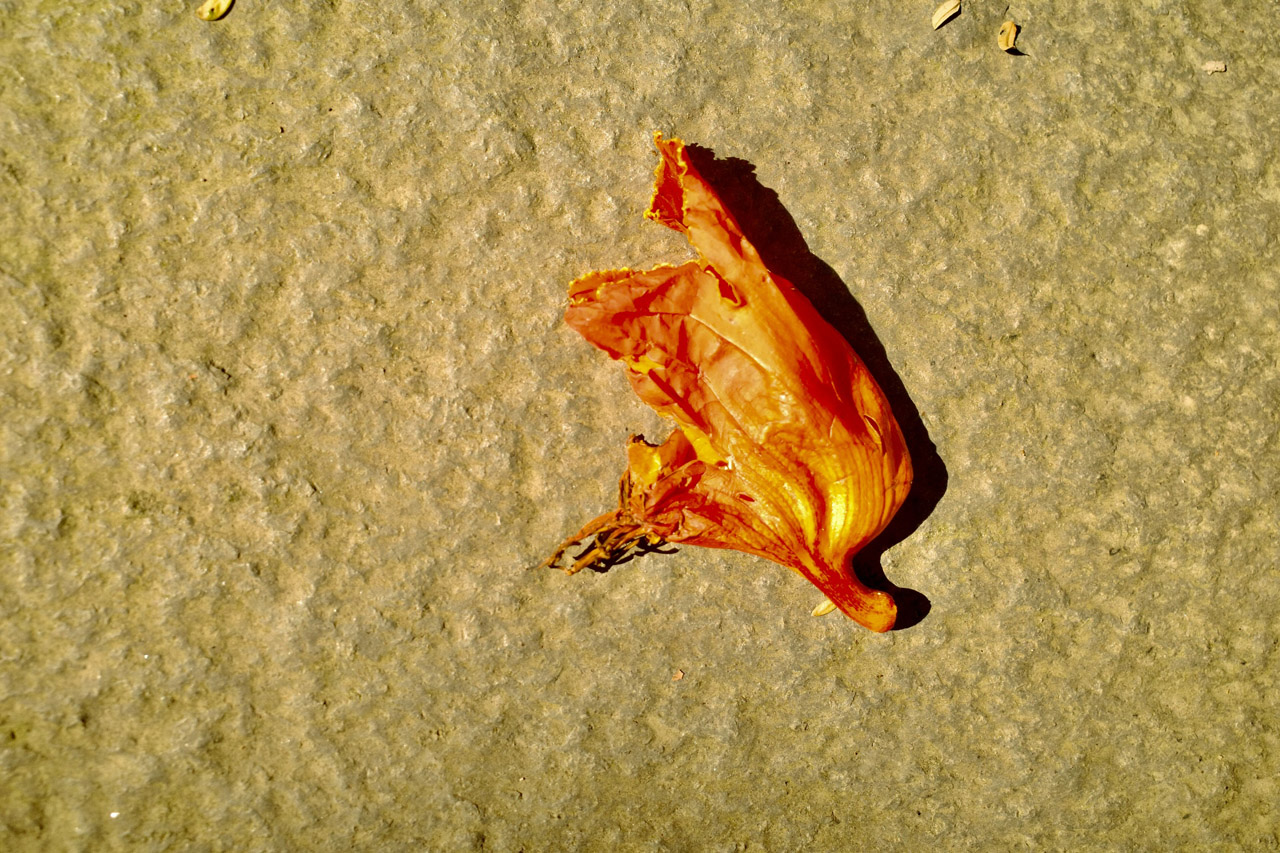
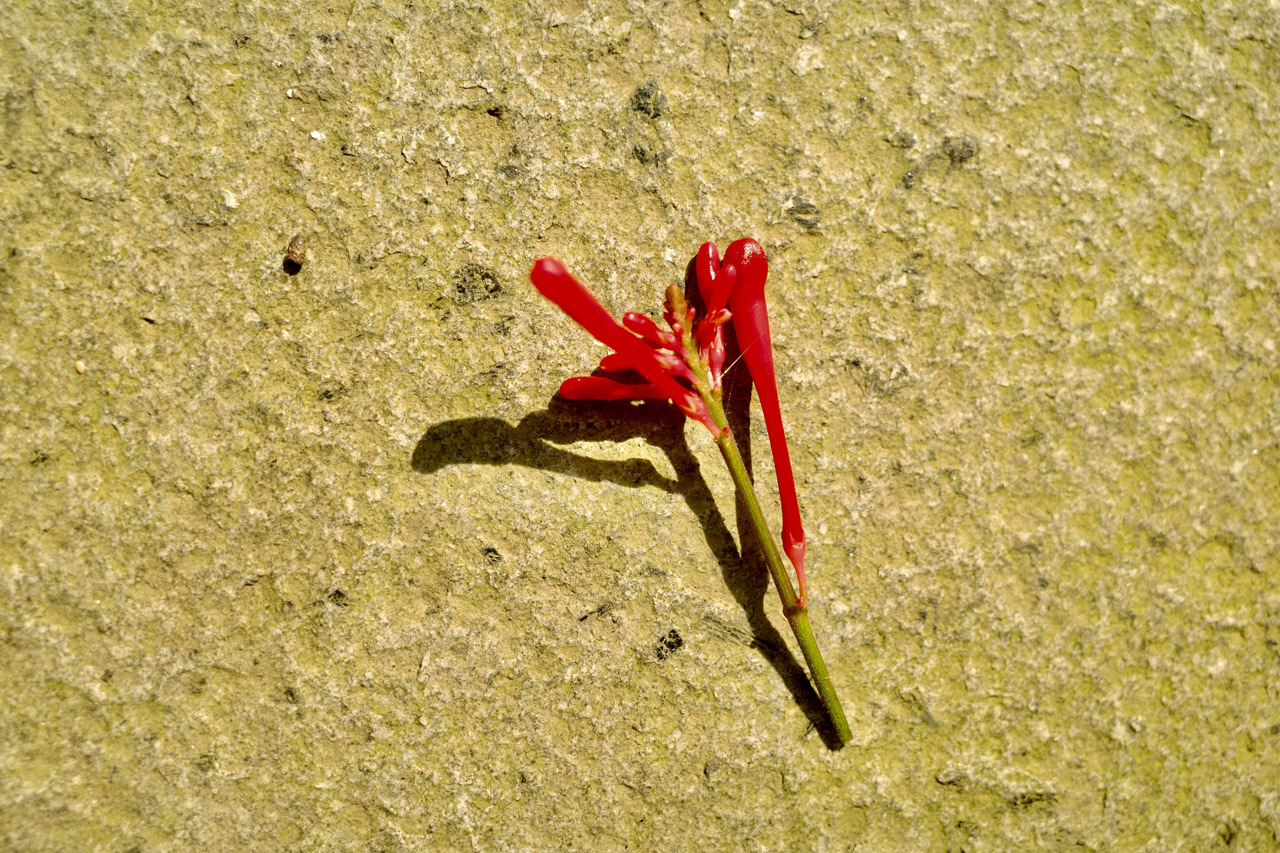
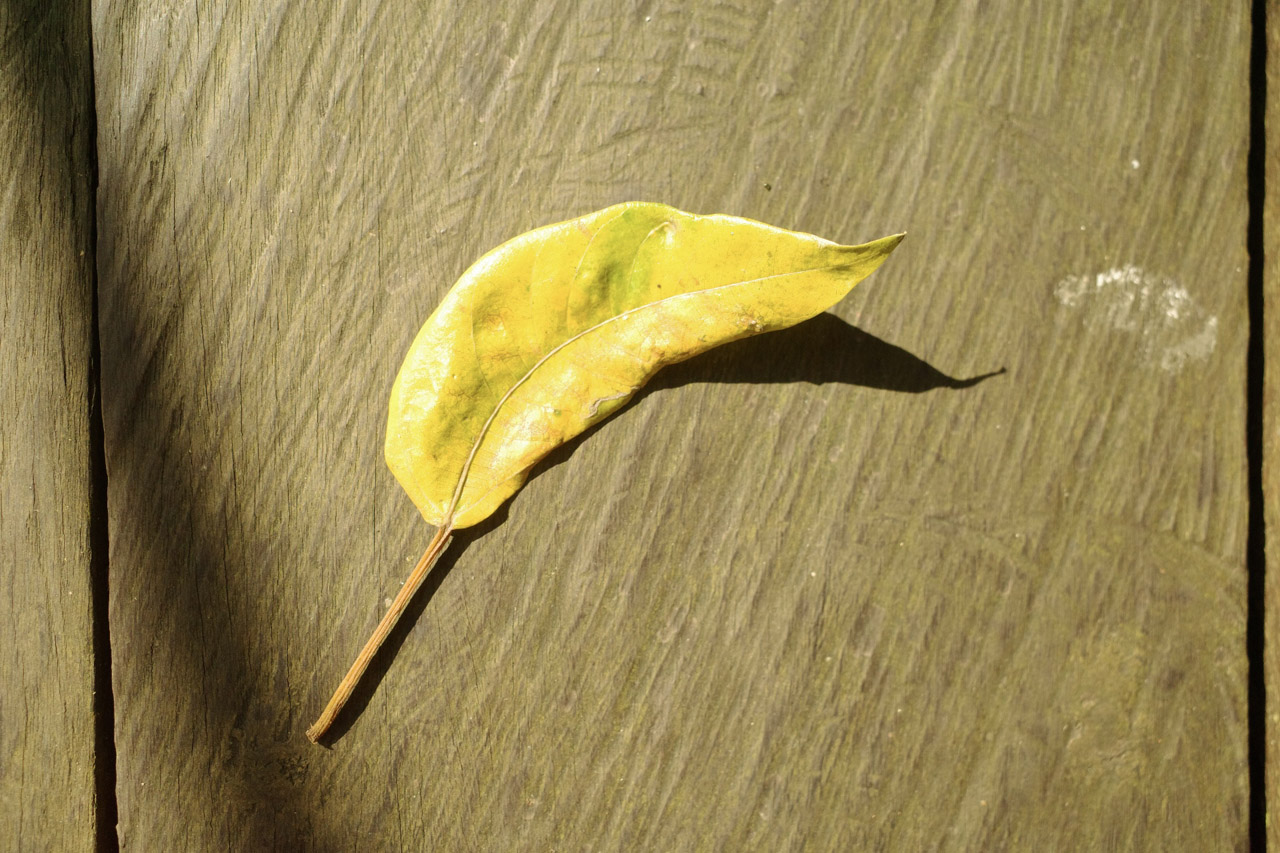
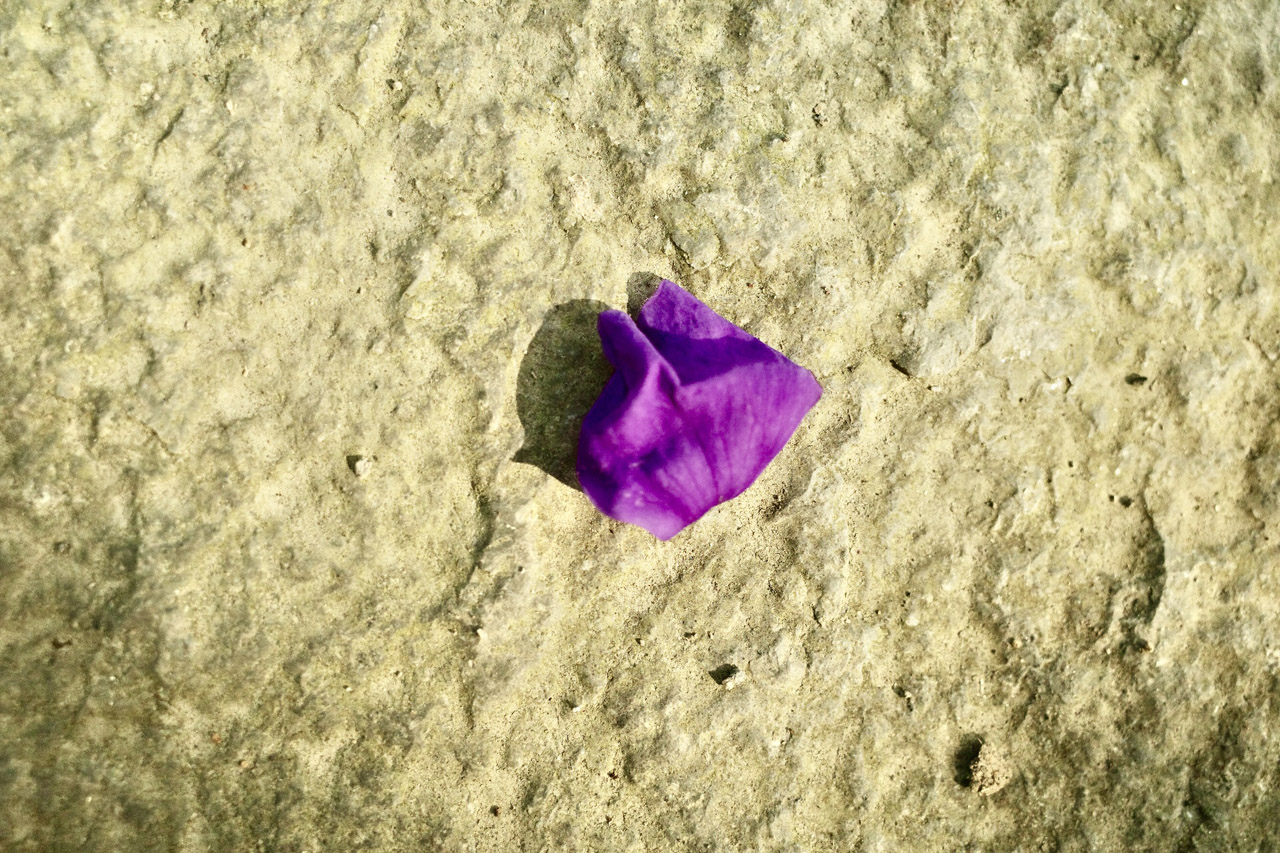
Below is a collection of materials (particles) created by Laura Belevica.
There are five issues available, from Issue 01 to Issue 05 (as of March 2026).
Issue 01 is available for download here.
Contact
For requests regarding Issues 02-05 or other special inquiries, please contact us:
Laura Belevica: laurabelevica@gmail.com
Part 2: How to Use This Guide
There are truly many different ways to enjoy CONNECTEDkind, but here we present one typical method that has been tried in Japan.

Take a Walk
- Choose a sunny day if possible (when shadows are clearly visible).
- Bring a smartphone or camera.
- Visit a nearby park, schoolyard, or any place where nature can be felt.
If going outdoors is not possible because of weather, etc., you may select an image from our materials collection and proceed to Step 4.

Photograph Nature and Its Shadow
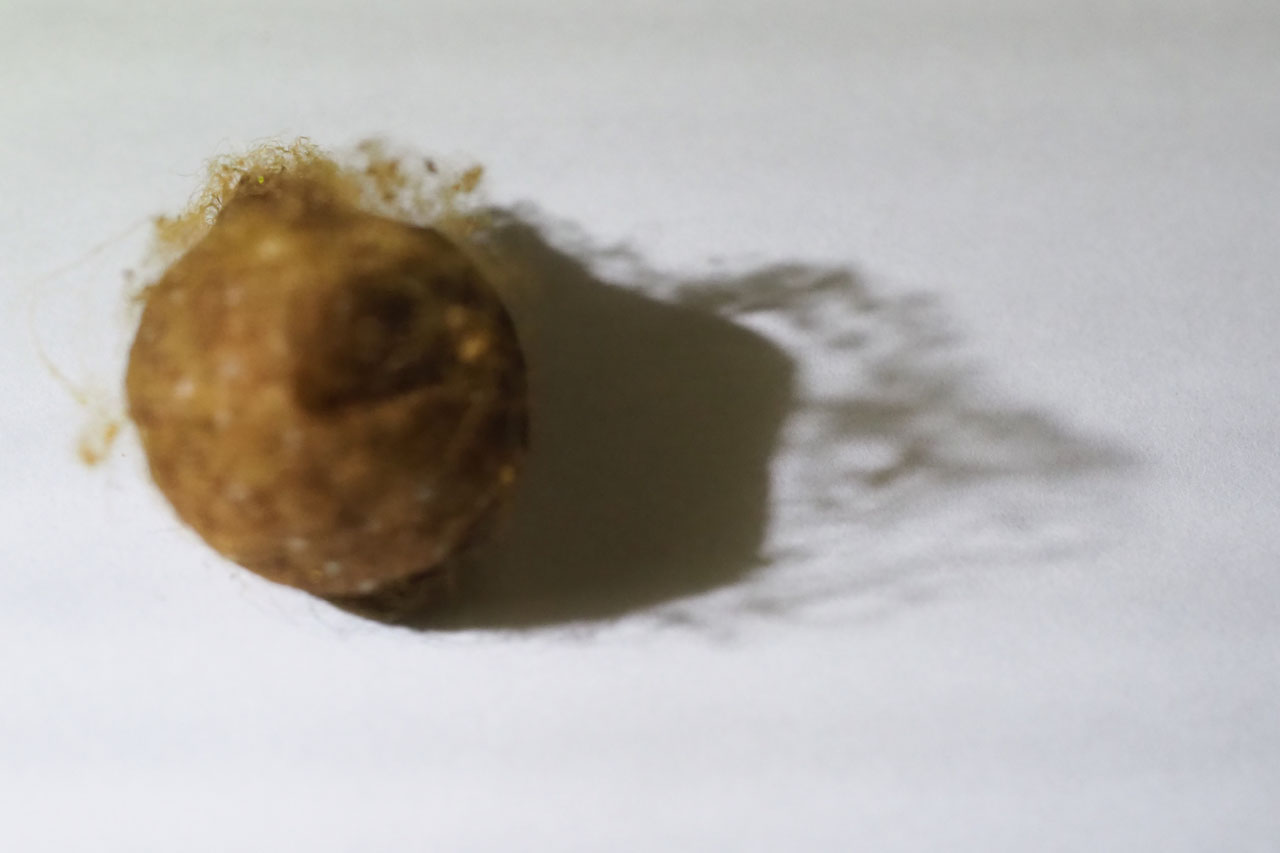
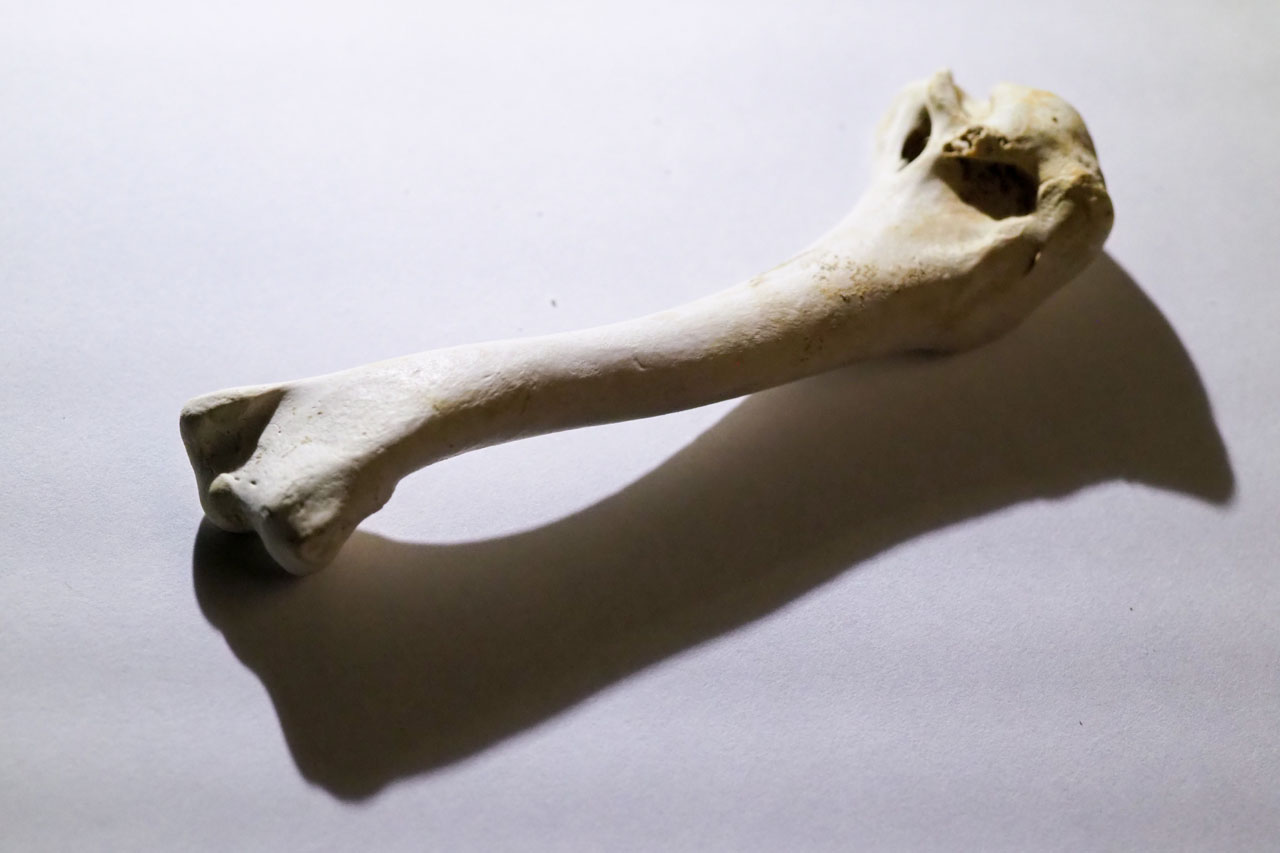
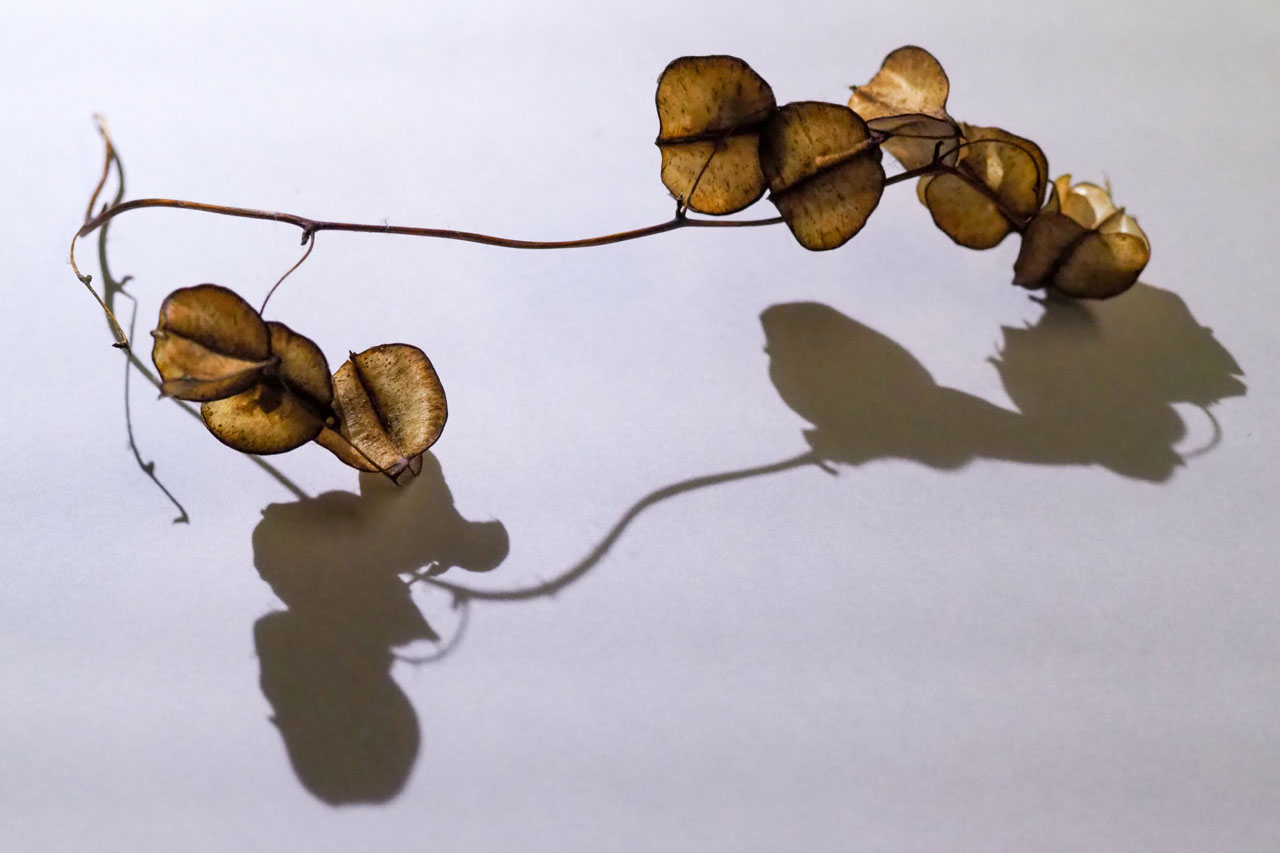
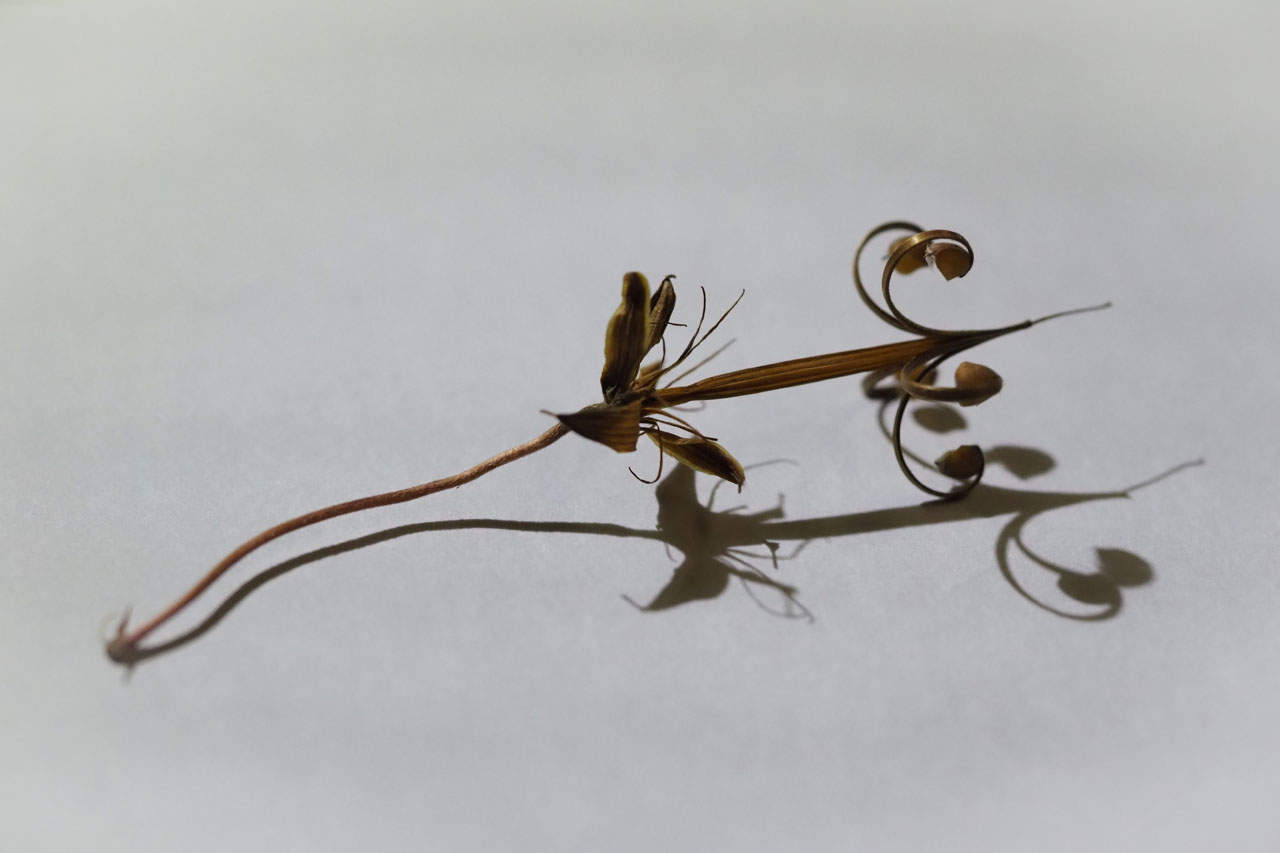
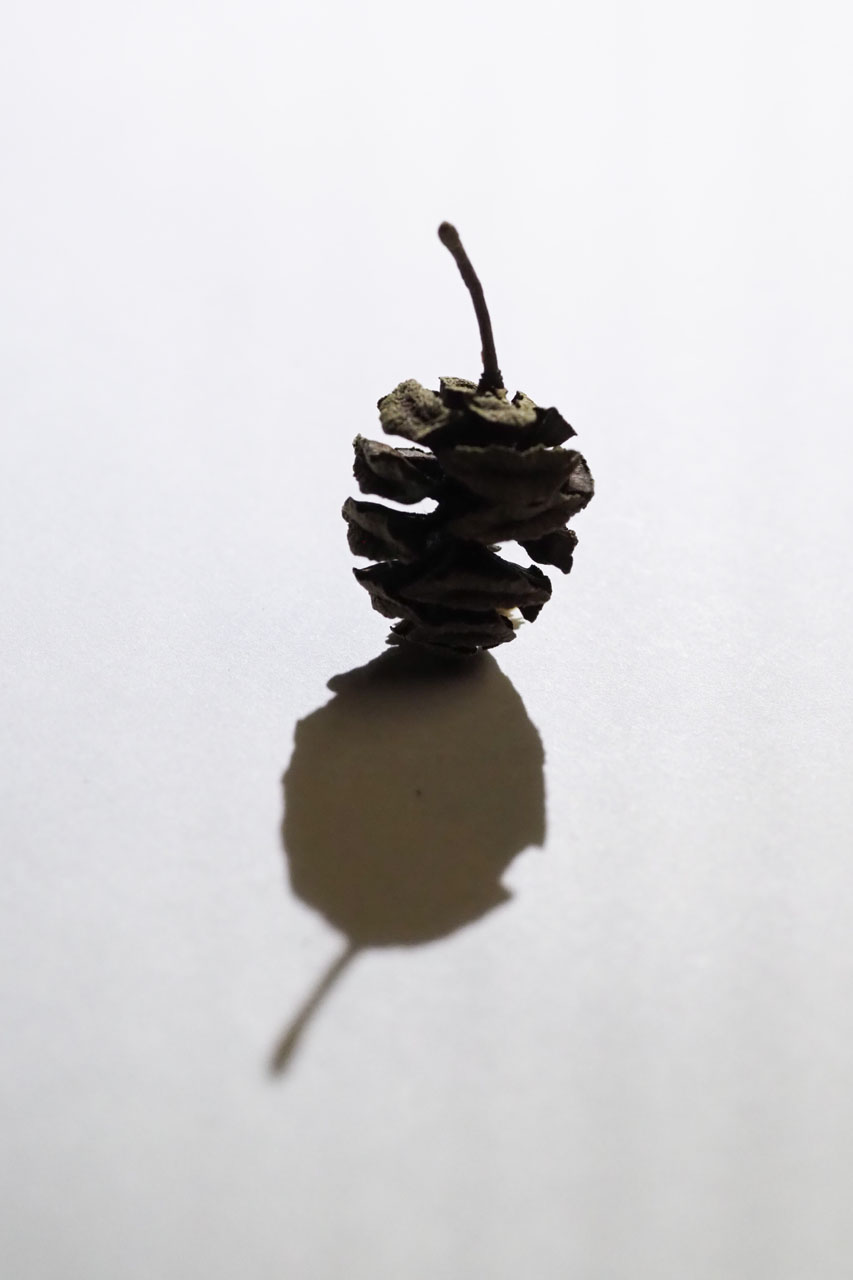
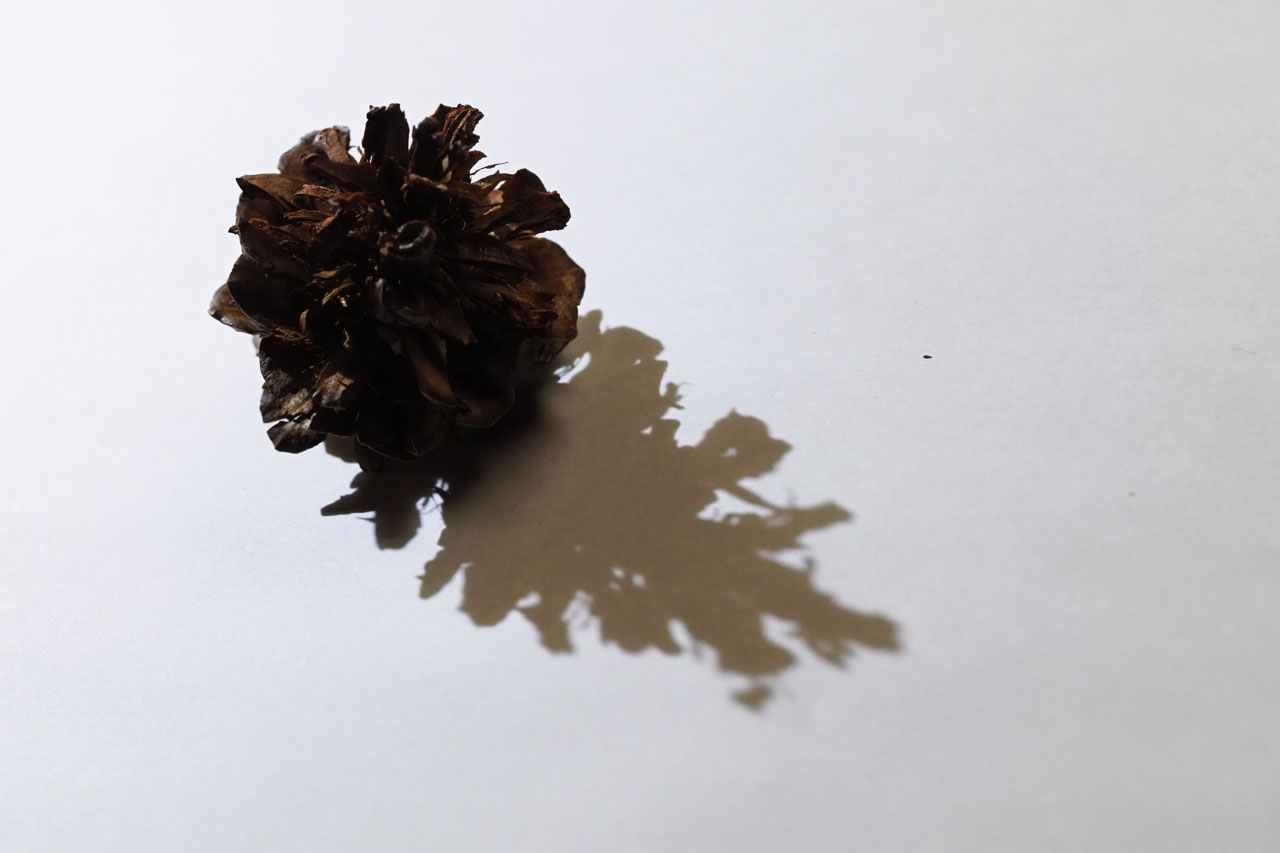
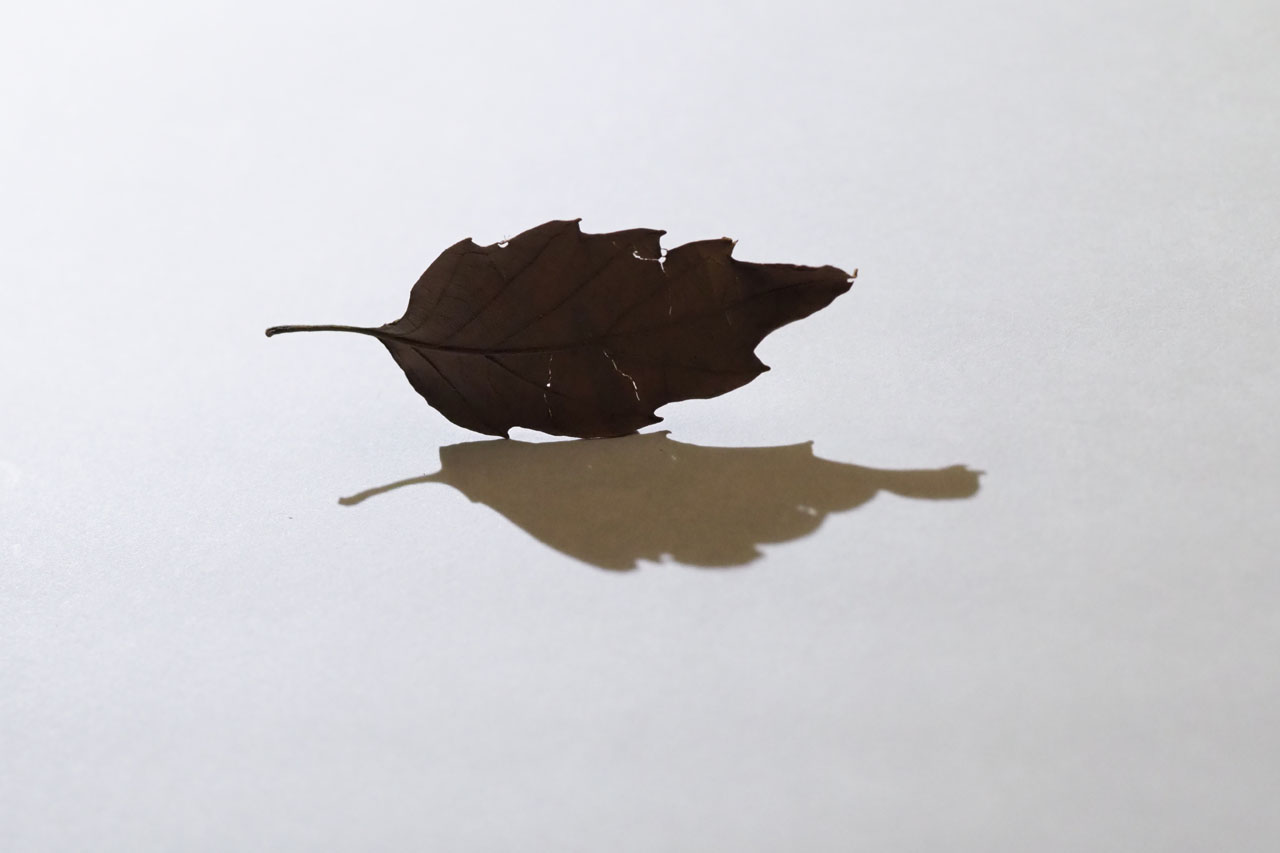
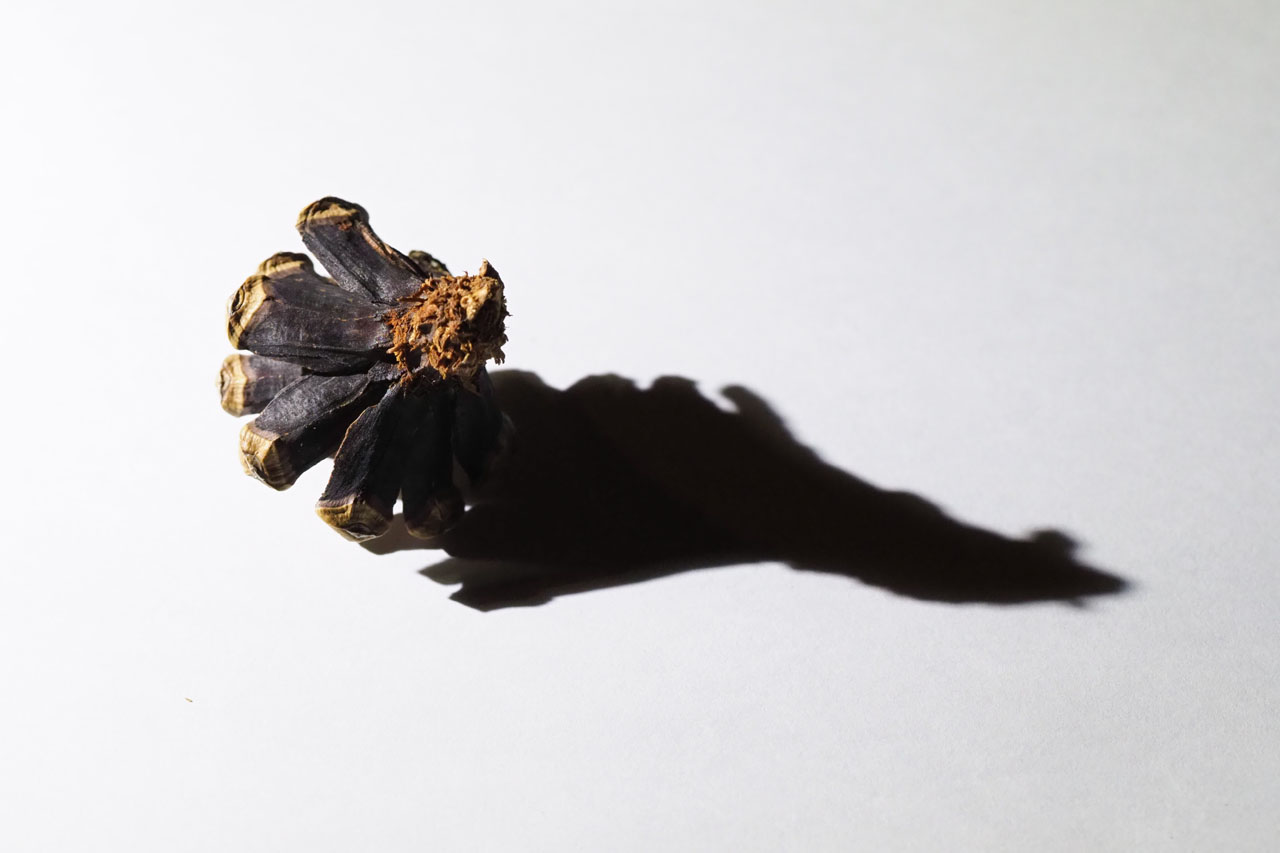
- Find natural objects such as leaves, branches, stones, or petals.
- Photograph the object together with its shadow.
- Take as many photos as you like.
- Experiment with different angles and times of day.

Choose Your Favorite
- Select one image that inspires your imagination — one that makes you wonder, “What might this become?”
- If you feel like, you may take natural objects (such as leaves, small branches, or pebbles) home and photograph them later.

Imagine and Draw
- Print the photo or work digitally on a tablet, etc.
- Rotate the image freely and imagine new forms emerging from the object and its shadow.
- There is no correct answer. Express what you genuinely perceive.
- Add colors or words if you wish.
- Give your droplet a title if you feel like.

Share
- Connect yourself with family, friends, or classmates (in person or online).
- Use #connectedkind and Share your droplets and discuss what you see and feel.
- Share why it appeared that way to you and how it made you feel.
- It can also be interesting to first share the titles that come to mind from the droplet, and then reveal the artist’s original title.
- Notice how differently the same image can be perceived.
Learning Outcomes
CONNECTEDkind nurtures:
- Imagination and creative reinterpretation
- Appreciation of diversity in perception
- An attitude that celebrates difference
- Communication through shared artistic expression
- Acceptance of both light and shadow
- A renewed connection with everyday nature
These capacities are essential for living in an uncertain future.
More Detailed Information (only in Japanese)
From the “Learning! and ESD” website:
- Part 1: Rethinking Learning in the Time of COVID-19 (esd016)
- Part 2: Toward a Sustainable Future (esd017)
On the “Learning! and ESD” website, you can find detailed explanations, etc.
Part 3: Classroom Applications
Practical examples that can be applied in your classes starting tomorrow are introduced here.
CONNECTEDkind can be enjoyed by everyone—from young children to university students—and throughout every stage of life.
In our research activities, CONNECTEDkind was implemented in classes at schools and universities from 2021 to 2024. The majority of these lessons shared the following core components.
-
Before the class begins, share a particle (a photograph of a natural object and its shadow) as an assignment in advance, or introduce it at the start of the lesson without prior notice. Prepare paper and colored pencils or other drawing materials, or tablets equipped with drawing software.
-
During individual work, participants draw what they imagine (or perceive) from the photograph. After drawing, in face-to-face classes, they share their work with a neighbor or in small groups and exchange impressions. Platforms such as Padlet may also be used so that all participants can view one another’s work. In classroom settings, previously created works (droplets) can be uploaded to Padlet in advance, projected onto a screen, and shared for group discussion.
-
As a whole class, participants share their impressions of their classmates’ works (droplets), guess each other’s titles, or challenge themselves to create new droplets inspired by others’ creations.
The essay presented in Part 4 includes records of its implementation in courses for pre-service early childhood educators, in classes at public elementary schools, and in university courses (including cases where it was practiced as an introductory warm-up activity before the main lesson). We hope these examples will serve as helpful references.
At the university level, a semester typically consists of around 14 classes, during which each student creates approximately 10 works (droplets). By repeating this process weekly, students become accustomed to using their imagination in everyday life, and it is not uncommon to see a gradual improvement in the quality of their work. Some students have also taken photographs of leaves, branches, and other natural objects they collected outside of class, enjoying the activity independently with family and friends. Especially during the COVID-19 pandemic, when going out freely was restricted, this practice provided a valuable opportunity to feel connected to nature and to others.
University Classes Using Padlet (An example from this research project)
This section introduces an example of online and hybrid practice using Padlet in a university teacher education program.
Lesson Overview
- Participants:University students (undergraduate teacher education programs or graduate school), 5–70 students
- Format:Face-to-face, online, or hybrid
- Tools:Whiteboard (or blackboard), screen, projector, Padlet (online bulletin board), Zoom, etc.
How Padlet Was Used
Padlet is an online tool that allows participants to share their work and comment on one another’s posts. It was used in the following way:
- The instructor selects and posts a single photograph of a natural object and its shadow.
- Students freely use their imagination to create a droplet.
- Complete works (droplets) are post under the thread created in Step 1.
- Students comment on each other’s work or click “like.”
- As a group, participants freely share their impressions and enjoy an online gallery walk.
Advantages of Online Practice
- Participants can engage at their own pace, without restrictions of time or place.
- All works can be viewed at a glance, allowing appreciation of diverse forms of imagination (the ability to perceive and reinterpret).
- Through sharing and learning from one another, the activity also fosters Social and Emotional Learning (SEL).
- A record remains online, making reflection easy at a later stage.
Part 4:Deepening Understanding
This section presents essays by researchers and practitioners who have taken an interest in CONNECTEDkind—either by engaging in it themselves or by exploring its significance. Using keywords such as art education theory, neuroscience, the unconscious, and “mitate”—a traditional Japanese cultural practice of creative reinterpretation—it examines the meaning and value of this compelling activity, which can be seen as both “play” and “learning.”
Below is the English version adapted for a website aimed at teachers and general educators.
“CONNECTEDkind — Opening the Door to the Unconscious Through Play”
As we grow into adulthood, many of us gradually lose the joy of drawing and the freedom to imagine. What is the “richness” that is lost along the way? Drawing on her own experiences, the author guides us into the world of CONNECTEDkind and invites us to rediscover that richness.
Open the essay →“Moving Shadows” — A Landscape of Learning in CONNECTEDkind
The author describes CONNECTEDkind as an inner process that offers us “a movement of learning that cannot be fully captured by evaluation, and the imaginative power to illuminate what is usually unseen.” Beginning with an encounter with a teacher and a particular picture book, this essay asks what true richness in learning really means.
Open the essay →“Early Childhood Education and CONNECTEDkind”
CONNECTEDkind has also been implemented with university students preparing to become early childhood and elementary school teachers. This essay portrays how learning within a teacher-training program deepened and expanded through CONNECTEDkind, illustrated with actual works created by the students.
Open the essay →“What We Valued Most in Practicing CONNECTEDkind”
Yoko Suzuki, one of Japan’s leading practitioners in art education and a research collaborator on this Grant-in-Aid for Scientific Research project, developed outstanding practices that greatly influenced both the principal and co-investigators of the study. What did she consider most important in her work with CONNECTEDkind? This essay explores that question alongside the children’s “droplets” (artworks).
Open the essay →“What Is Moving in CONNECTEDkind? — Characteristics Revealed Through EEG Spectrum Analysis”
What happens in our brains when we engage in CONNECTEDkind? Through EEG measurements conducted as part of this Grant-in-Aid research project, distinctive features of this form of “learning as play” was clarified. Based on a paper published by the Japanese Association of Art Education, this essay approaches the essence of a unique form of play (learning) that emerged during the COVID-19 pandemic.
Open the essay →“Mitate in Japanese Culture”
The creative reading of space in everyday situations appears in Japanese textbooks, yet this sensibility has long been cherished in Japan. Over time, Japanese culture has cultivated an attitude of “finding and appreciating beauty in the everyday.” It can be said that CONNECTEDkind has found its place within a society that has nurtured this very sensibility. The Japanese concept of mitate offers us rich inspiration and important insights for contemporary society.
Open the essay →“Light and Shadow as the Source of Creation — Why CONNECTEDkind Needs Shadow”
Unlike general creative activities, one distinctive feature of CONNECTEDkind lies in its “rule” of drawing shadows together with light. What is the meaning of this? Drawing on insights from psychology and related fields, this essay offers a thoughtful exploration that invites us into deeper reflection.
Open the essay →The Flow of Natural Intelligence
CONNECTEDkind began as an antidote to the isolation and anxiety of lockdowns during the pandemic, and emerged into a new and highly effective framework for art education. Developed and piloted by Laura Belevica, praised as the “revolution in education” by leading experts in ESD, and piloted as an elementary school curriculum with with 226 elementary school children at a public elementary school in California, it offers a framework to tap into one’s own natural intelligence to develop resilience and self-confidence to thrive in the new connectedkind world. CONNECTEDkind: art practice that nurtures genius by creating an ecosystem where DROPLETS (artwork) are gathered into the sea of connection and kindness. A wave of change on the horizon. The new mainSTREAM.
Open the essay →
Part 5:Expanding Possibilities – Open Access Materials
The photo materials provided on this website may be freely used for educational purposes in classes and workshops.
These photographic materials are freely available for use in classes, workshops, and other educational settings. They are especially useful on cloudy or rainy days when shadows are not visible outdoors, or when going for a walk is not possible. They can easily be incorporated into indoor activities.
Print and Distribute
Download and print the photos to hand out to students. They can draw directly onto the paper, and the finished work can be kept as an artwork.
Project on a Screen
Project the images for the whole class to view together. Students can discuss what the forms might be seen as (mitate), making this ideal for pair or group activities.
Draw on a Tablet
Using digital devices, students can draw directly onto the images. Coloring and editing are simple, and sharing their work is smooth and efficient.
Key Point:Freely draw the images (droplets) that you imagine from the photographs. There are no correct answers. Please value each learner’s unique sensibility and perspective.
Examples of Droplets
Here are examples of “droplets” that were created from actual photographs. All of them are works by children, university students, and teachers from Japan and around the world. Most of these works were produced by Japanese university students. You will see that a wide variety of artworks can emerge from a single photograph. Even when looking at the same image, different people see completely different things — this is the richness of imagination and the first step toward embracing diversity.
Photo Materials Gallery
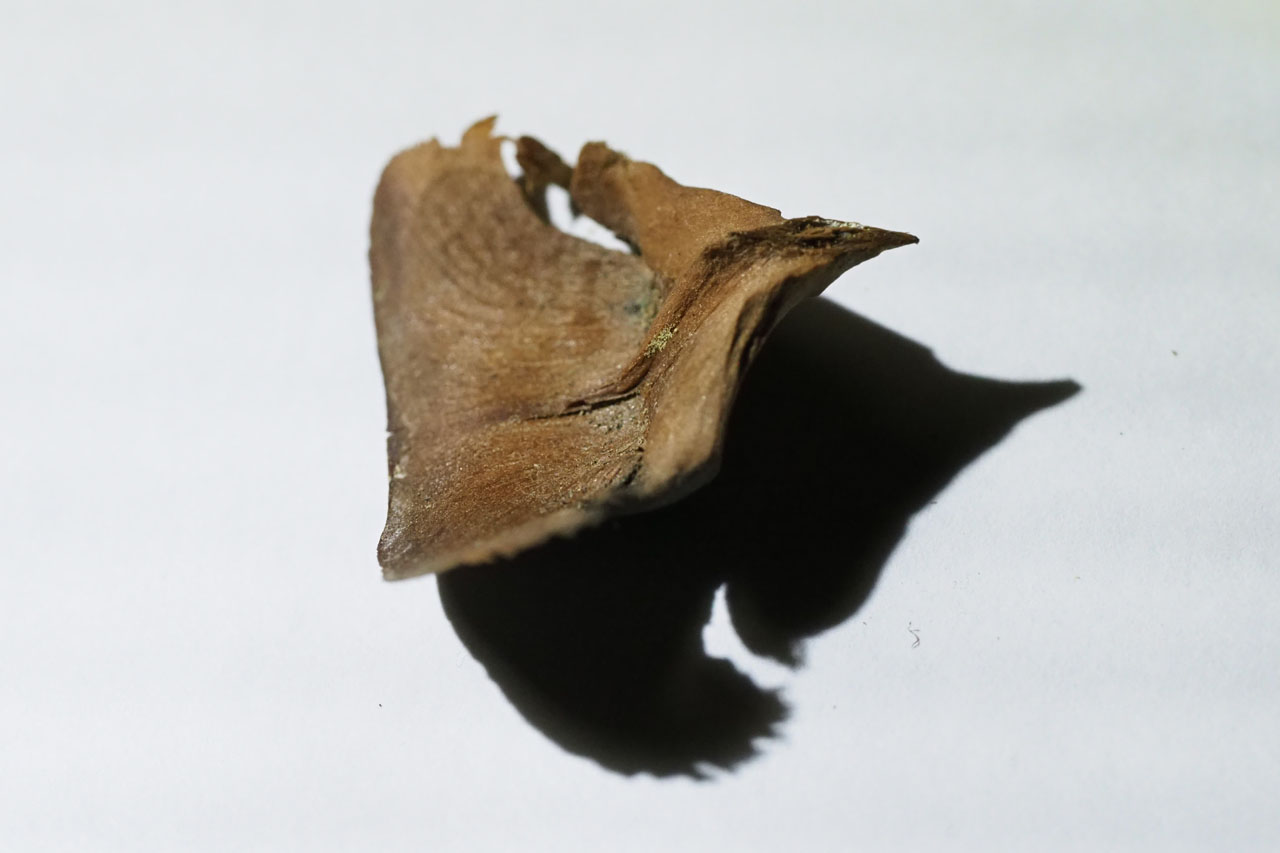
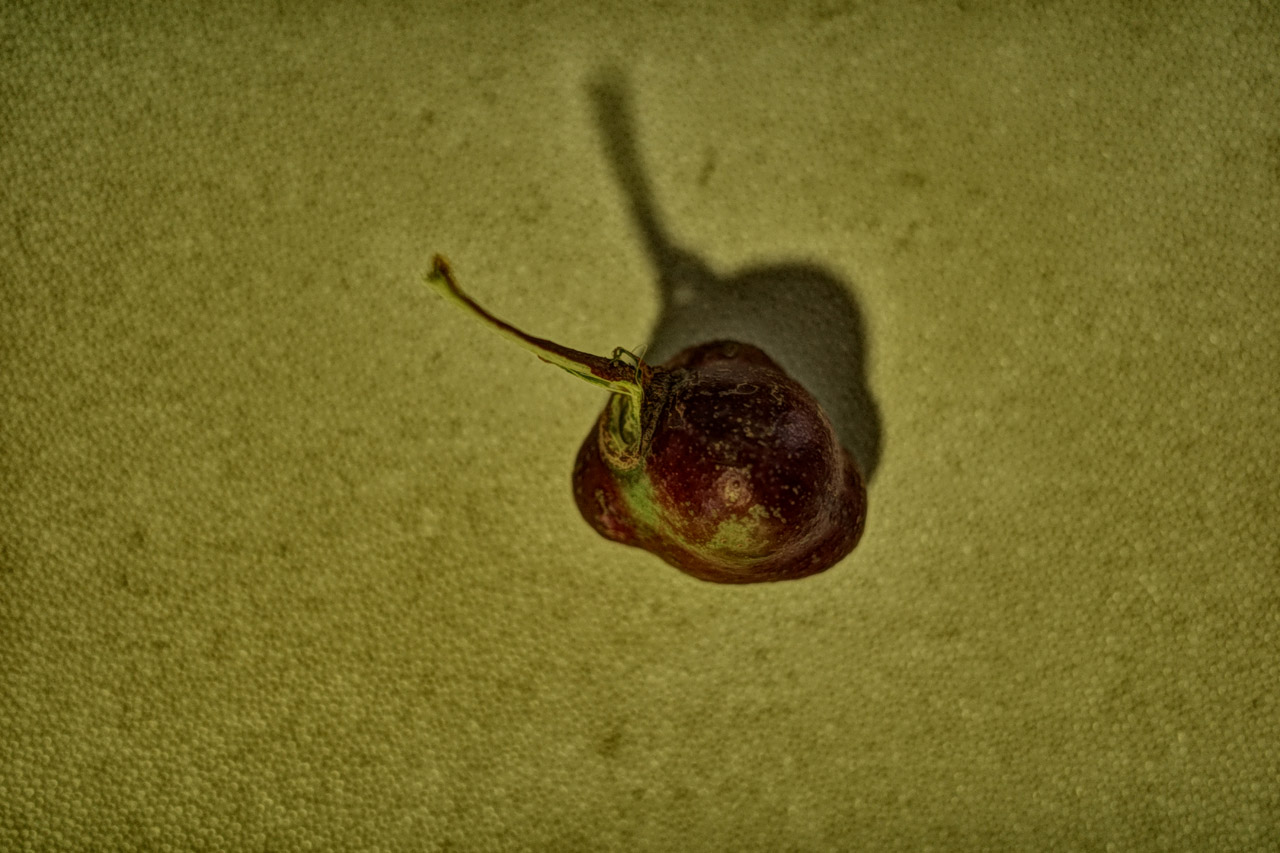
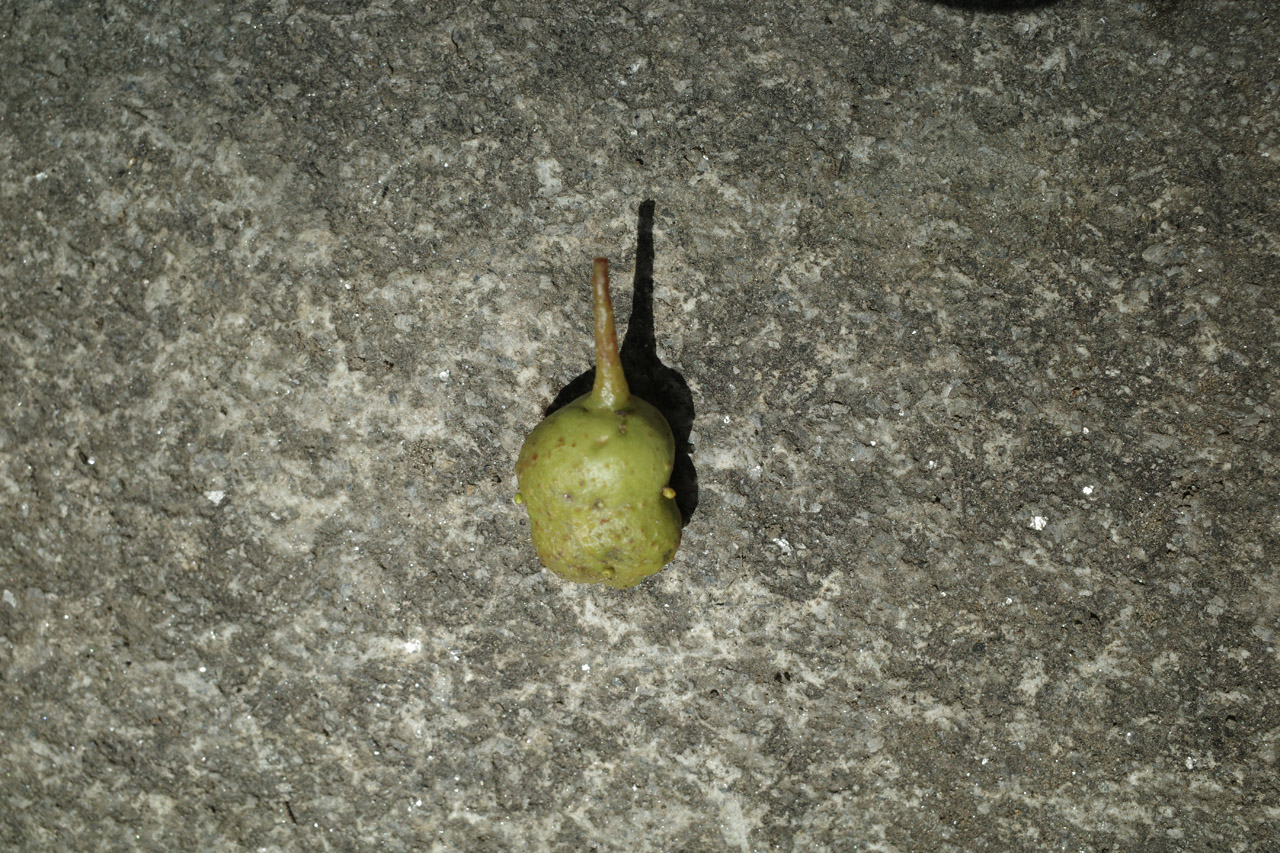
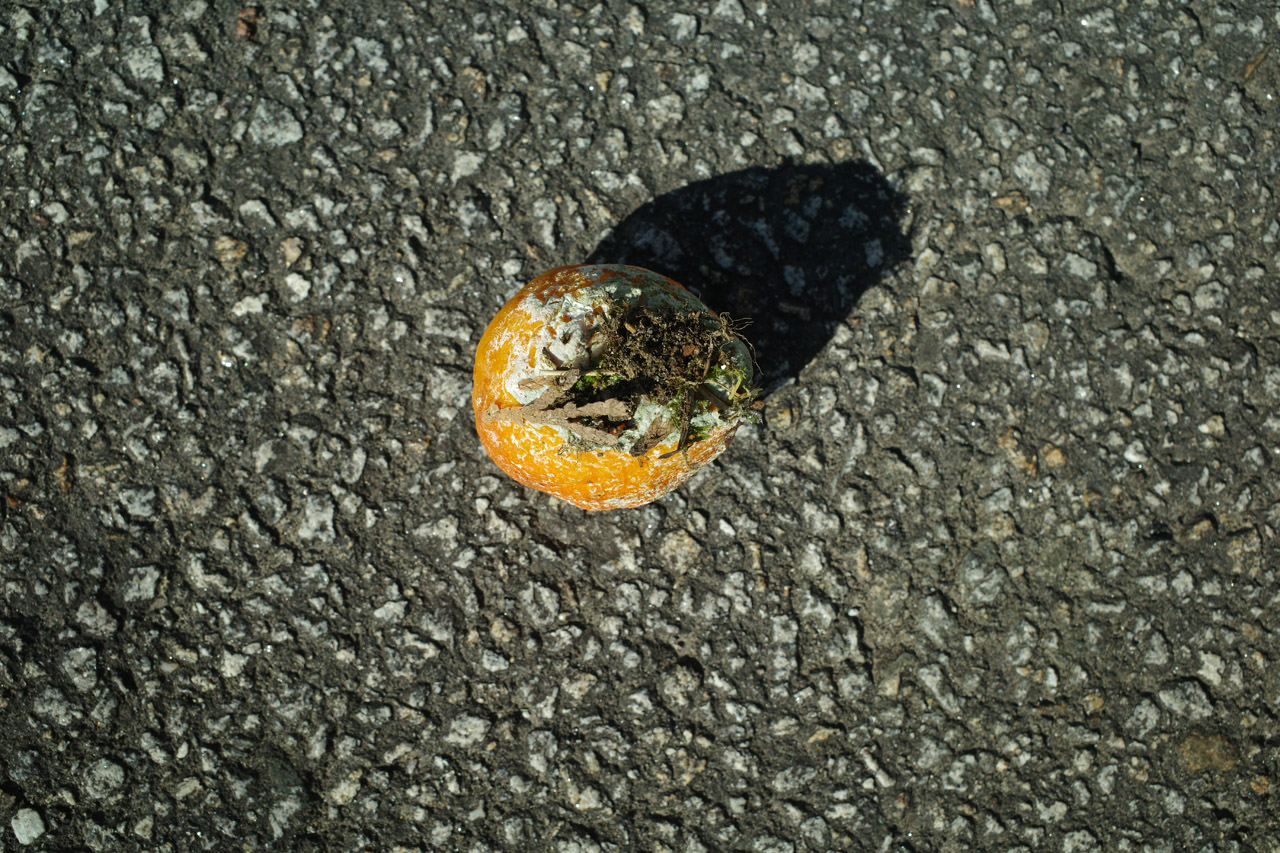
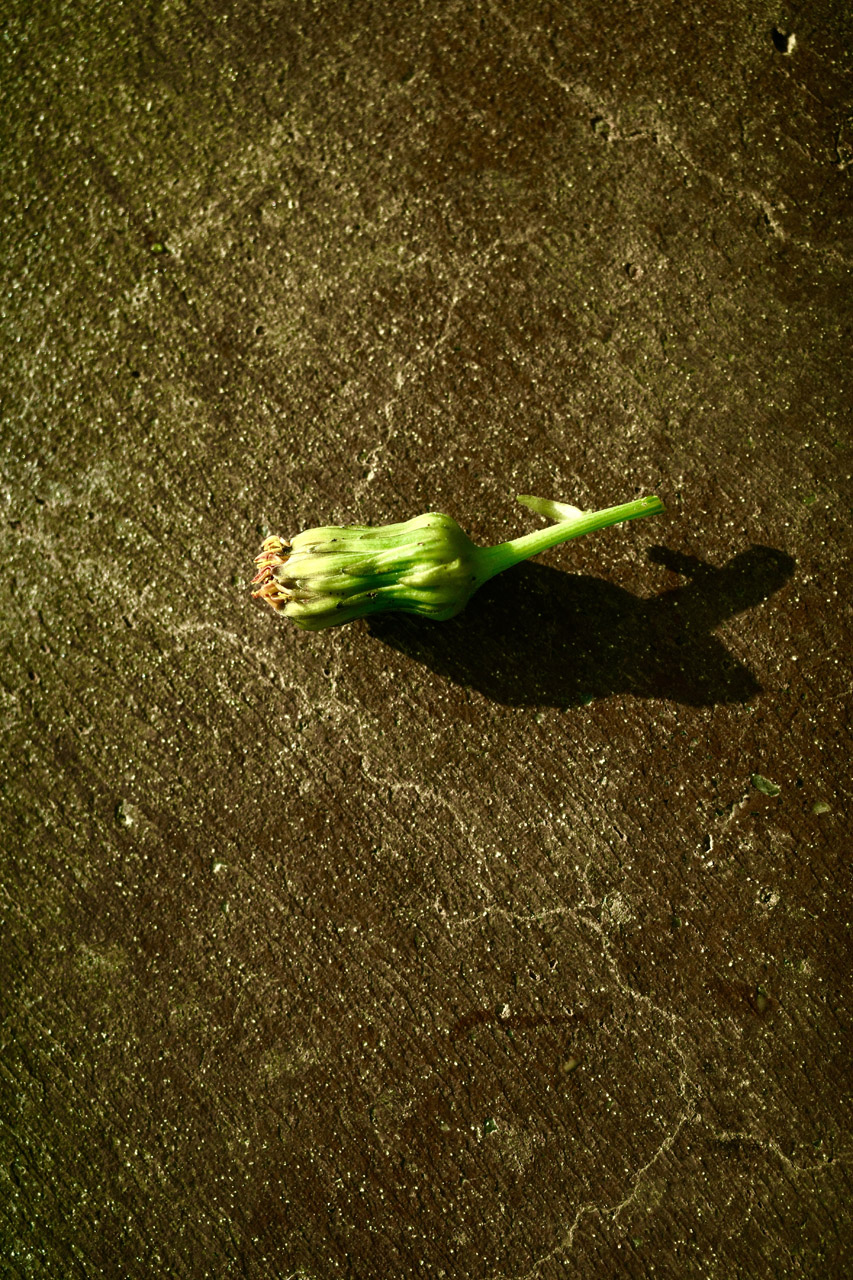
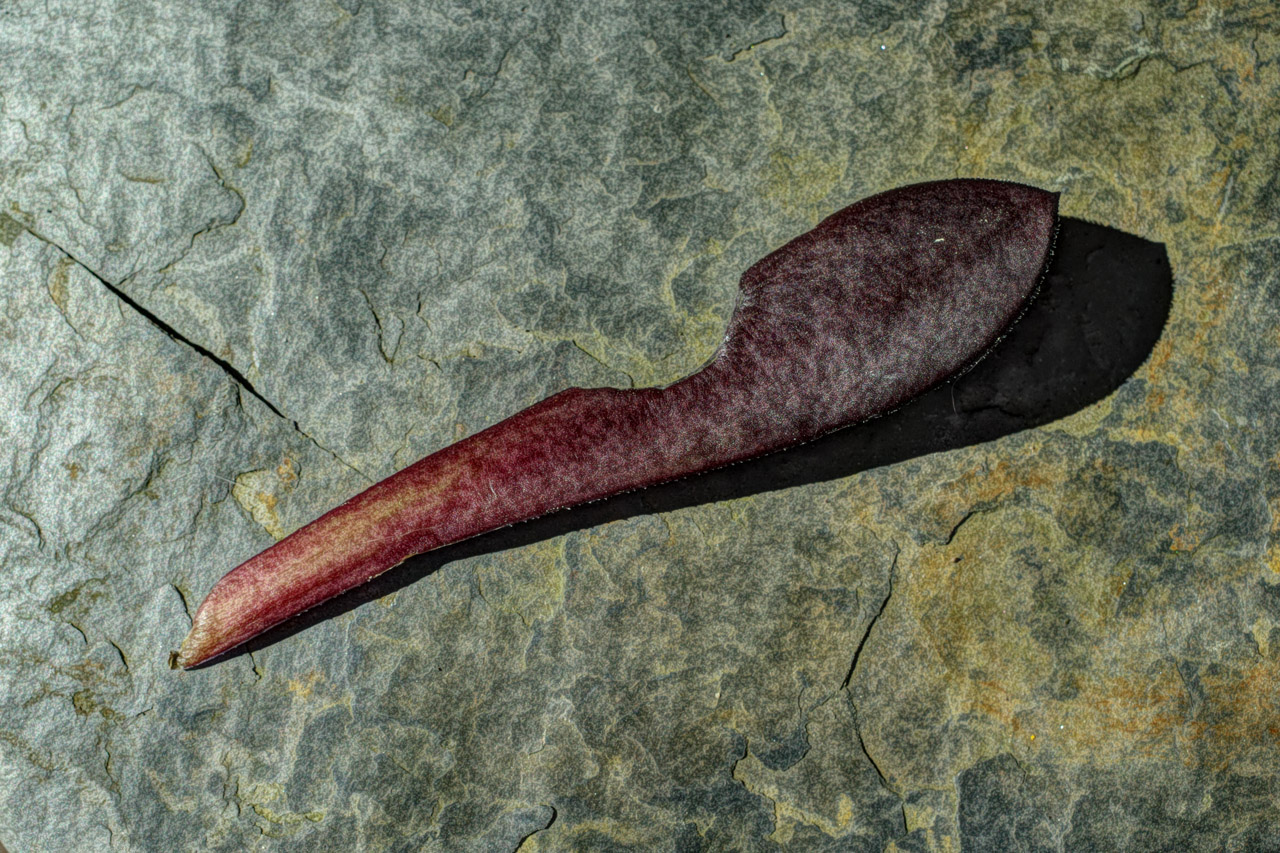
You can browse a collection of photographs suitable for classroom use. Click on any image to enlarge it, and download it if you wish. Please make use of these photographs of nature and shadow taken in various parts of the world (Japan, the United States, Indonesia, Portugal, and Spain), generously provided by Laura Belevica, the founder of CONNECTEDkind; Takashi Konishi, forest guide and photographer in Japan; and Yoshiyuki Nagata, principal investigator of this research project.
- Materials Provided by Laura Belevica
- Materials Provided by Takashi Konishi
- Materials Provided by Yoshiyuki Nagata
Materials Provided by Laura Belevica
These materials are provided by Laura Belevica, a Latvian-born artist based in Los Angeles and the founder of CONNECTEDkind. The natural objects captured in the strong sunlight of the American West Coast — highlighting light and shadow in nature — are referred to as “particles.” You can also view examples of artworks created from these images.
Examples of Droplets
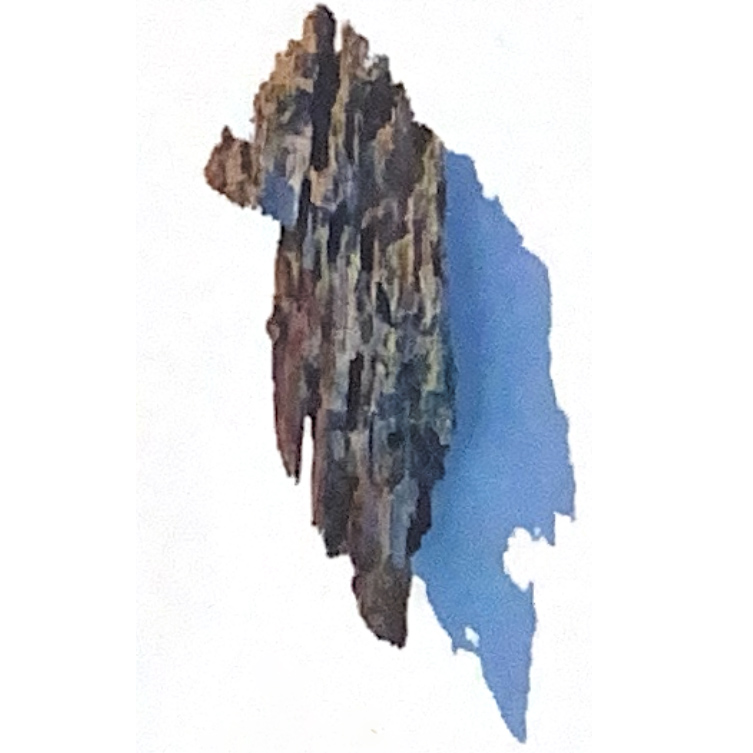
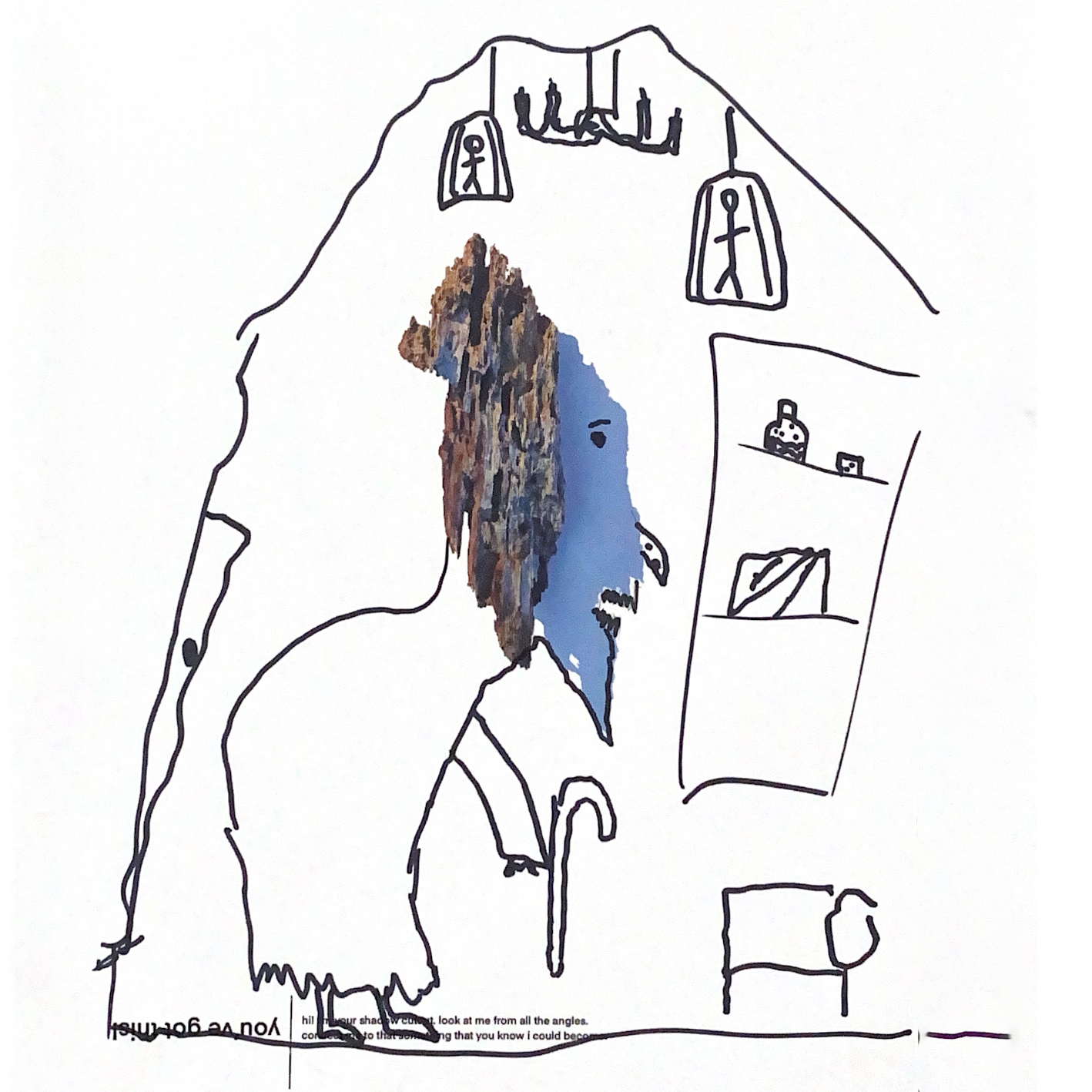
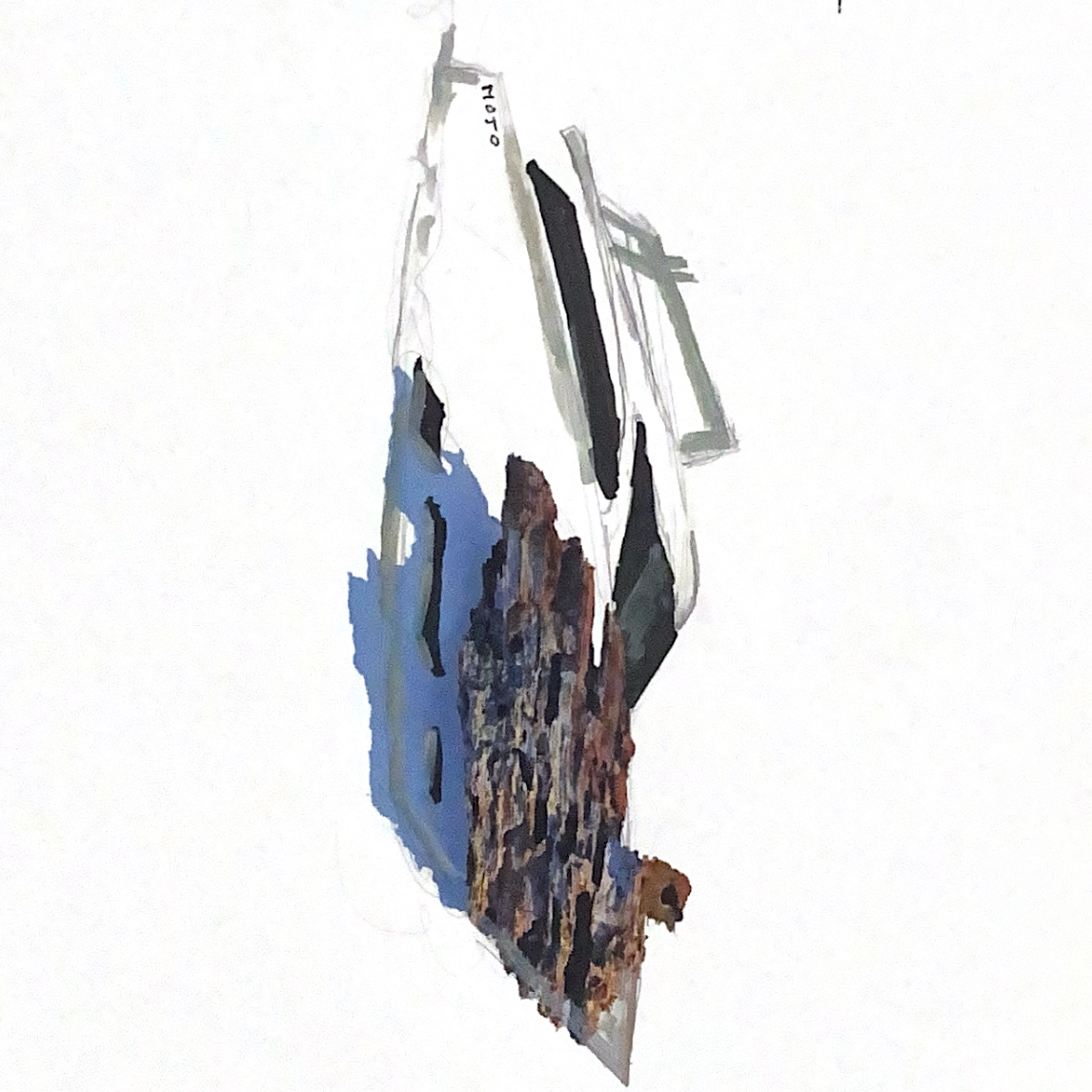
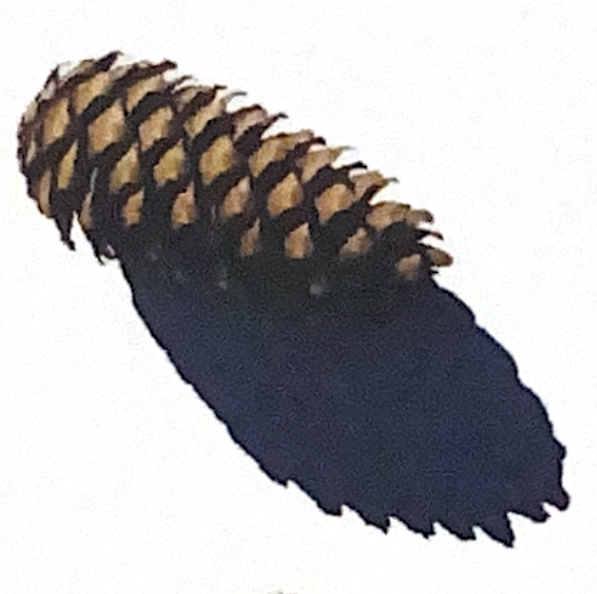
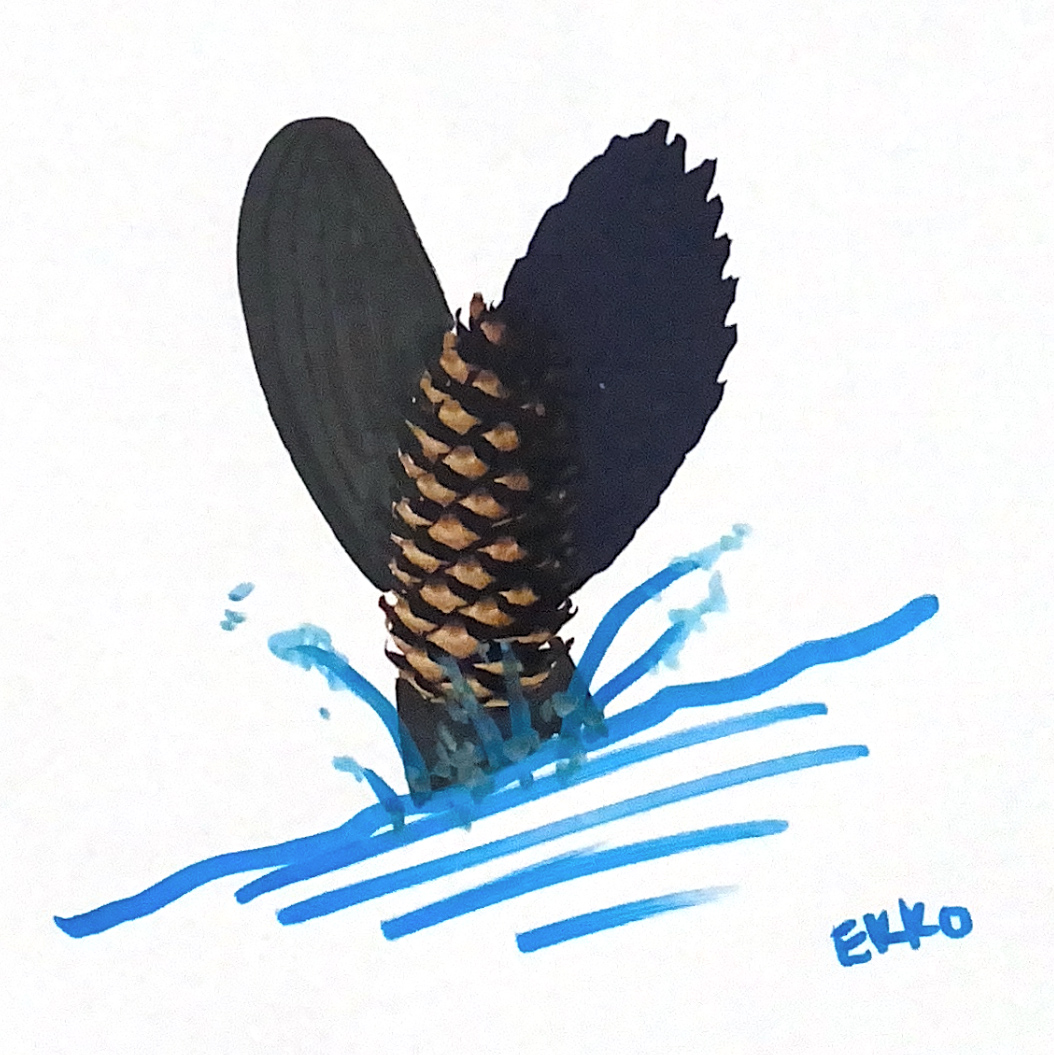
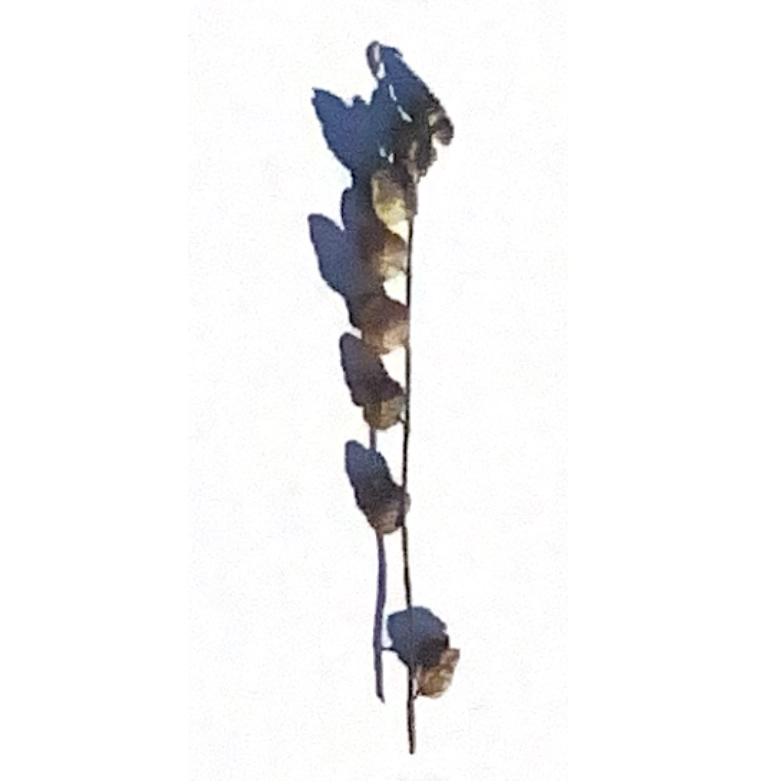
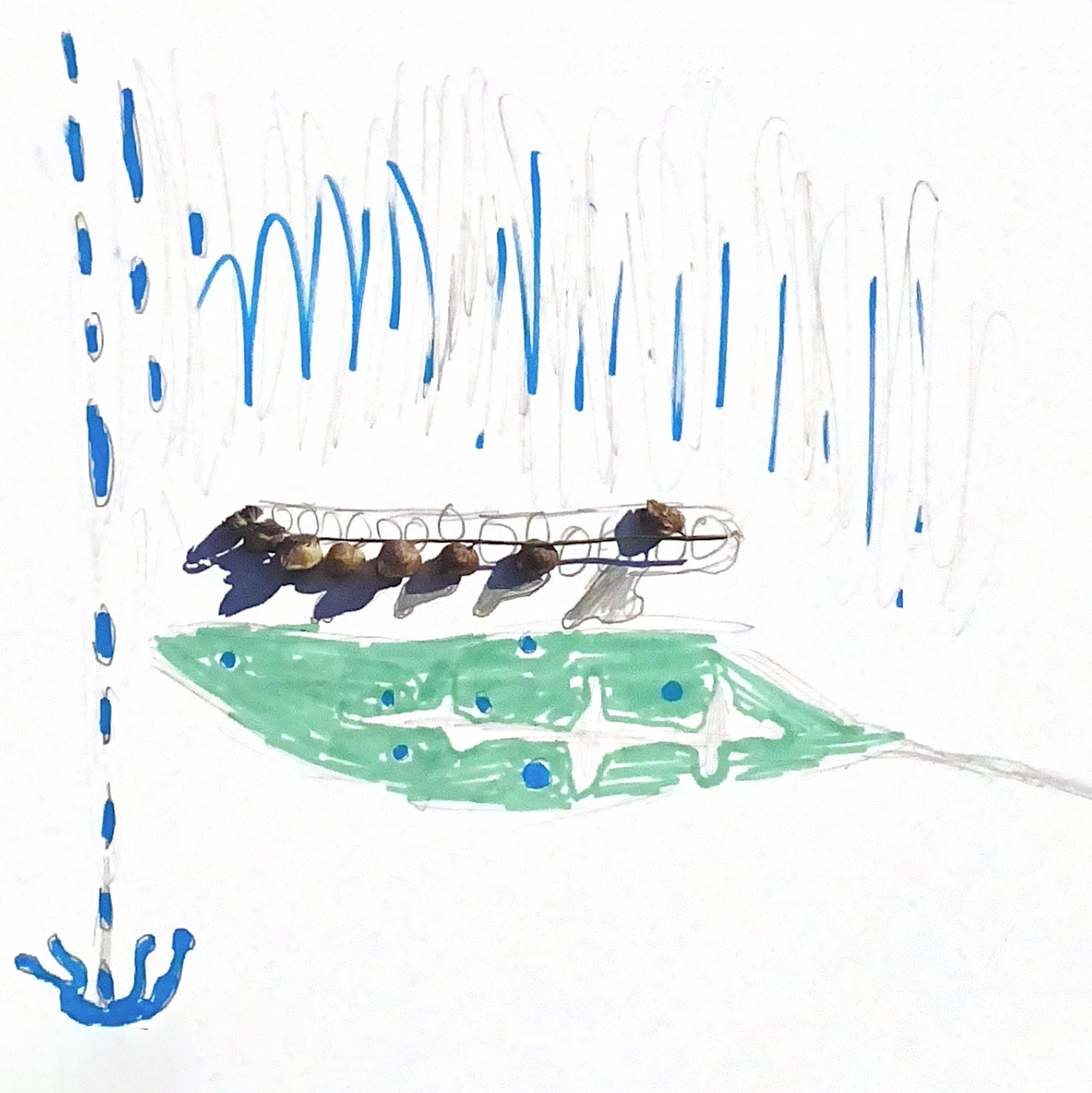
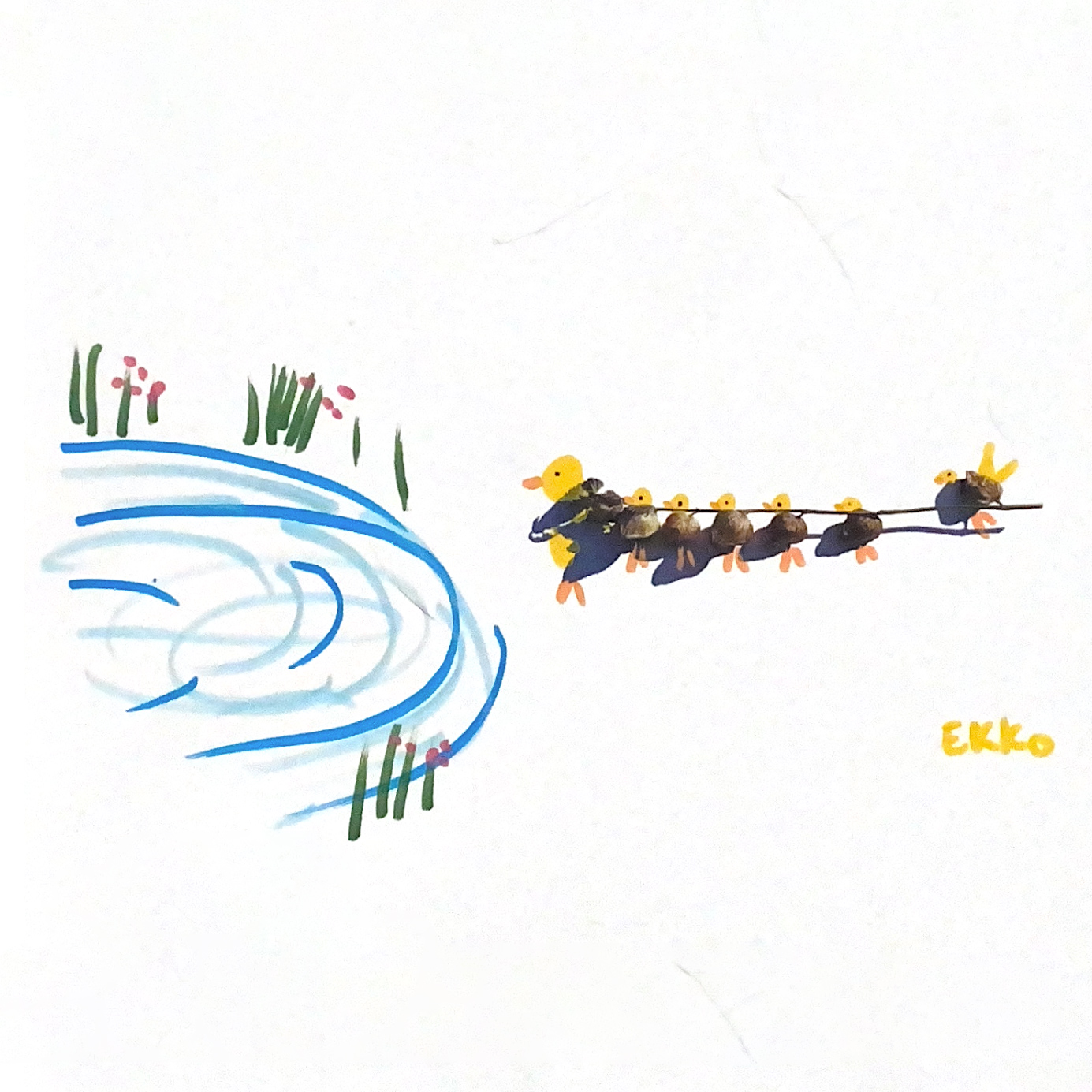
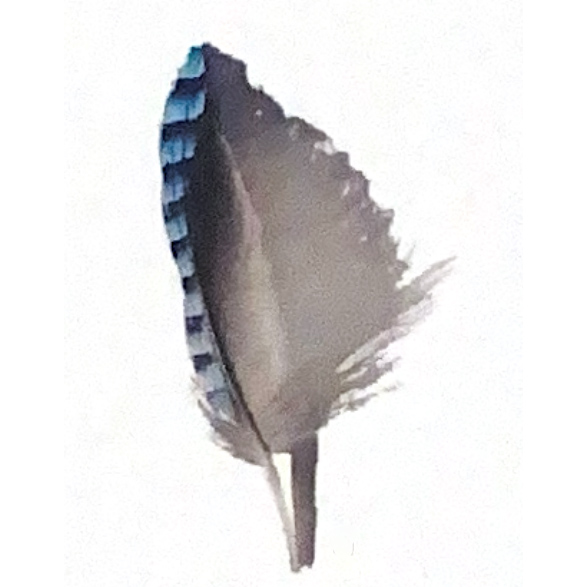
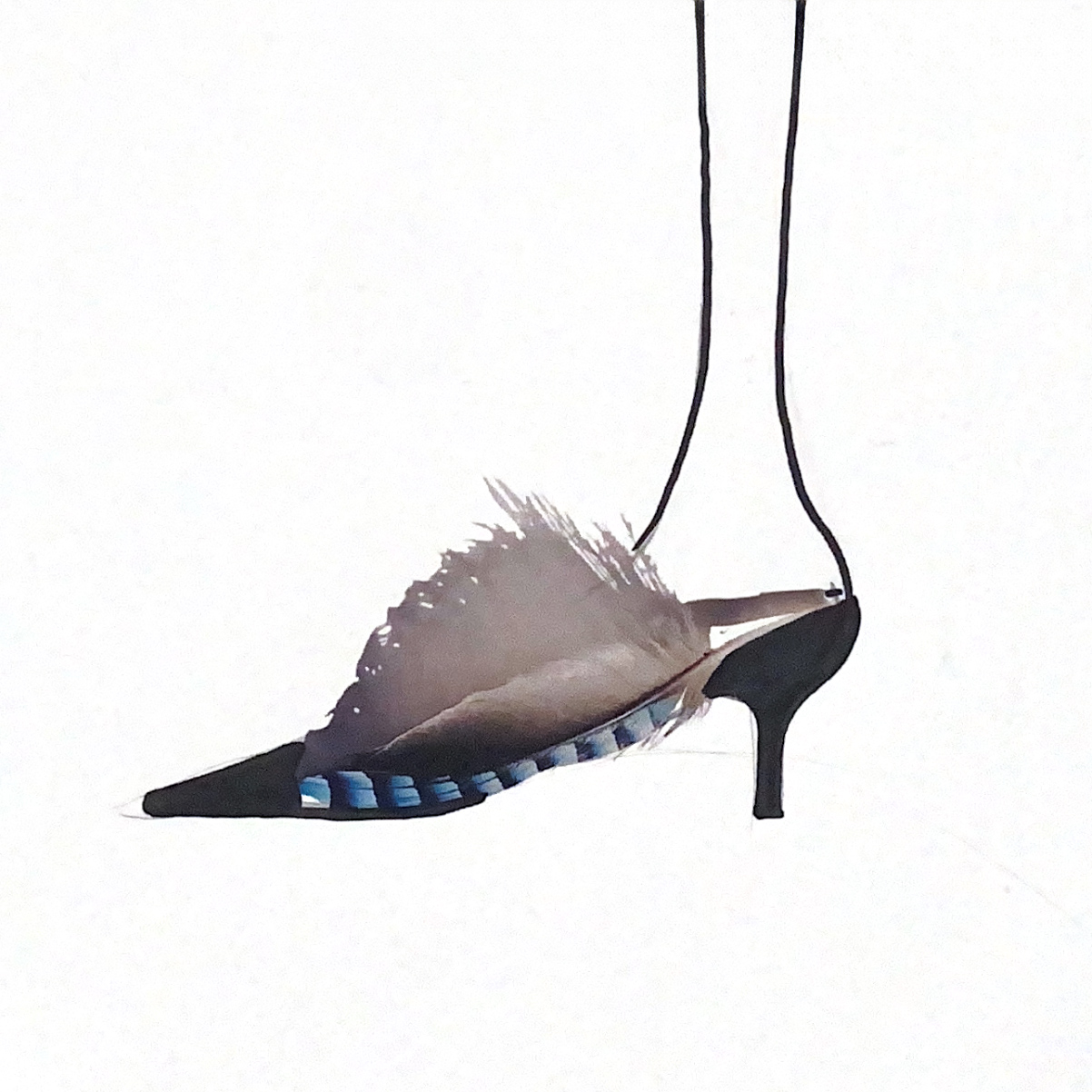
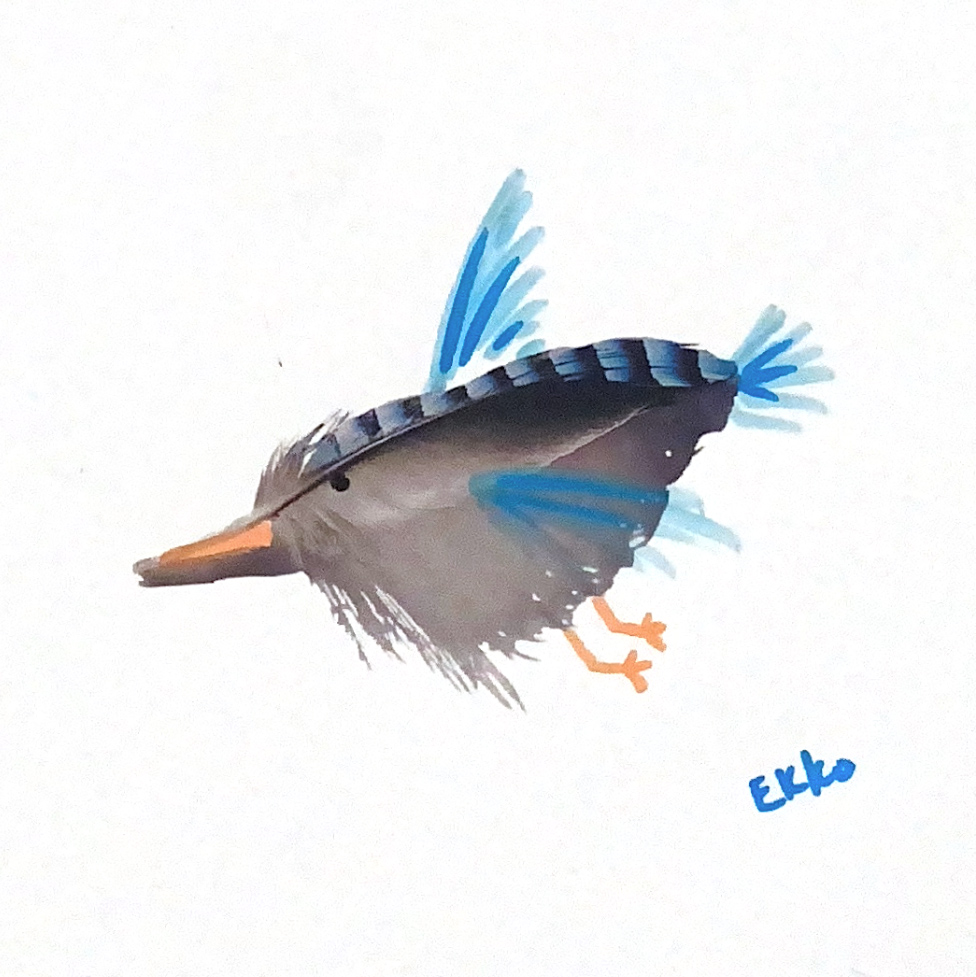
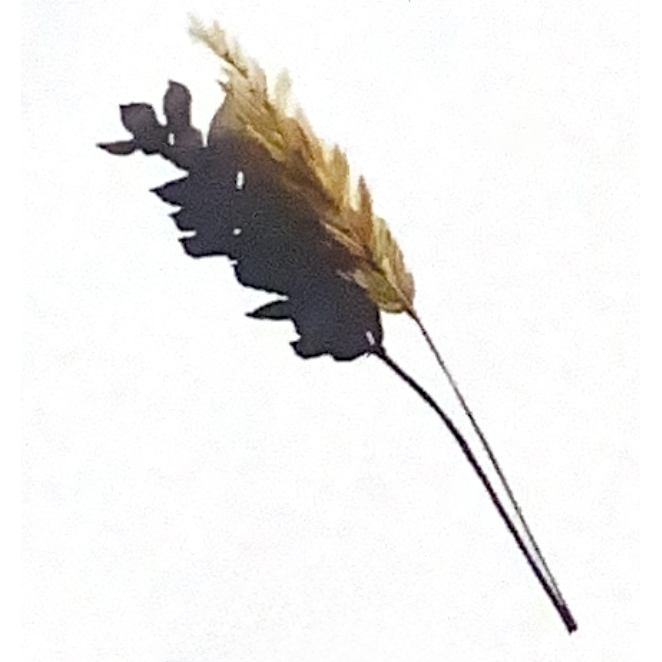
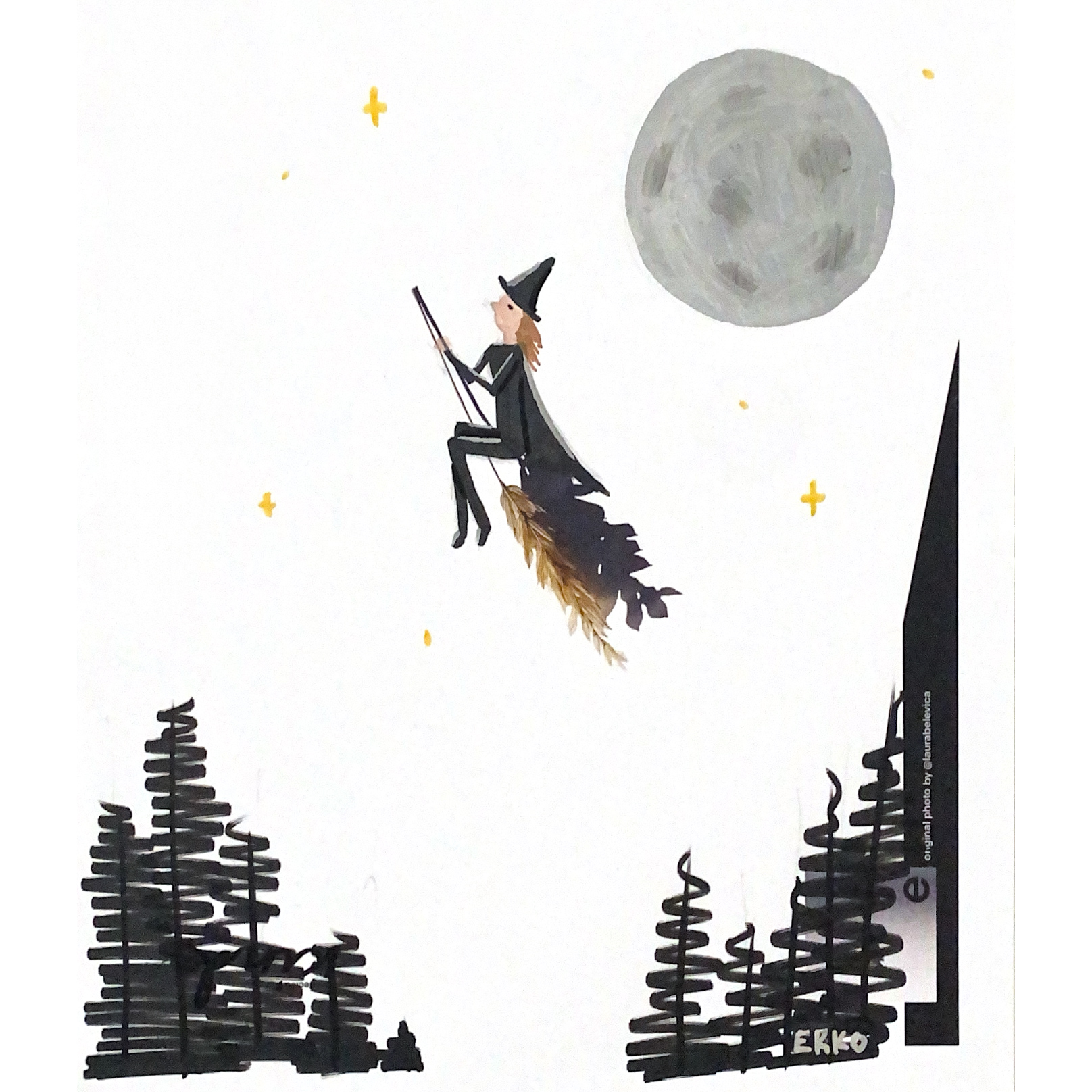
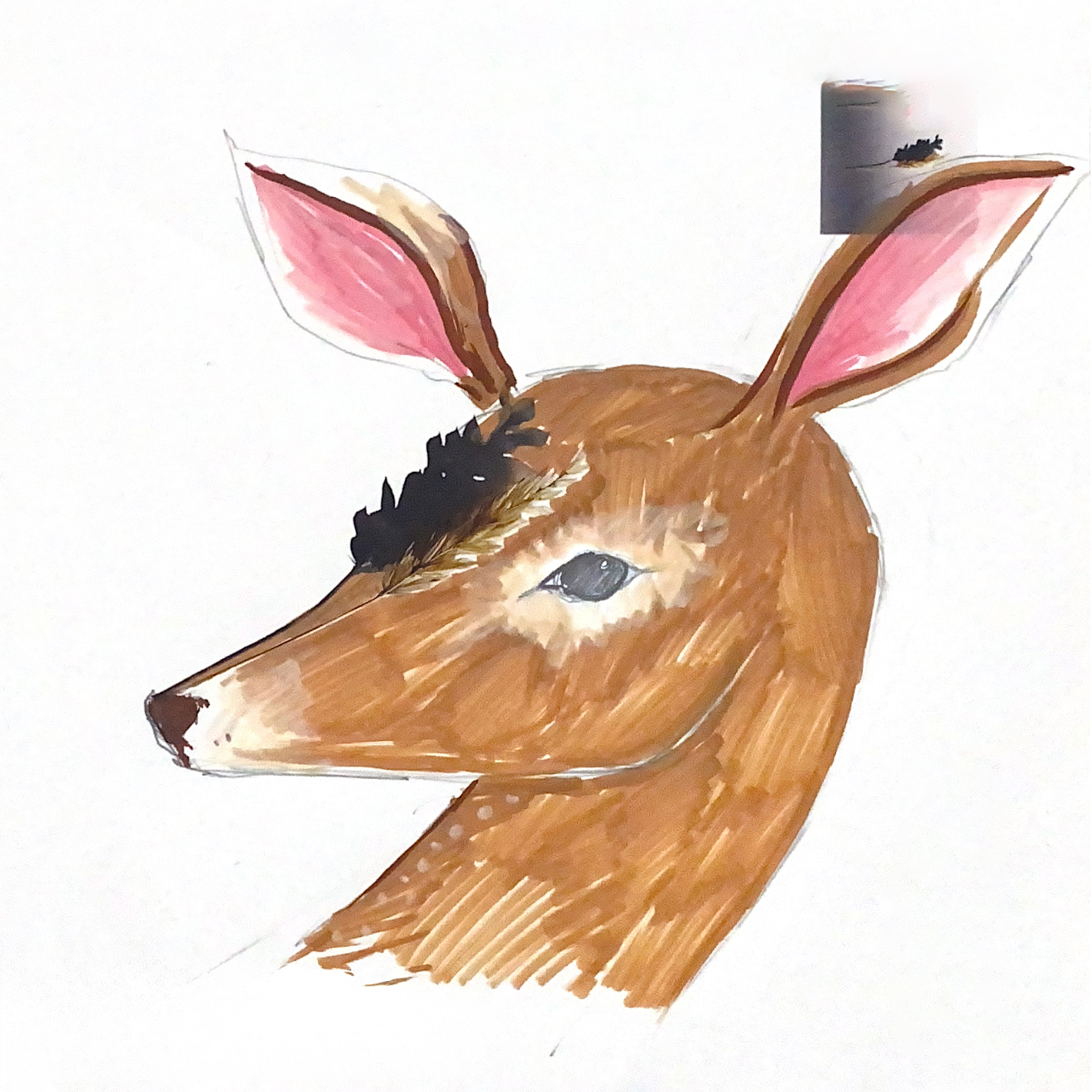
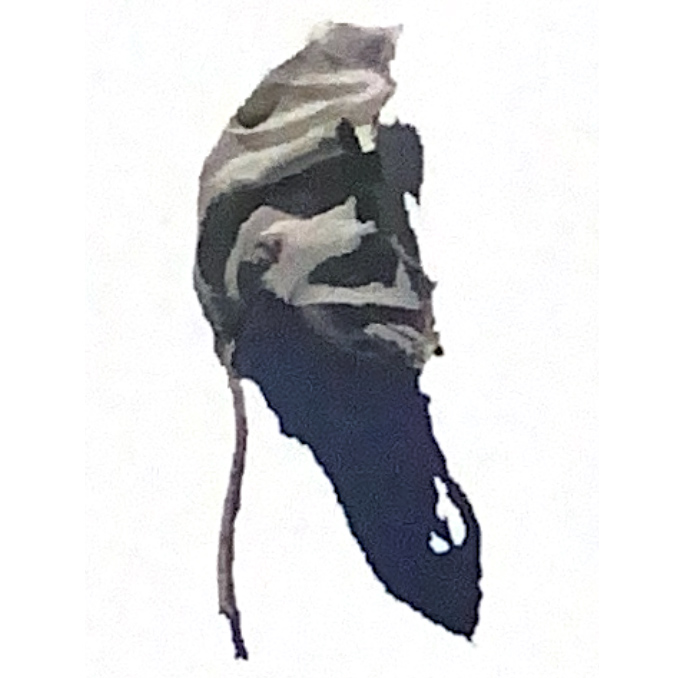
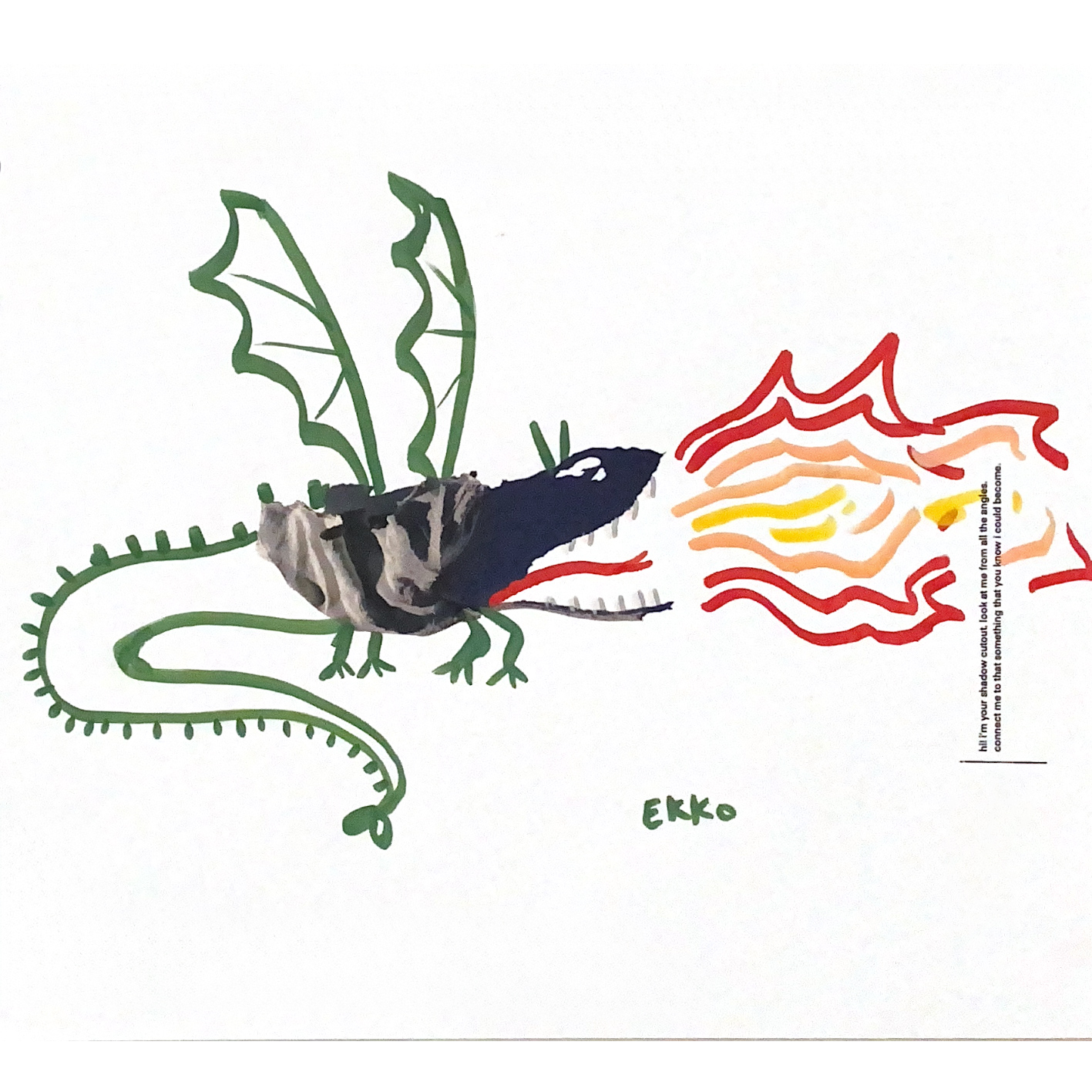
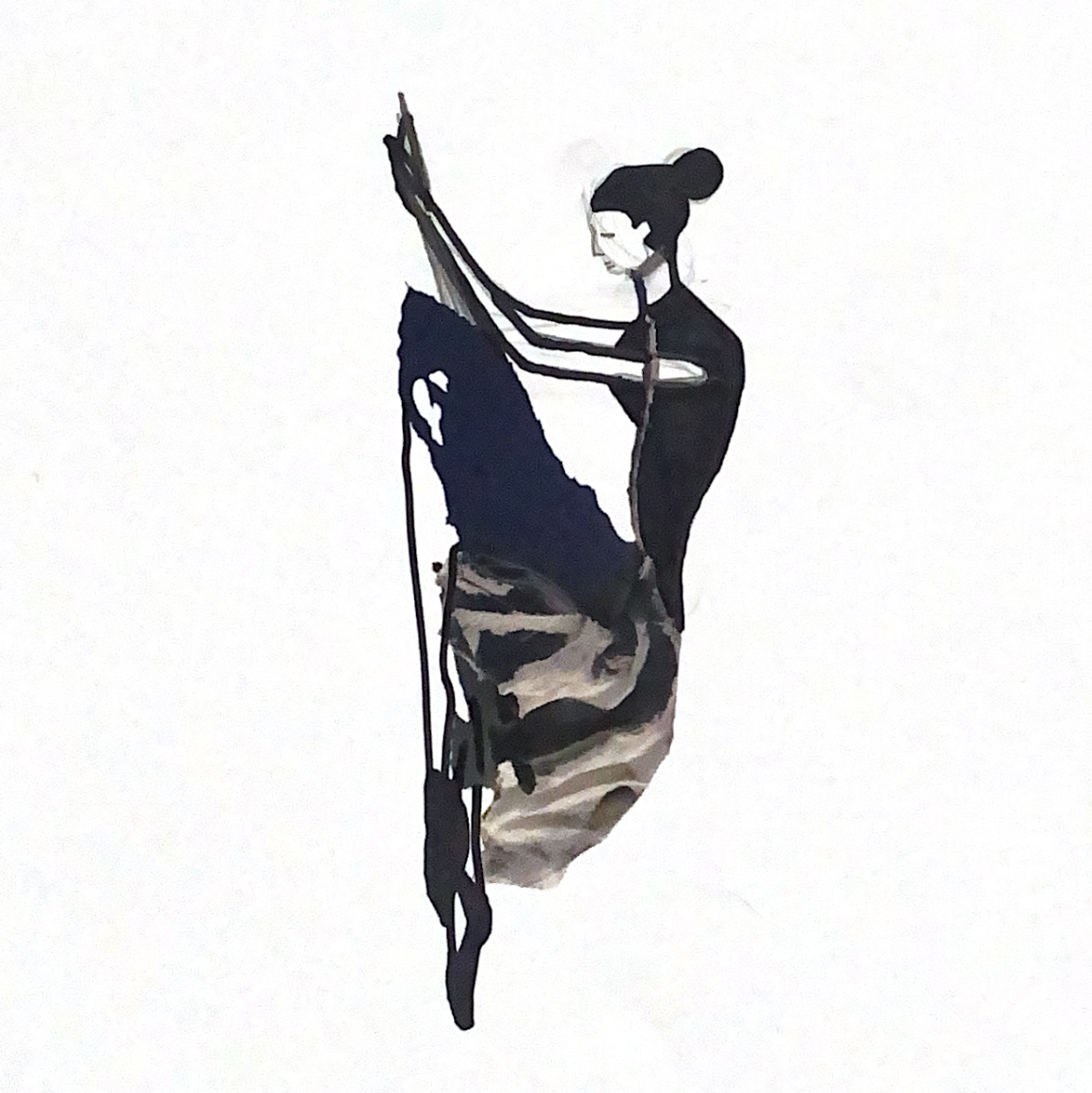
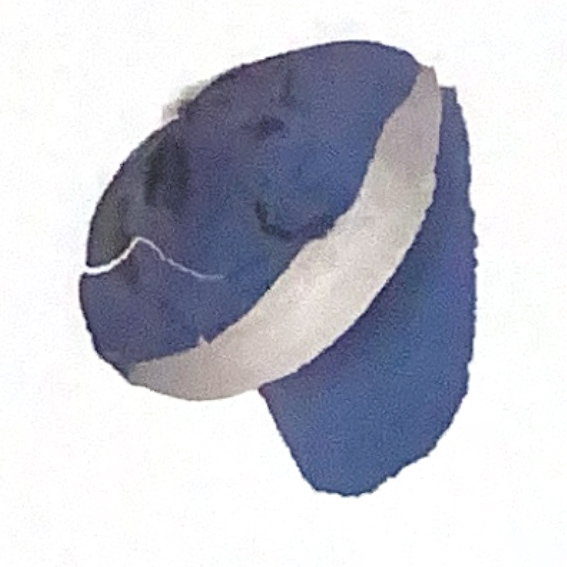
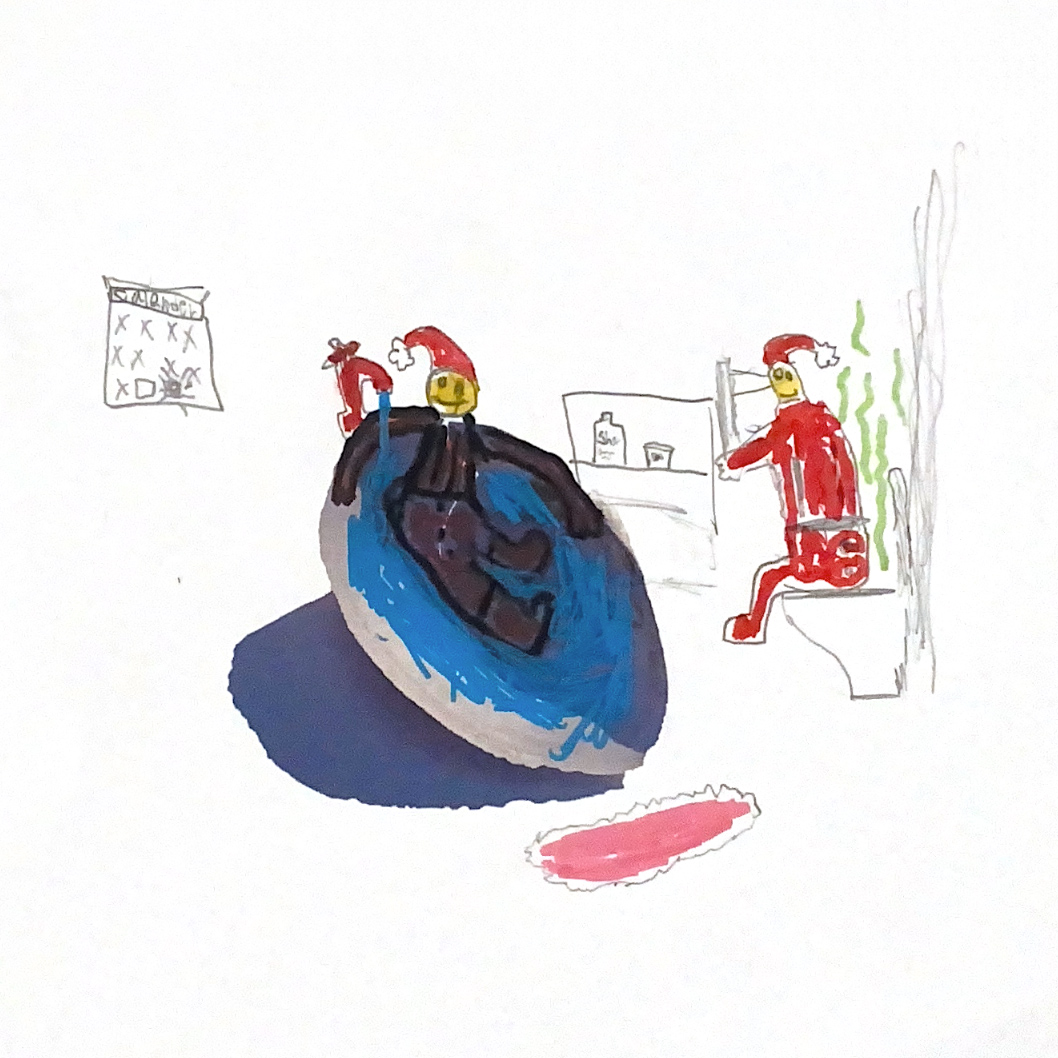
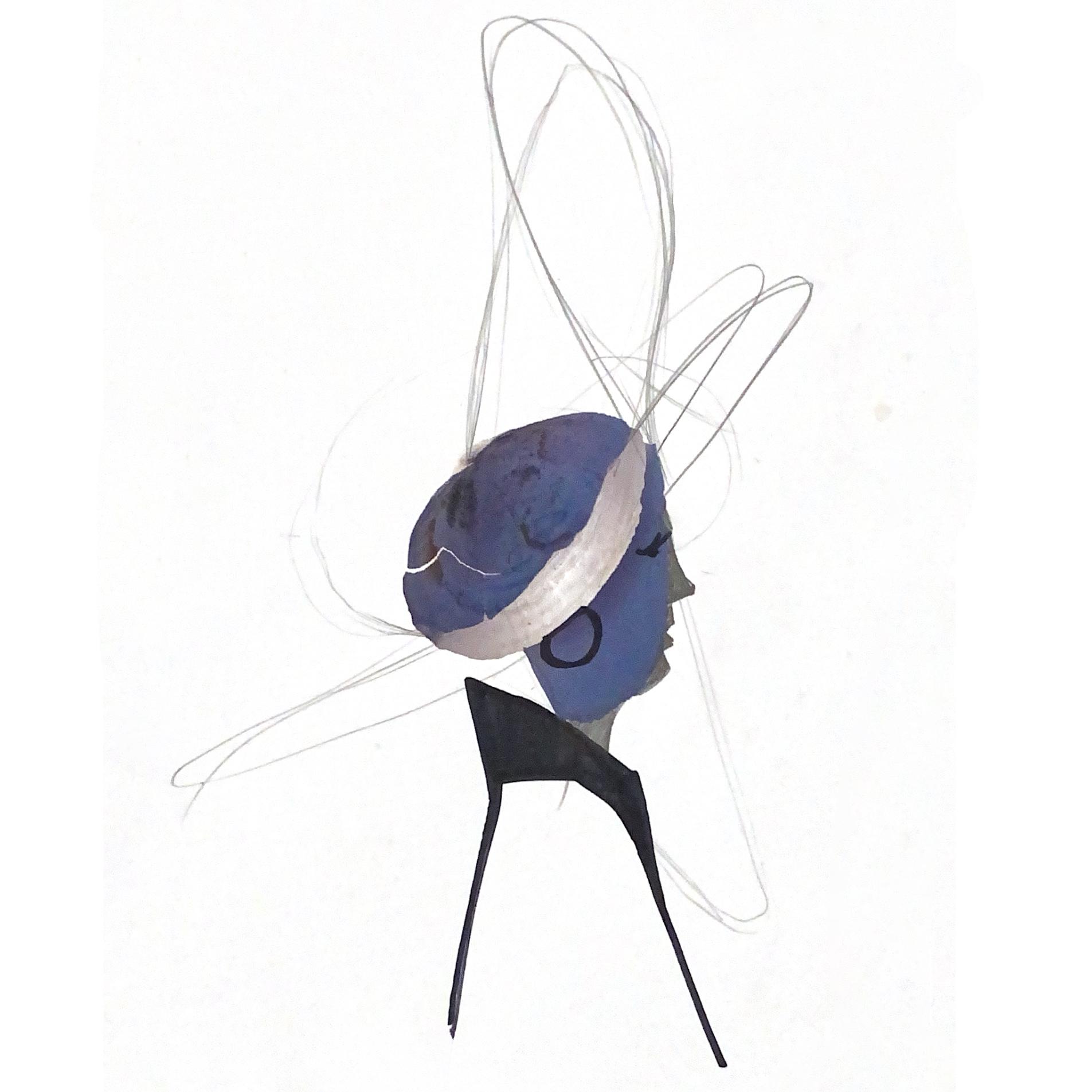
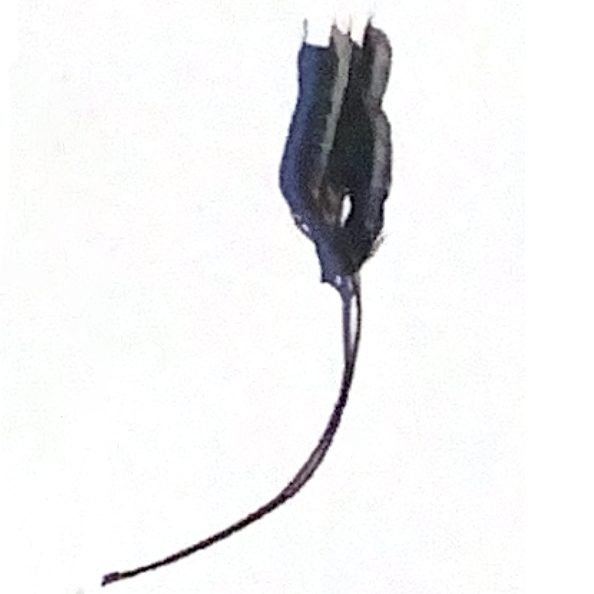
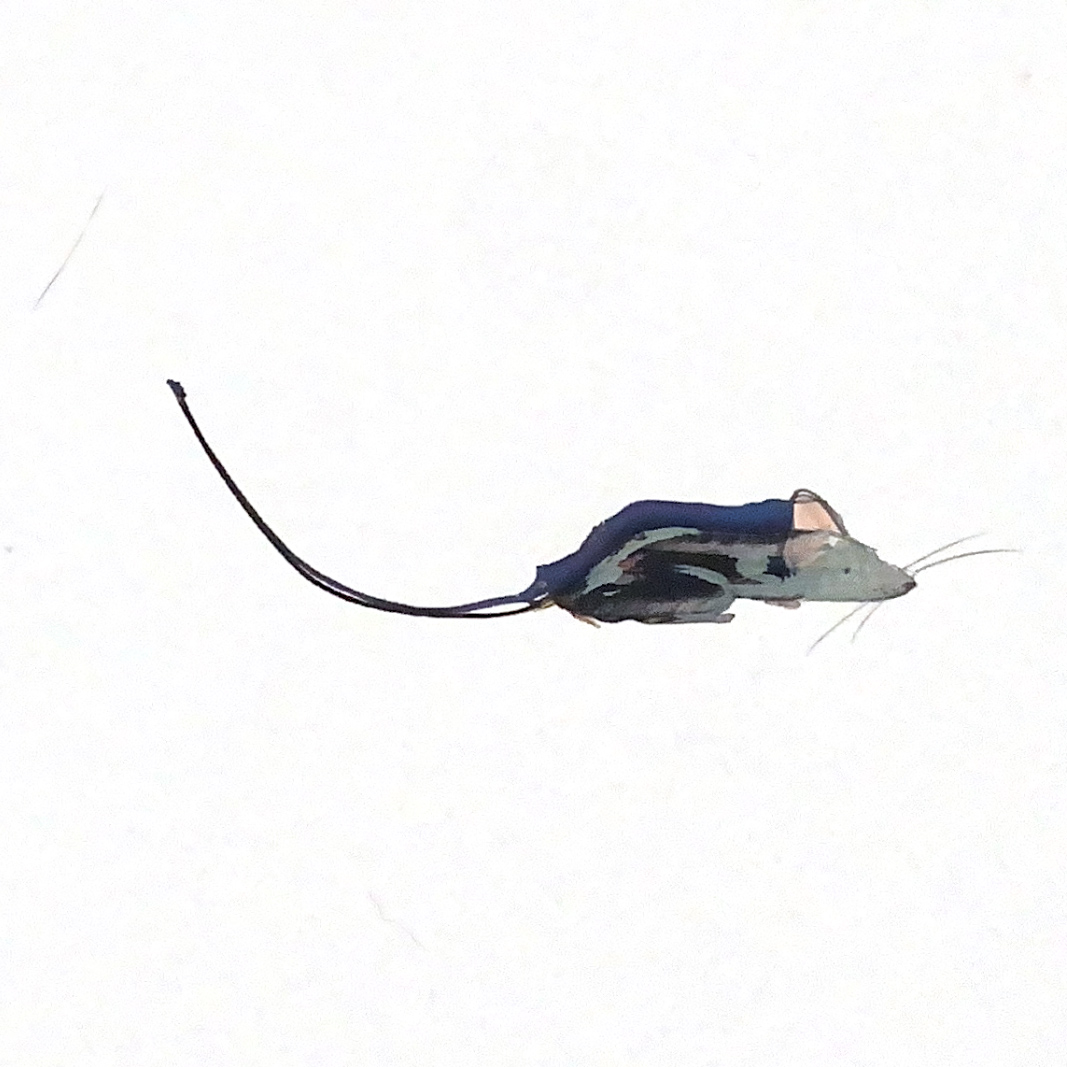
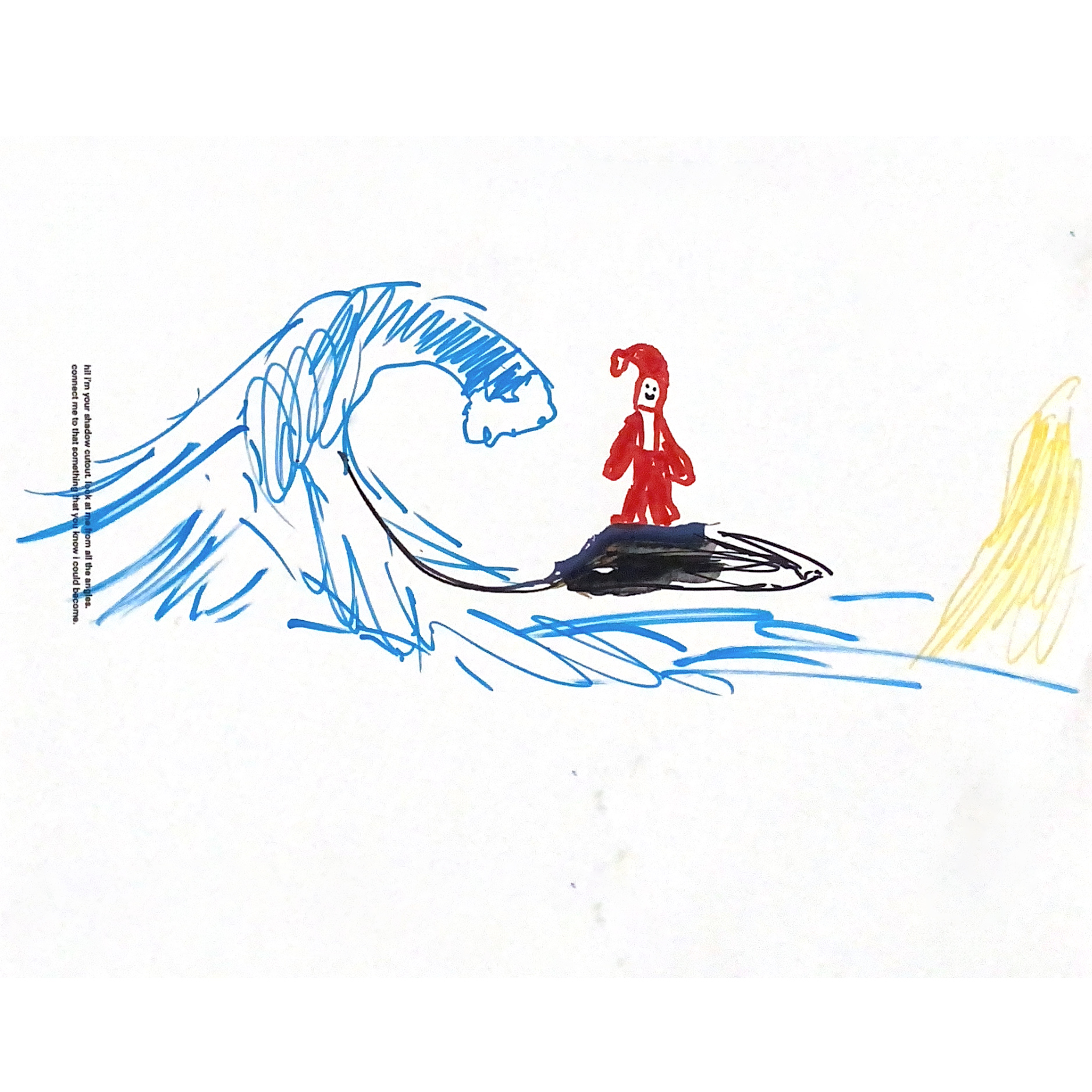
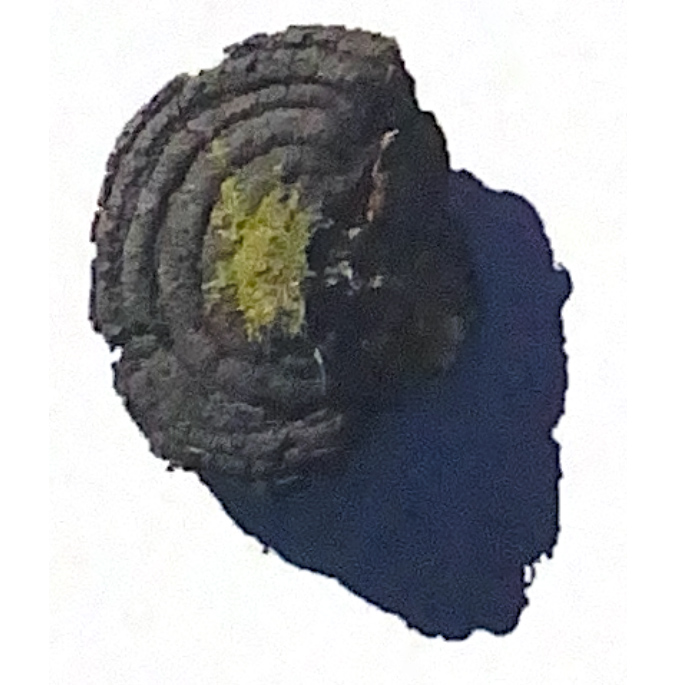
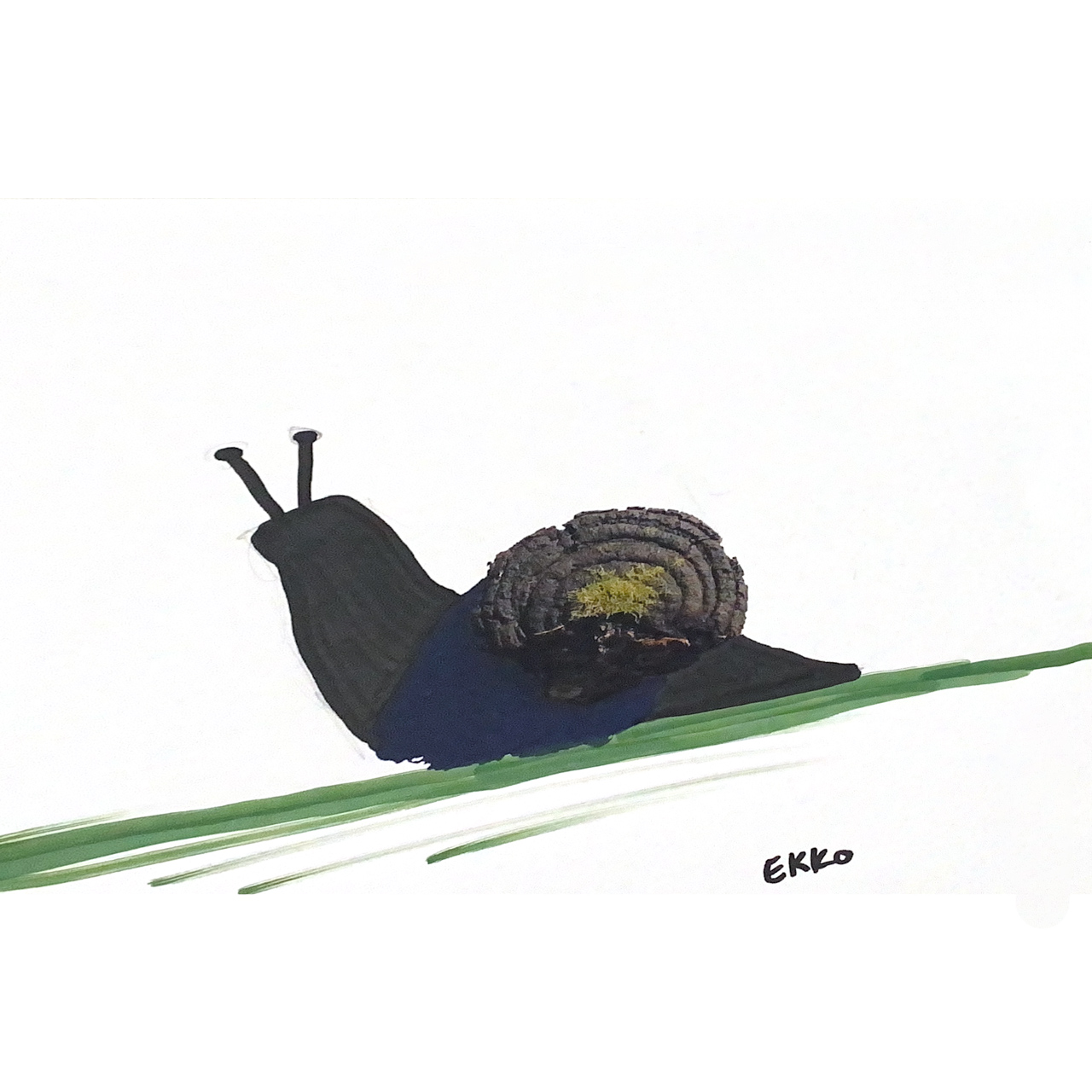
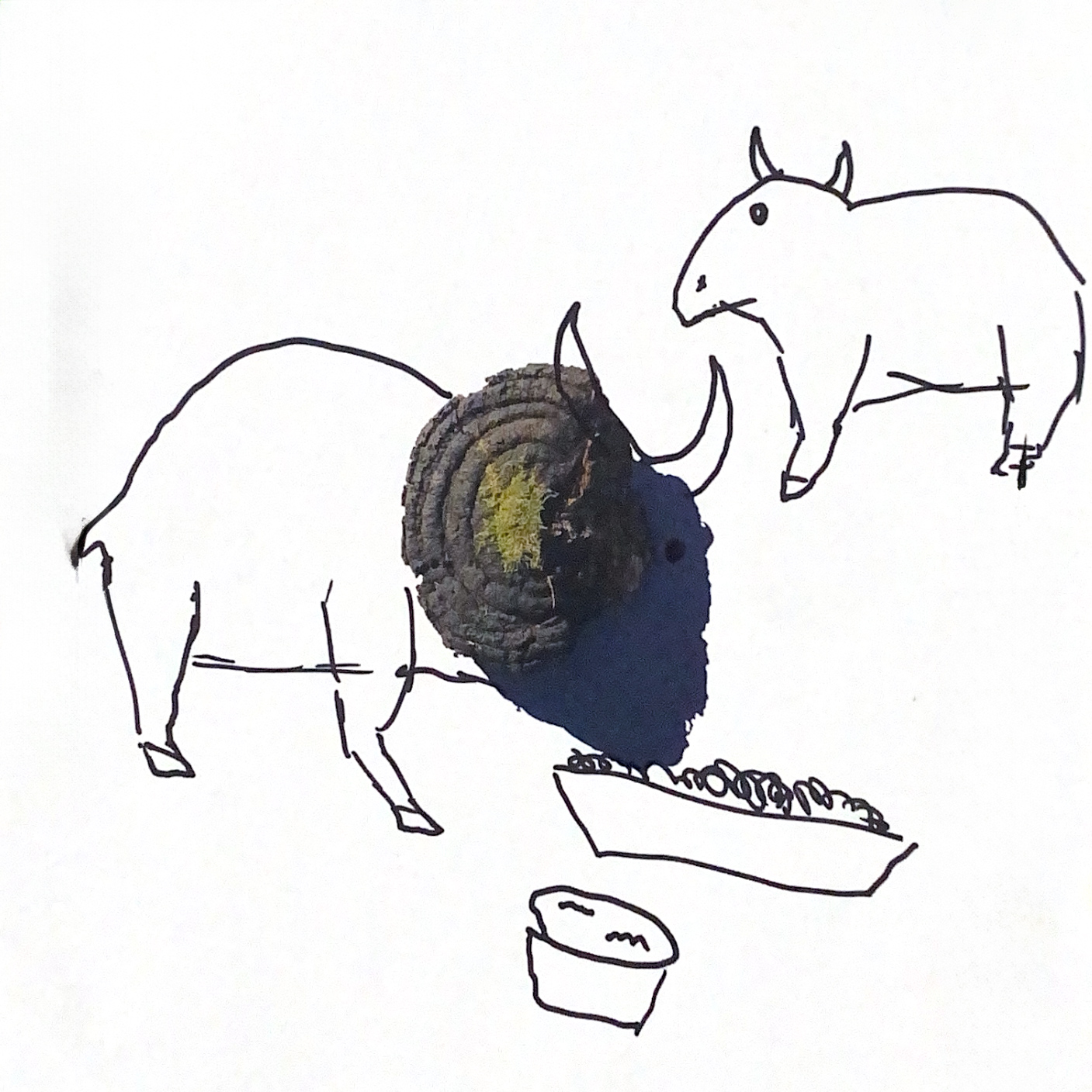
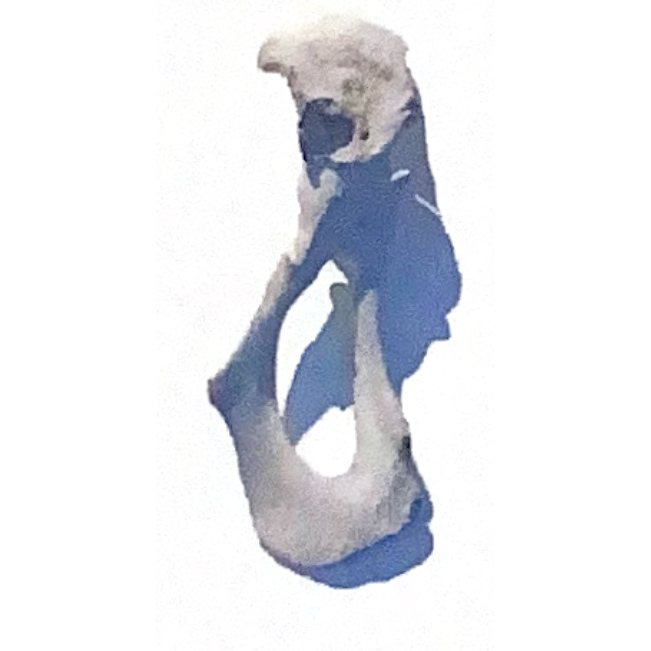
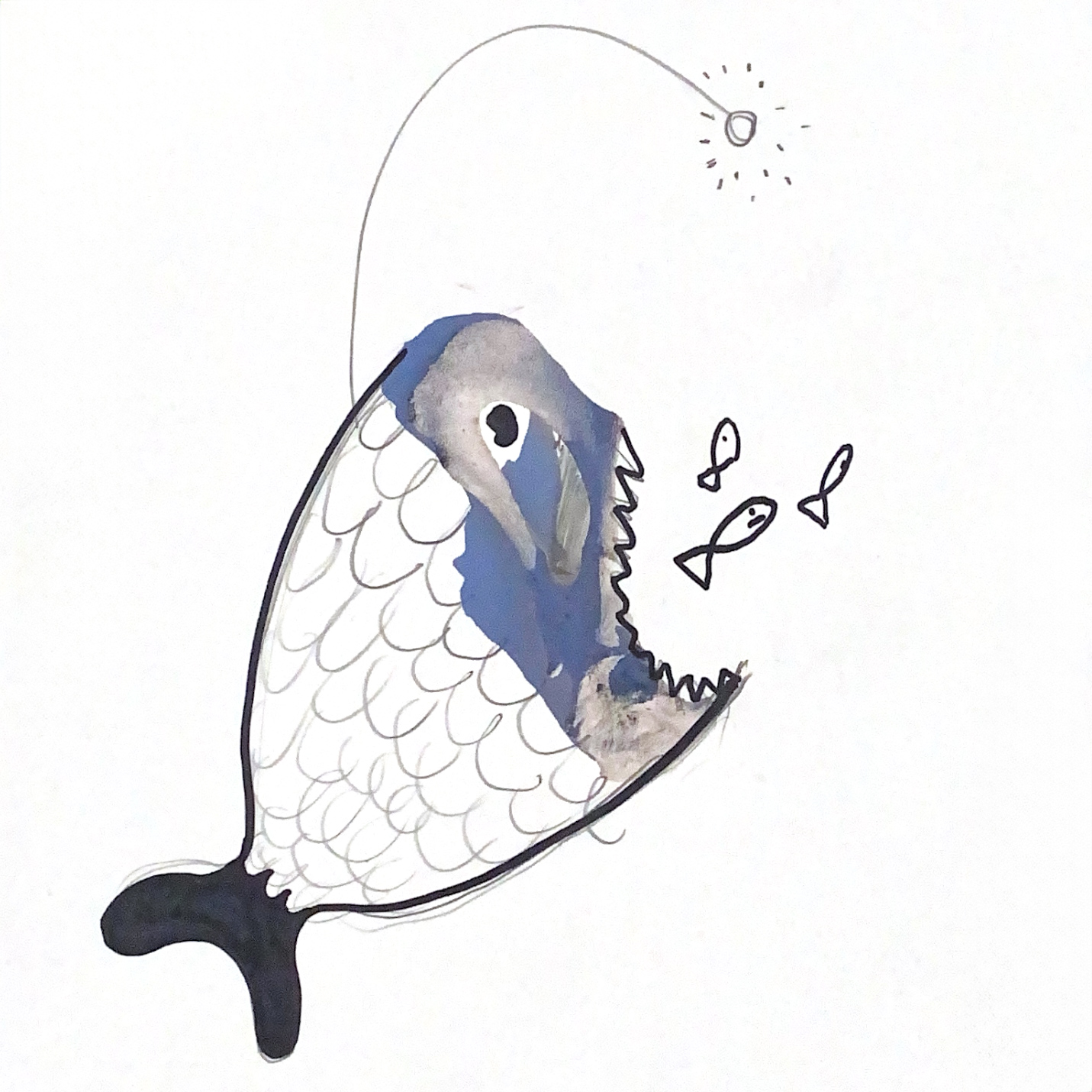
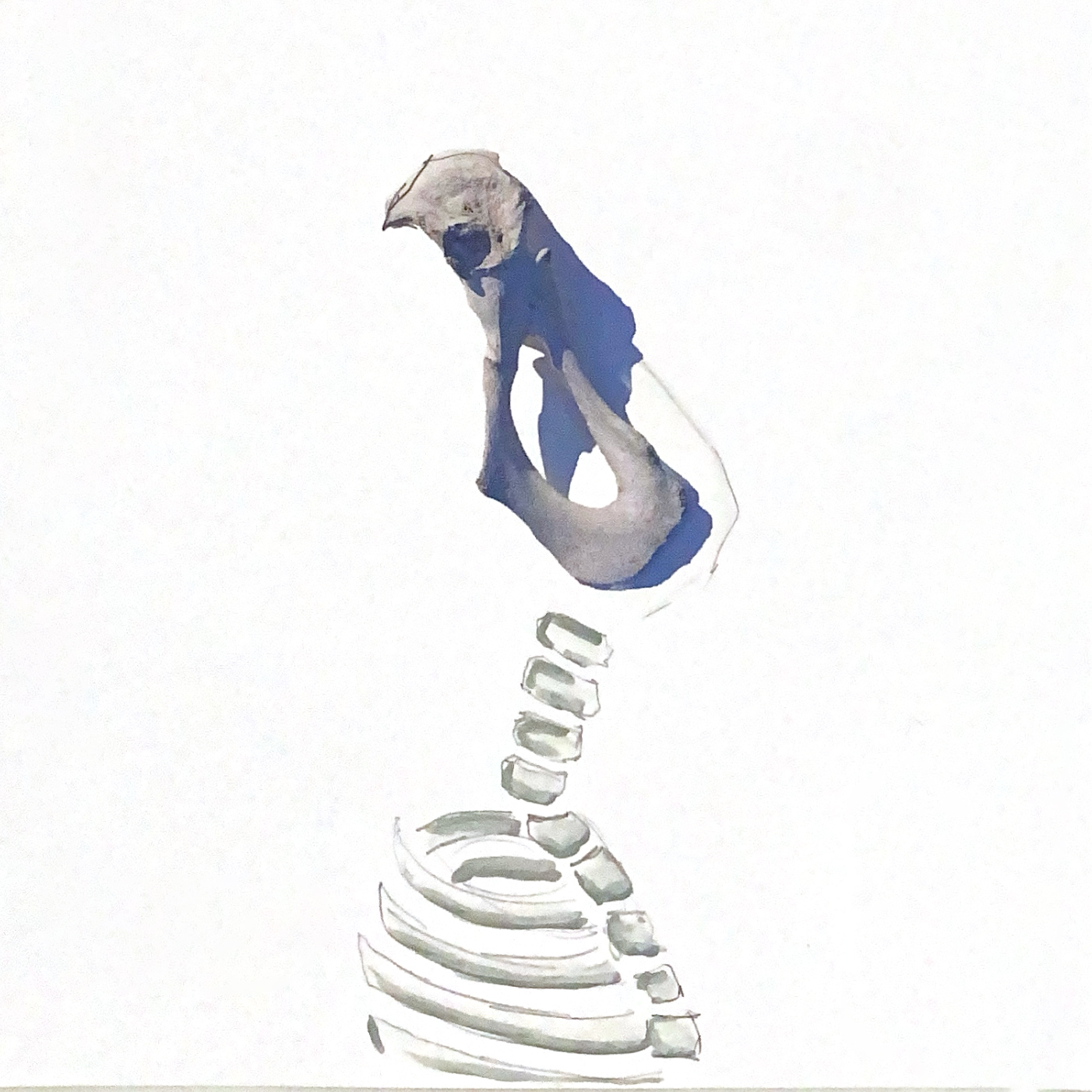
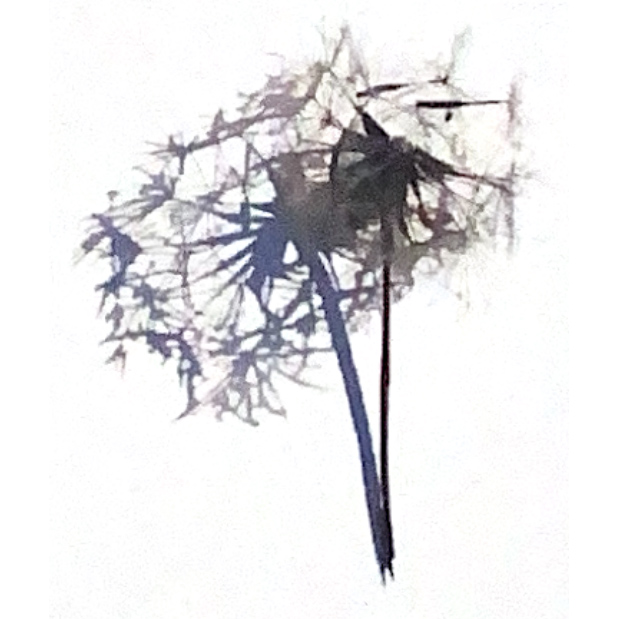
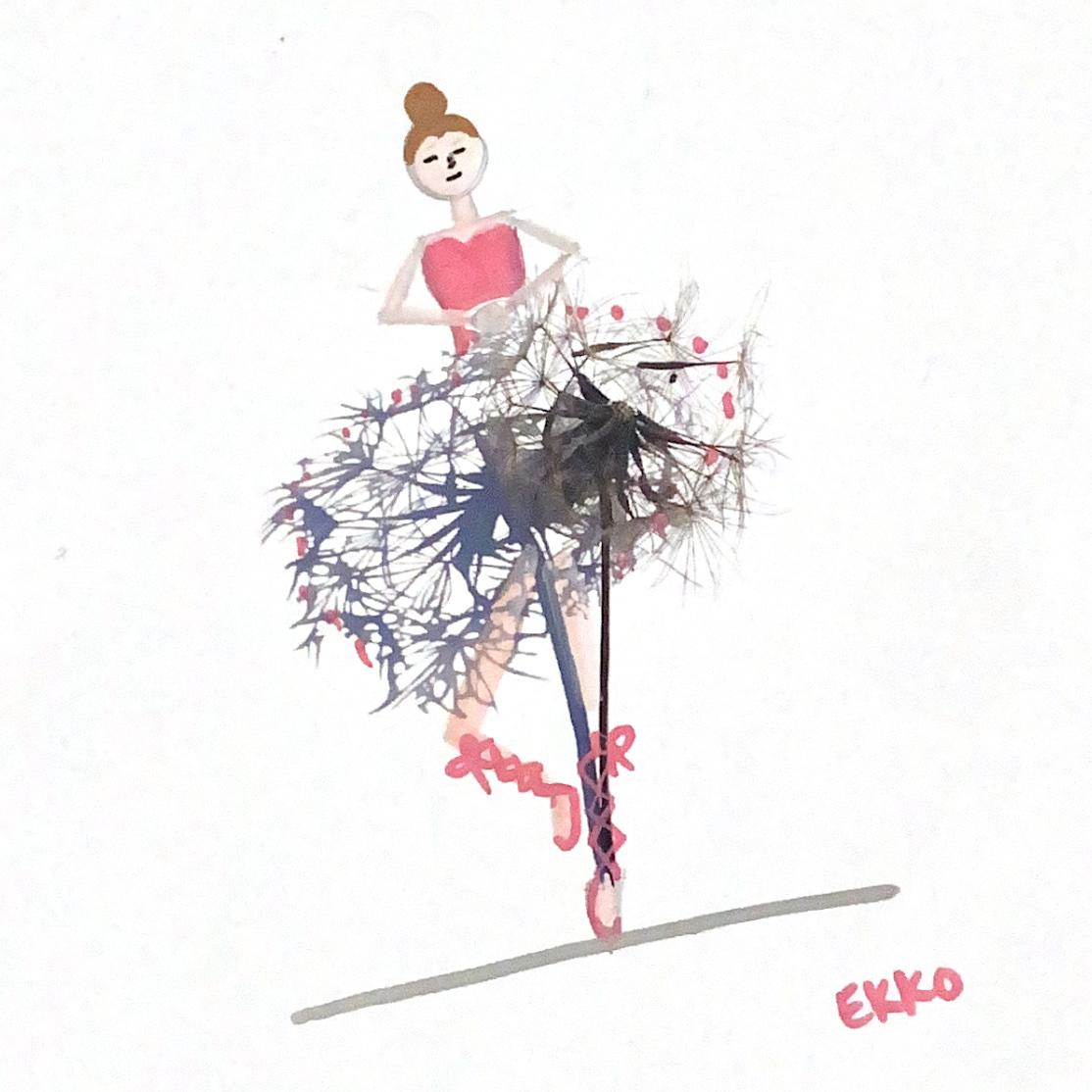
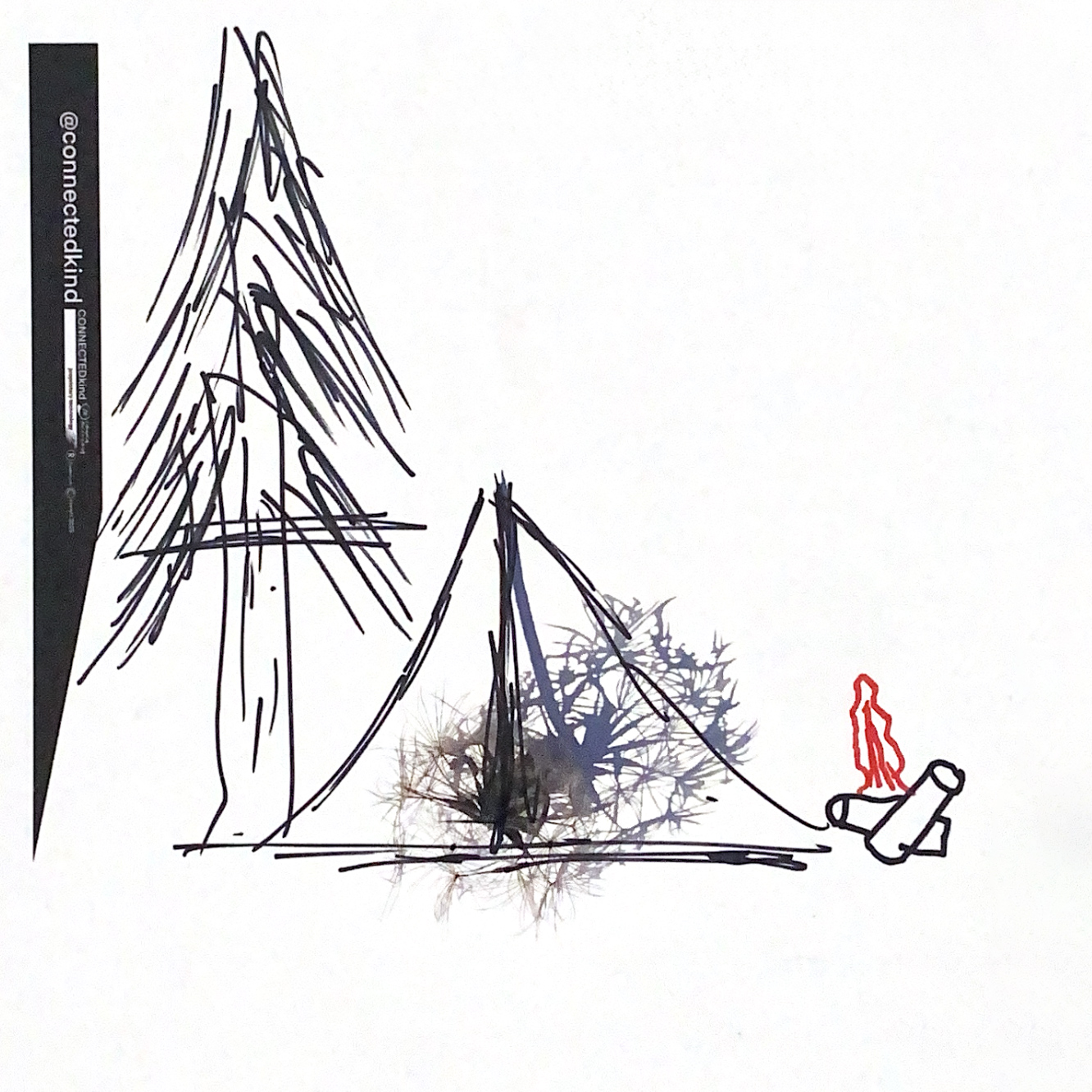
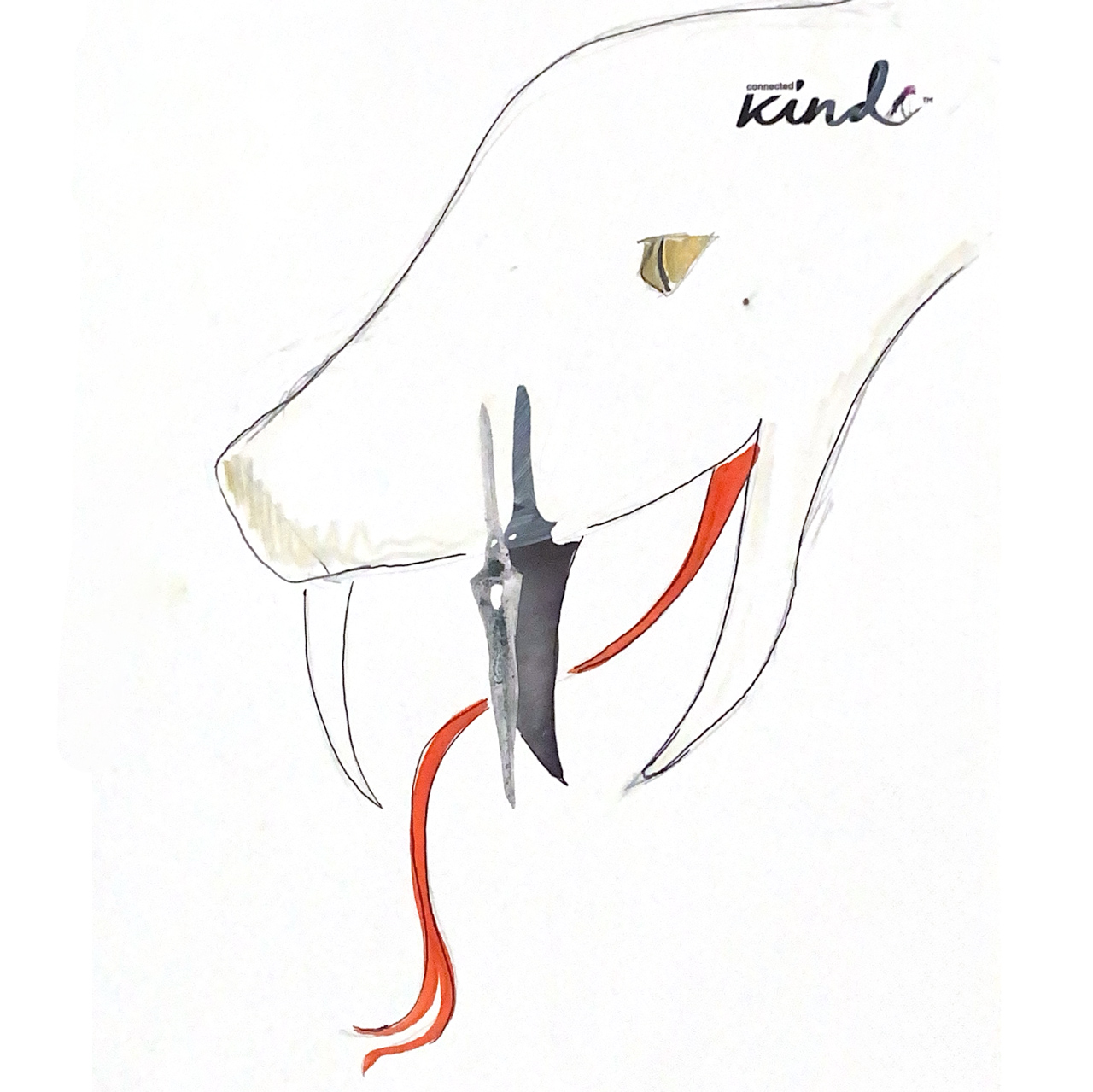
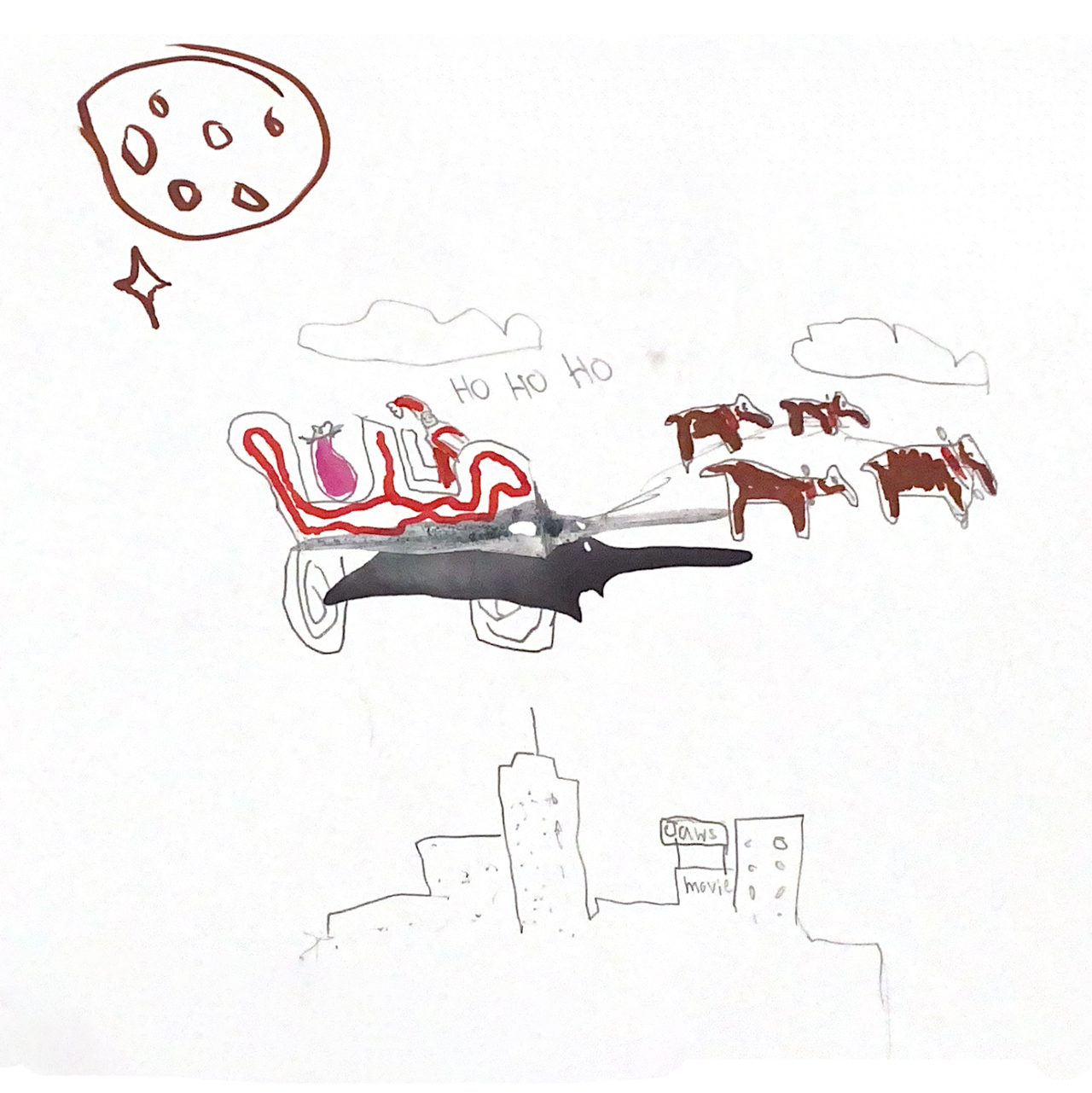
Photo Materials Gallery
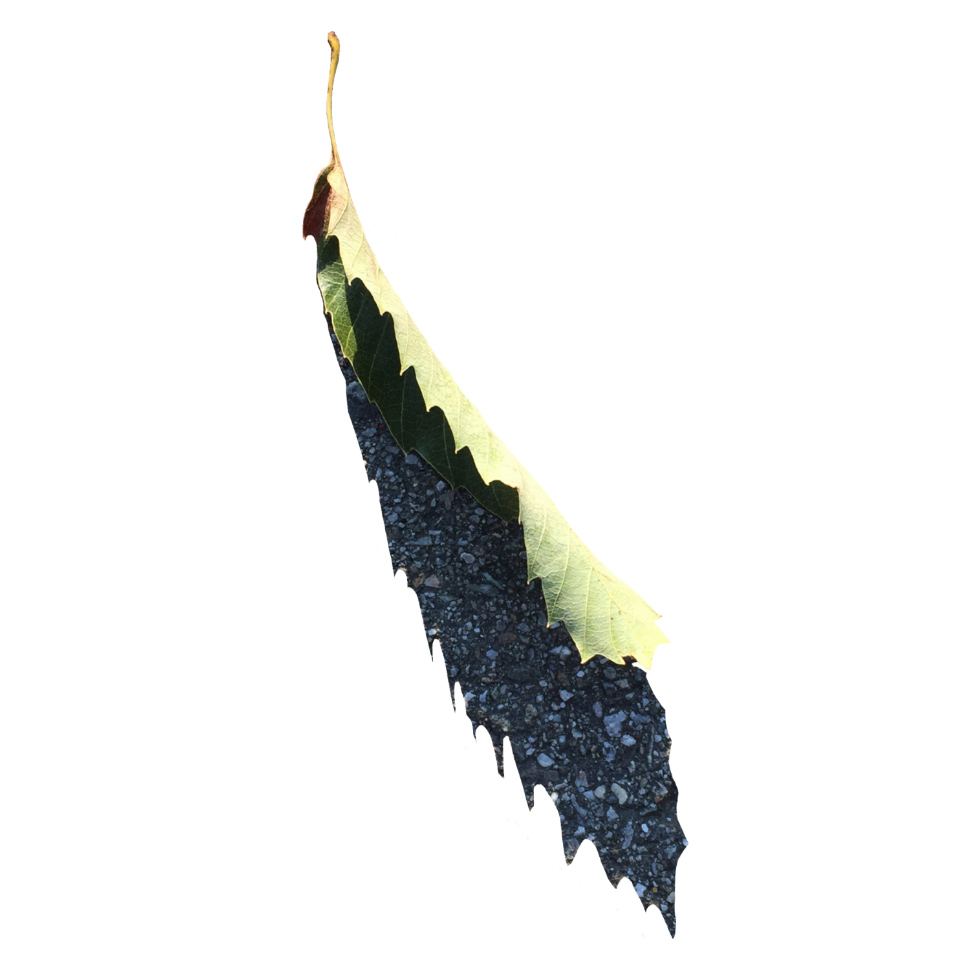
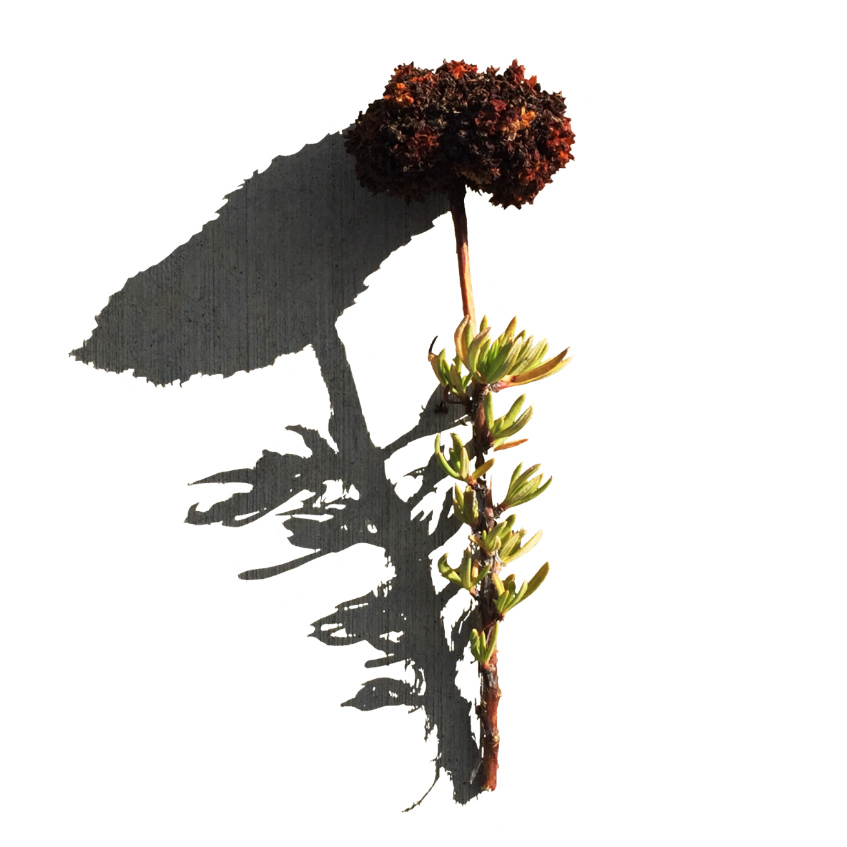
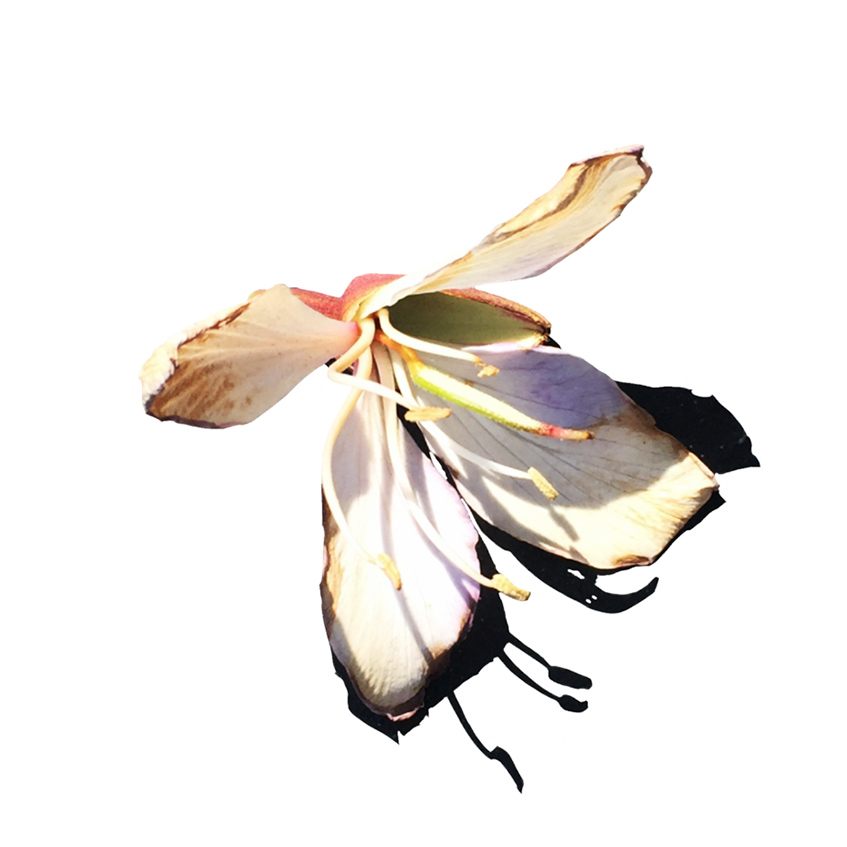
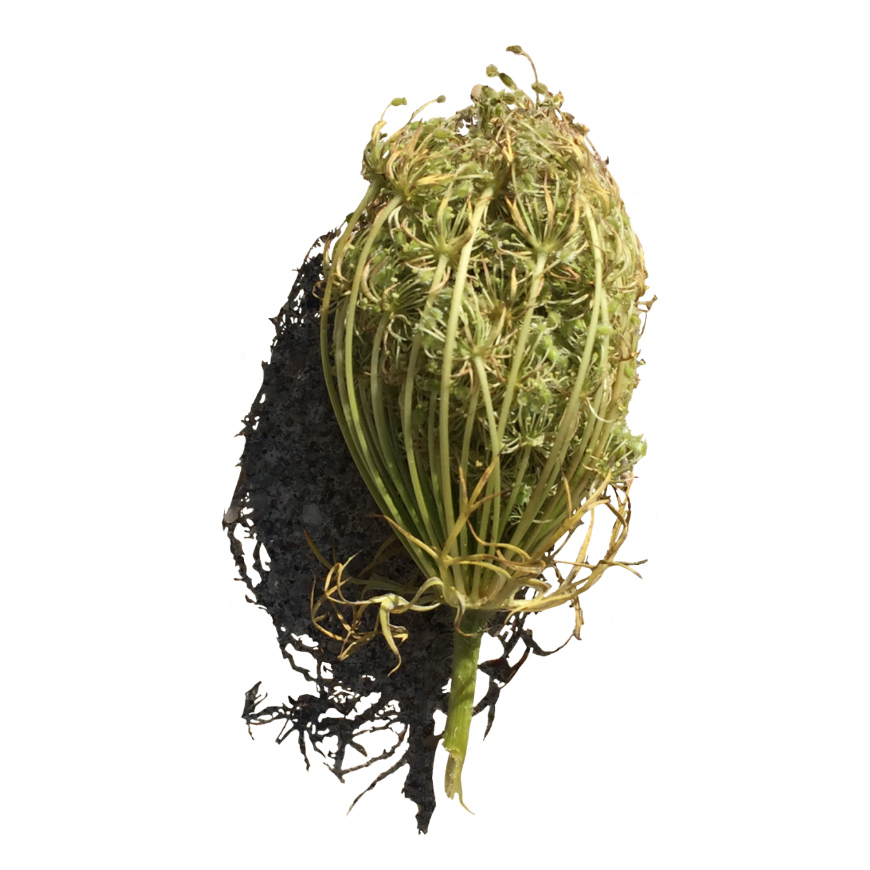
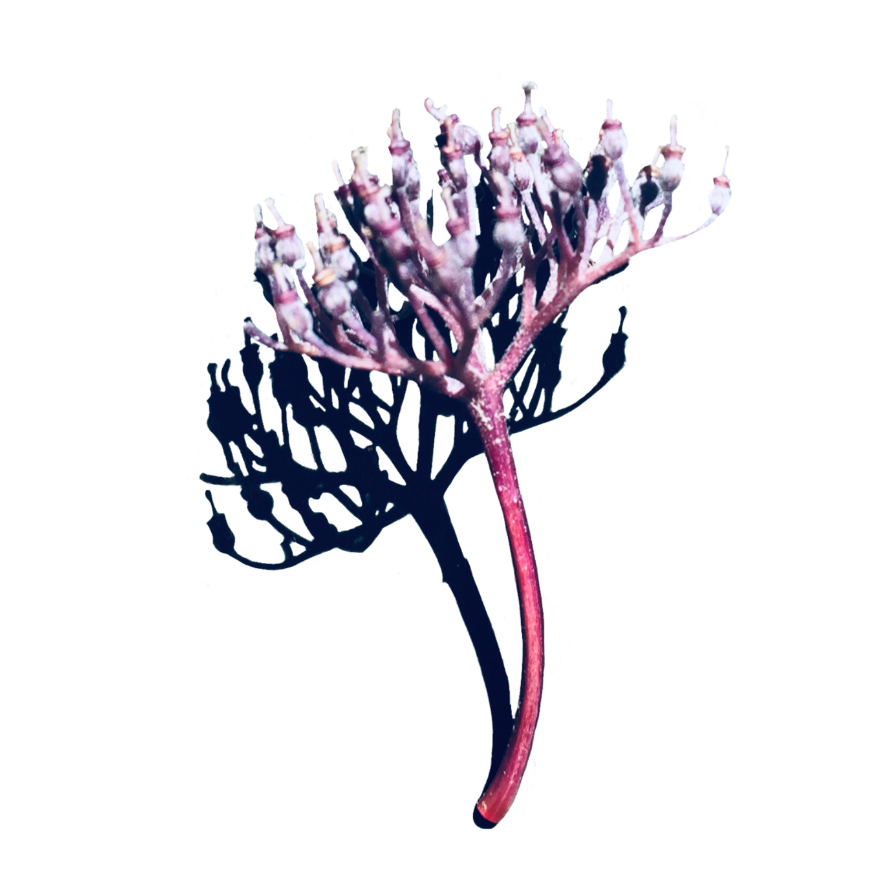
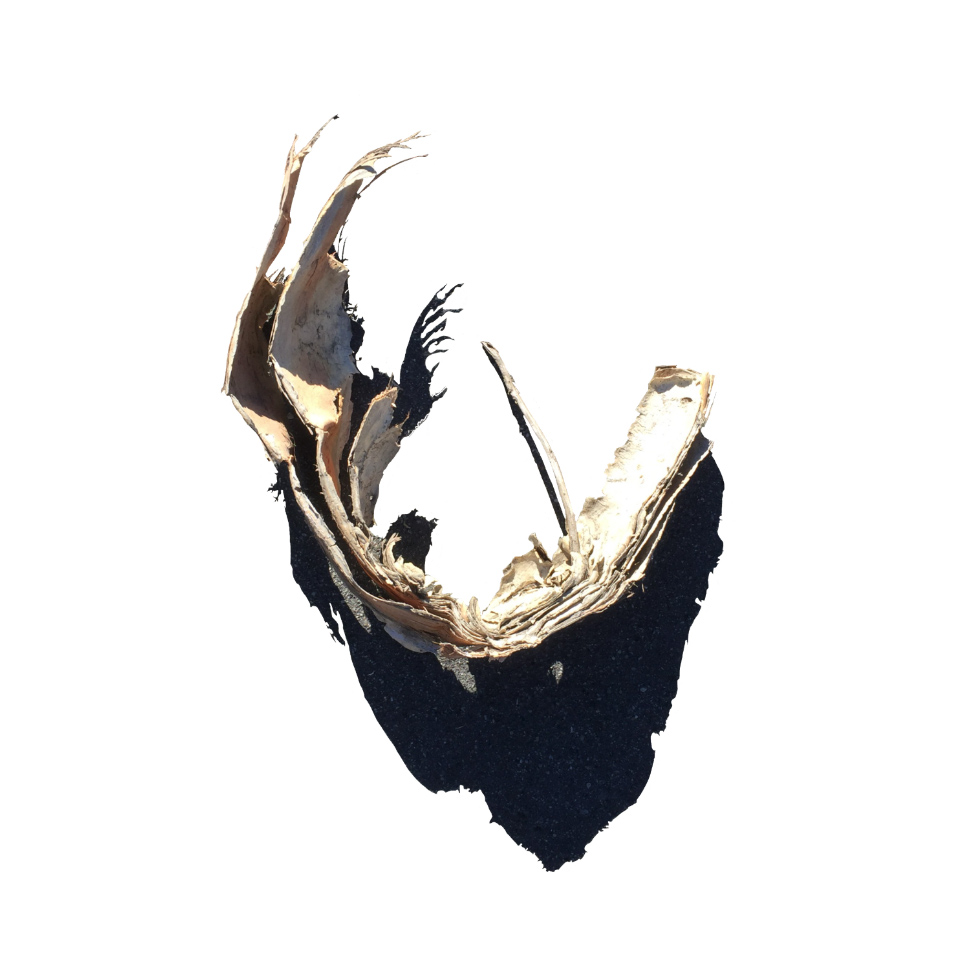
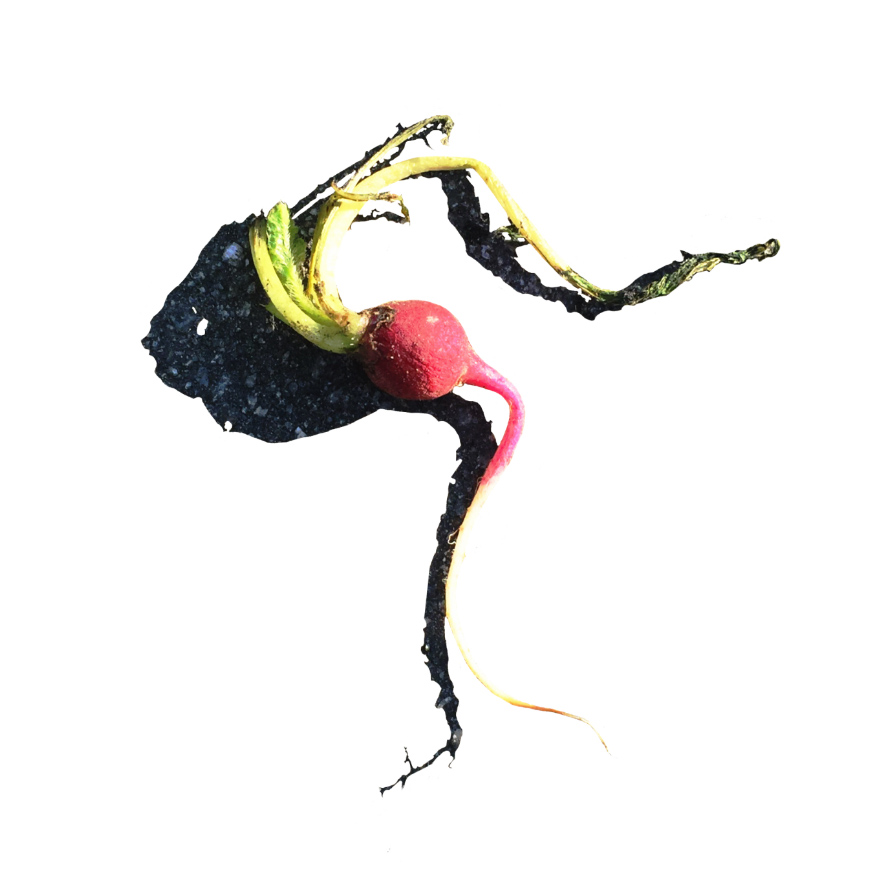
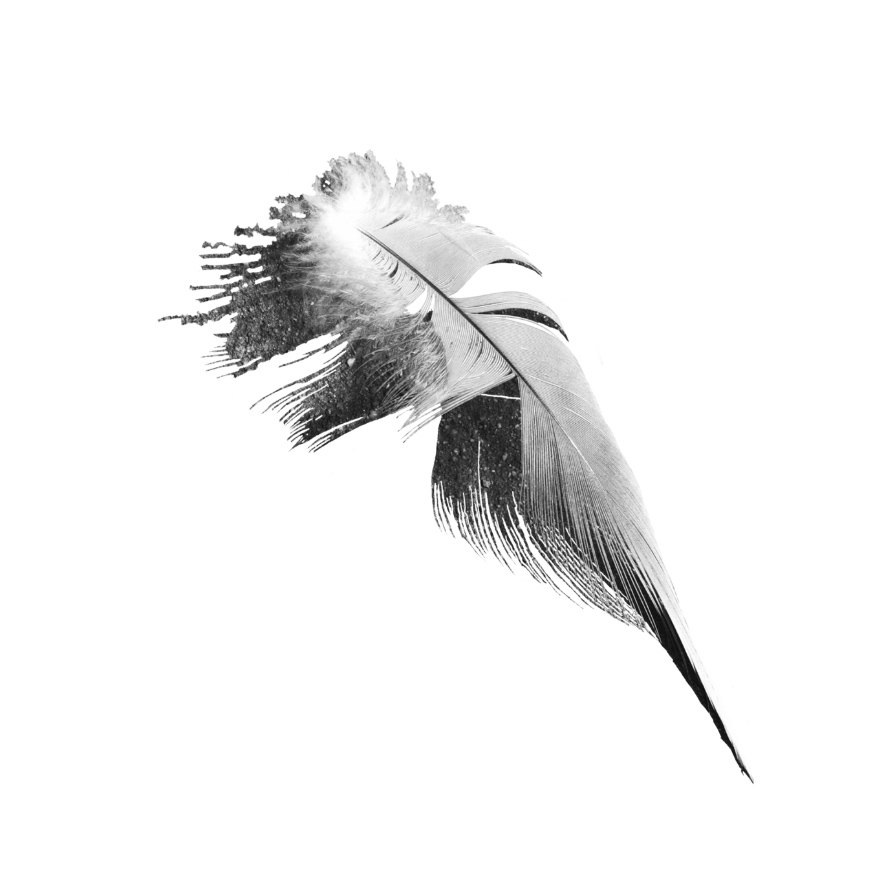
Materials Provided by Takashi Konishi
These materials are provided by Takashi Konishi, who is based in “Gūtara Village” in Hokuto, Yamanashi Prefecture, where he works as a forest guide and a photographer, etc. Enjoy the world of light and shadow found in natural objects encountered in the forests at the foot of the Southern Alps. Since the early days of CONNECTEDkind, Mr. Konishi has deeply resonated with its philosophy and kindly provided materials to support students who were struggling during the COVID-19 pandemic.
Examples of Droplets
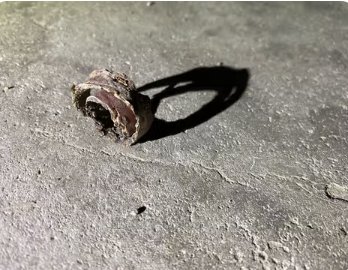
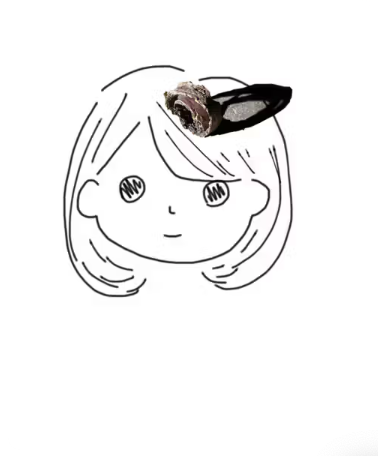
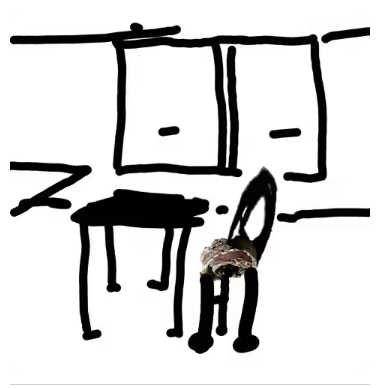
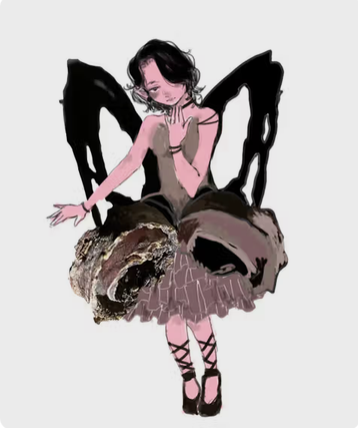
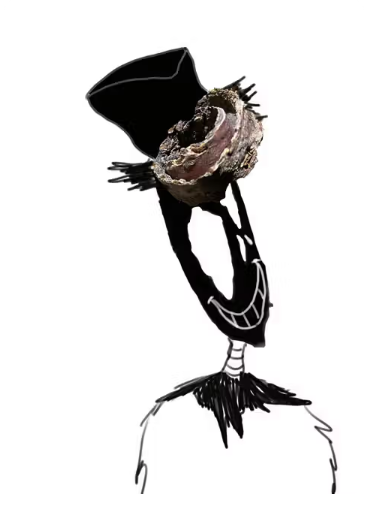
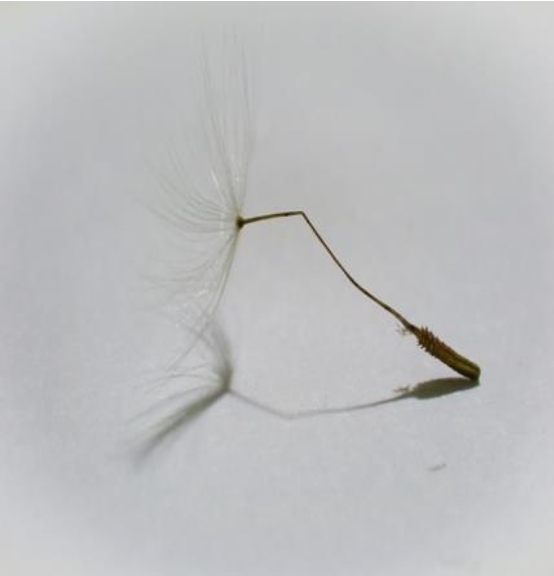
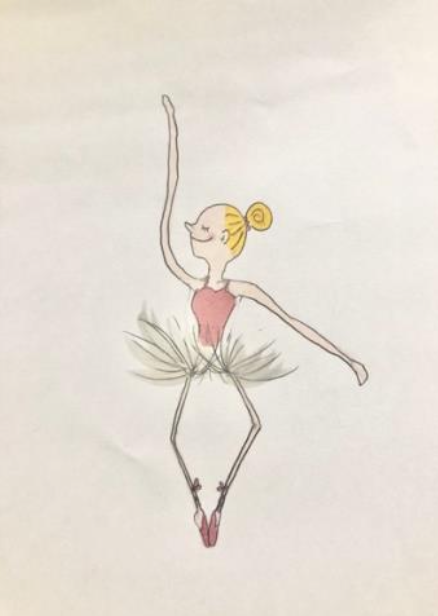
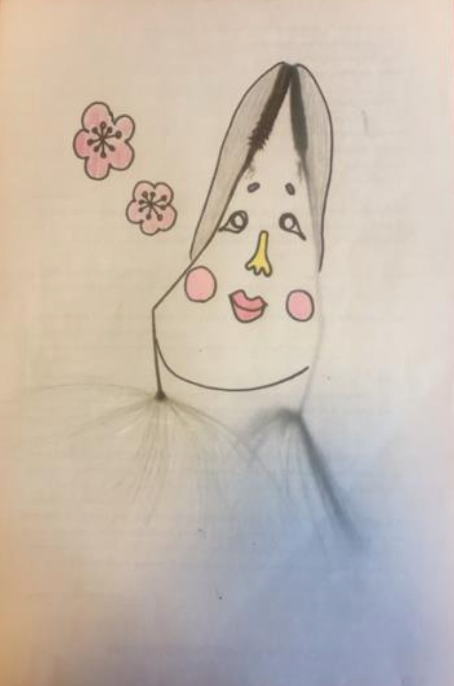
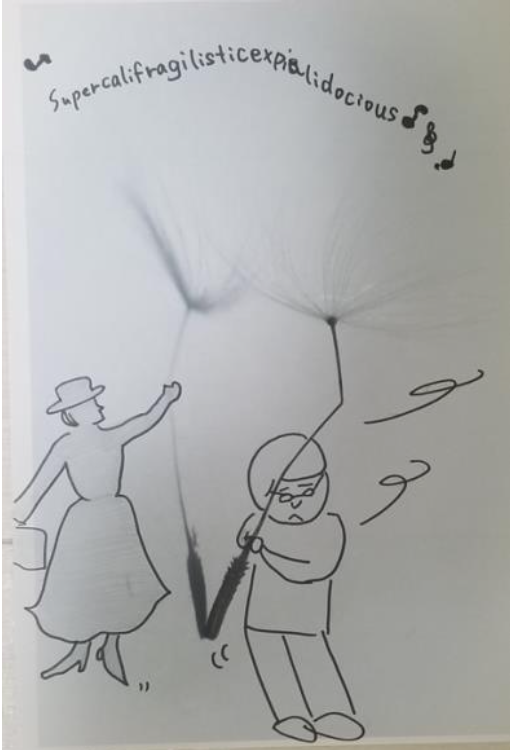
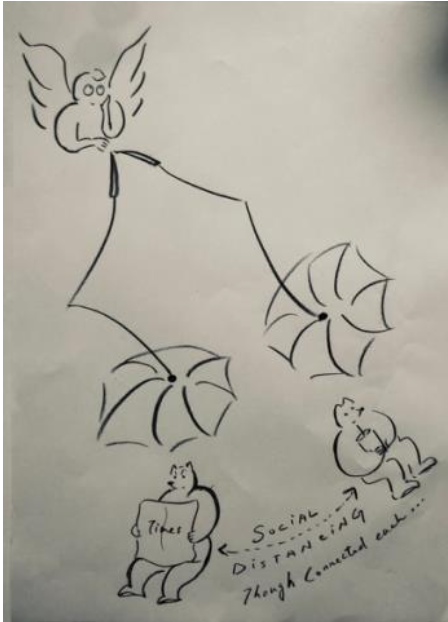
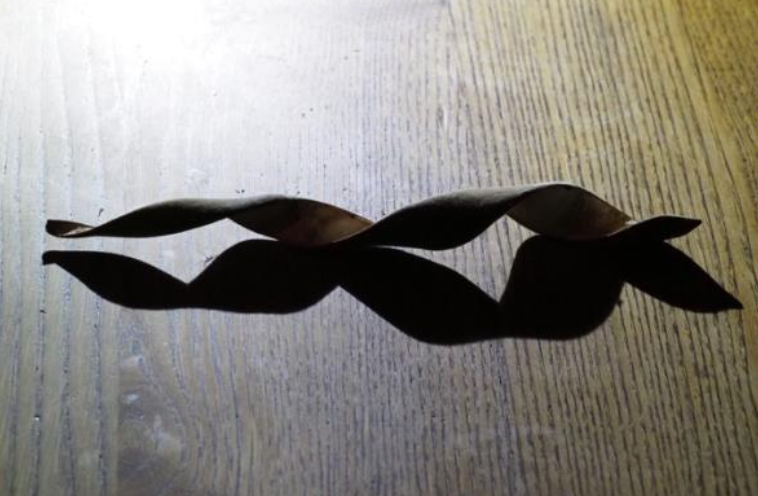
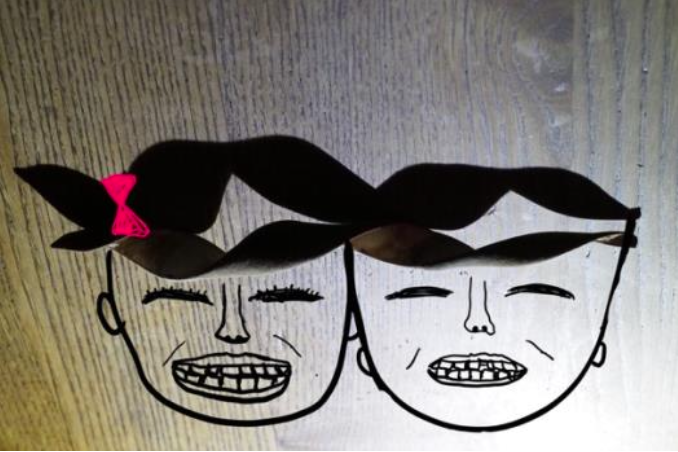
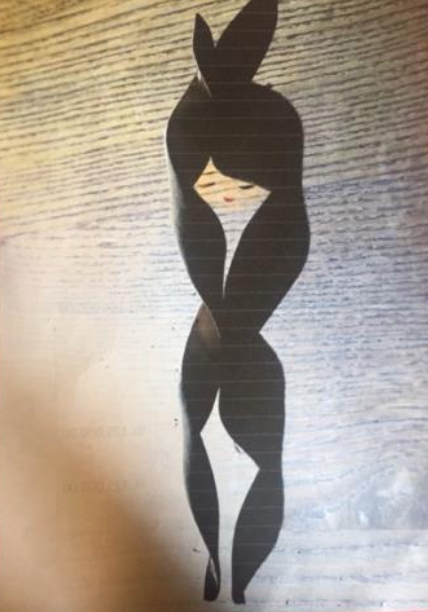
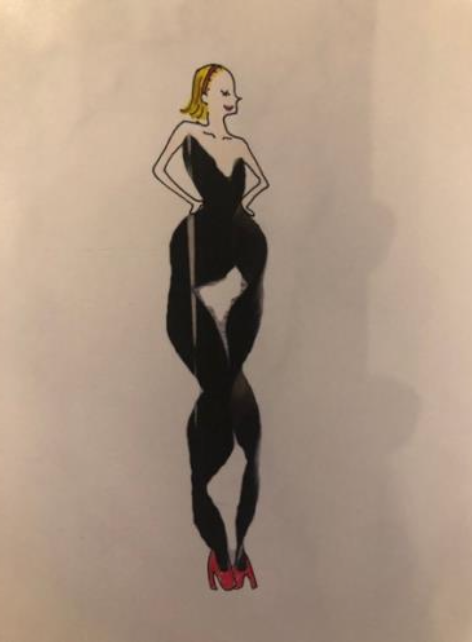
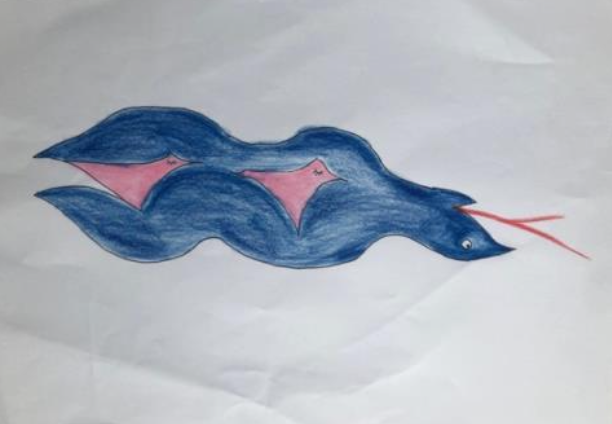
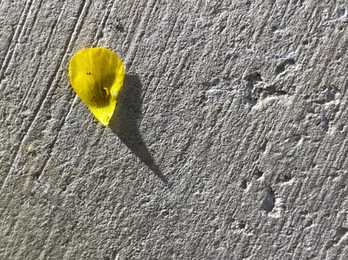
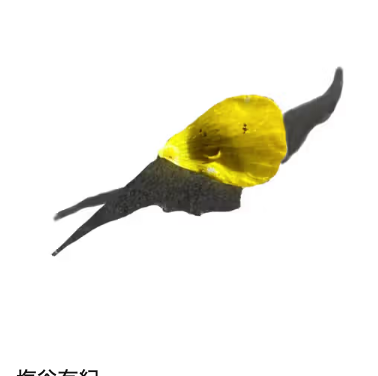
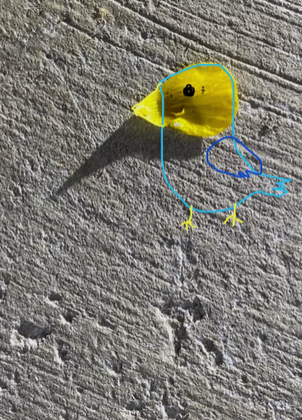
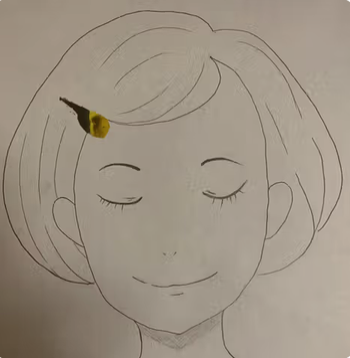
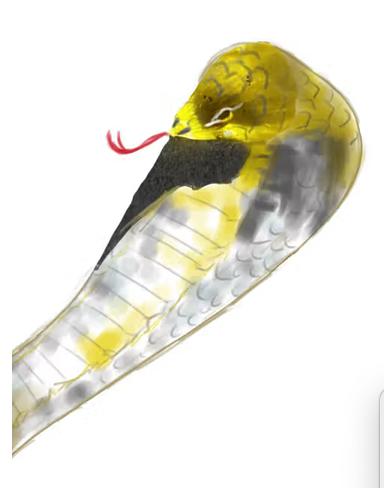
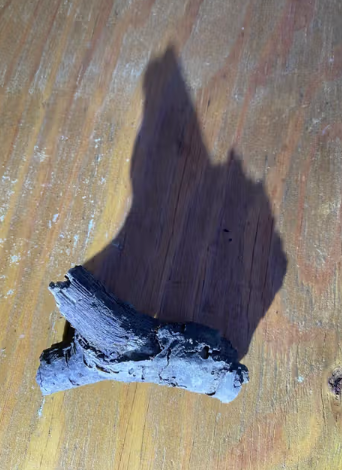
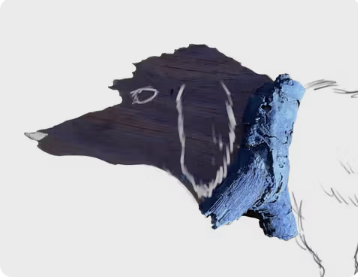
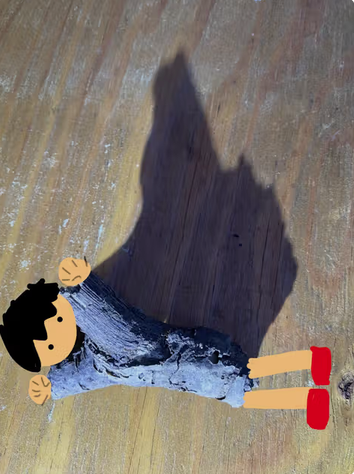
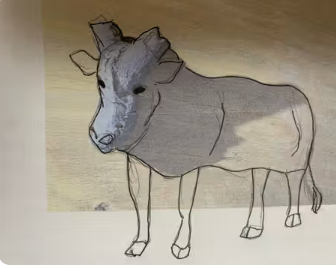
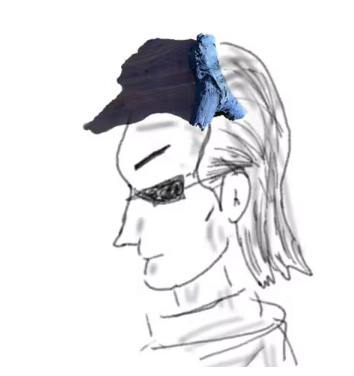
Photo Materials Gallery
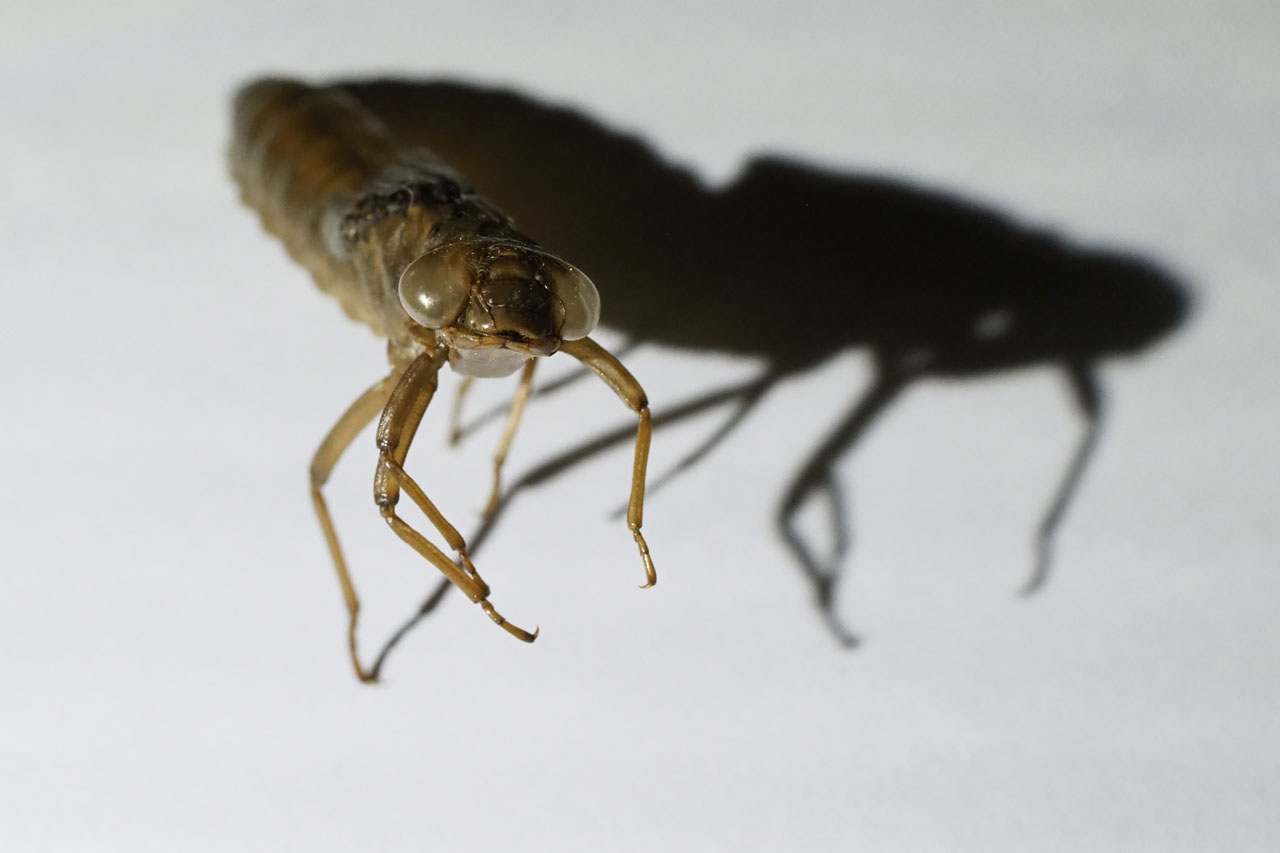
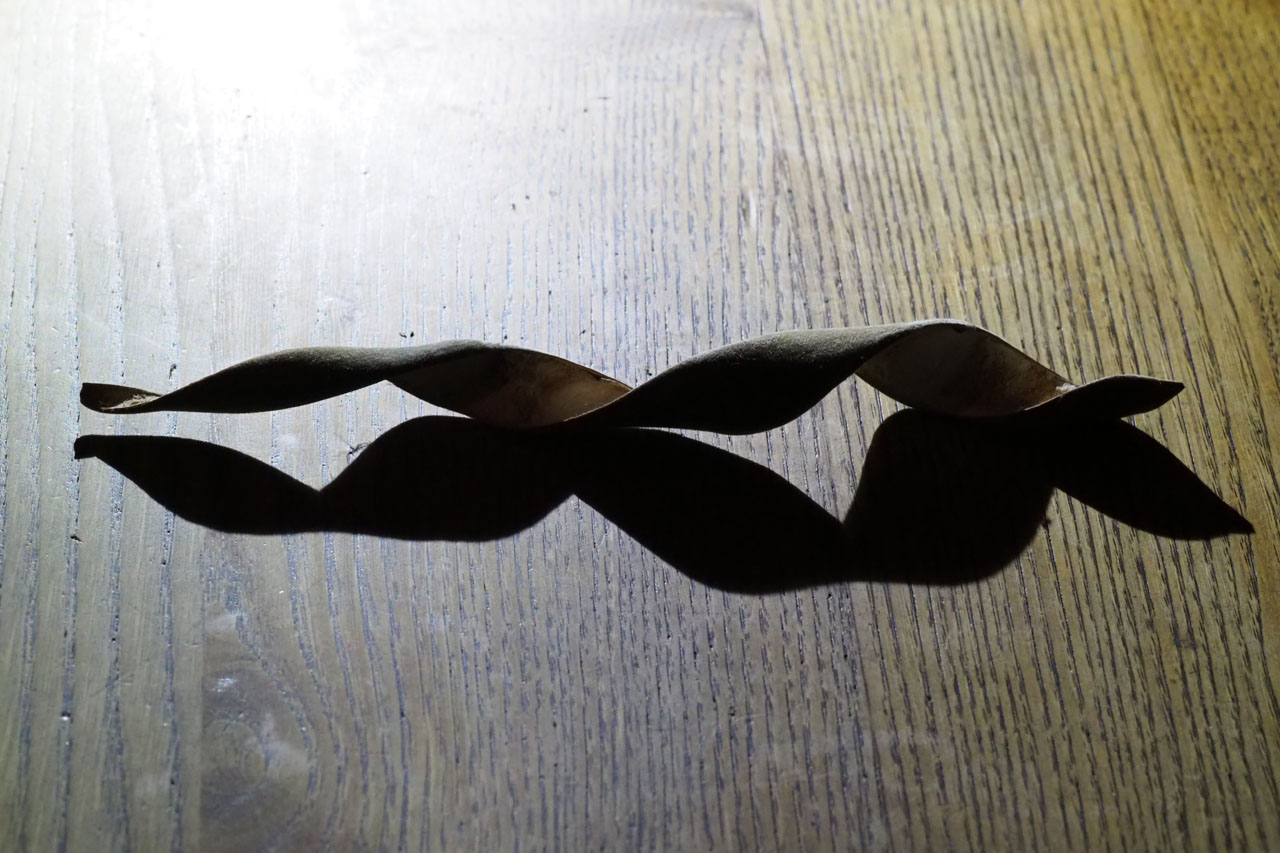
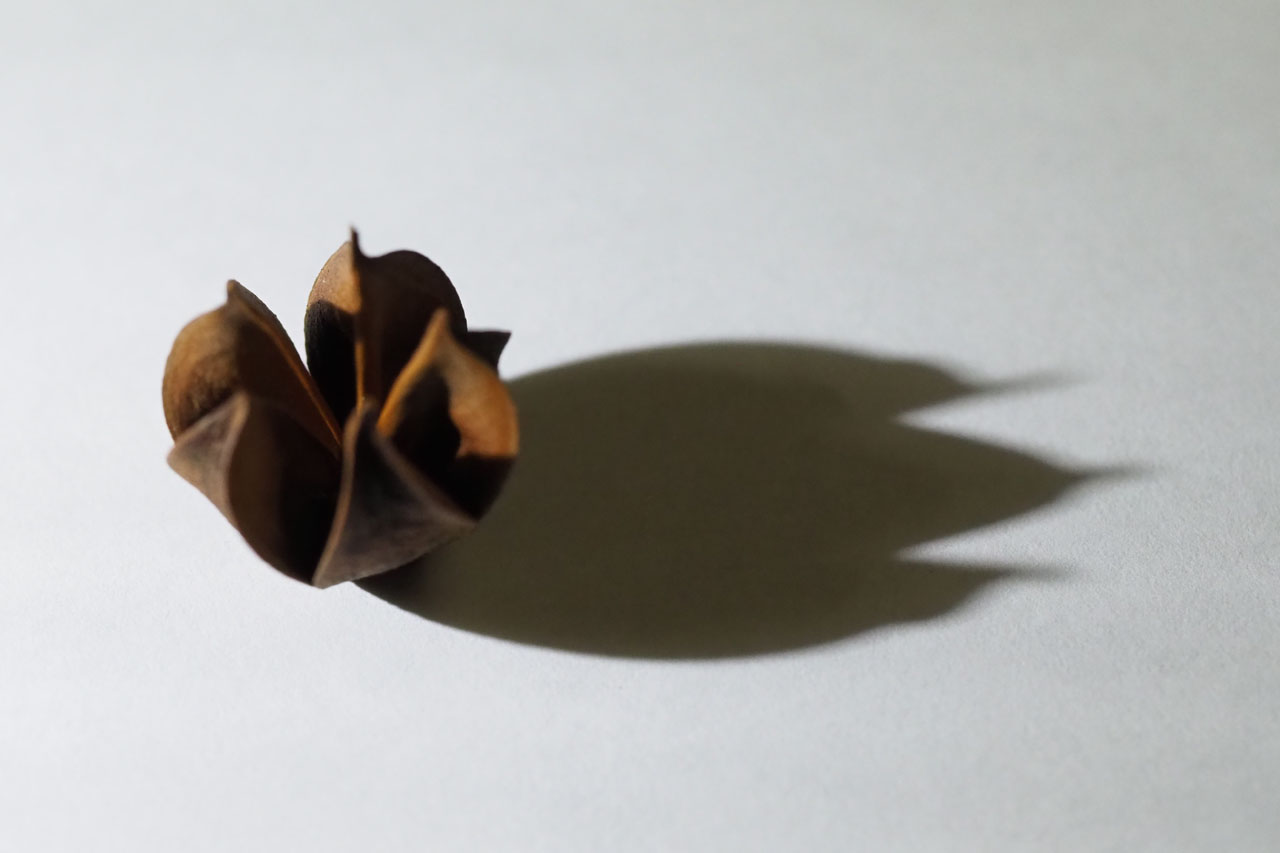
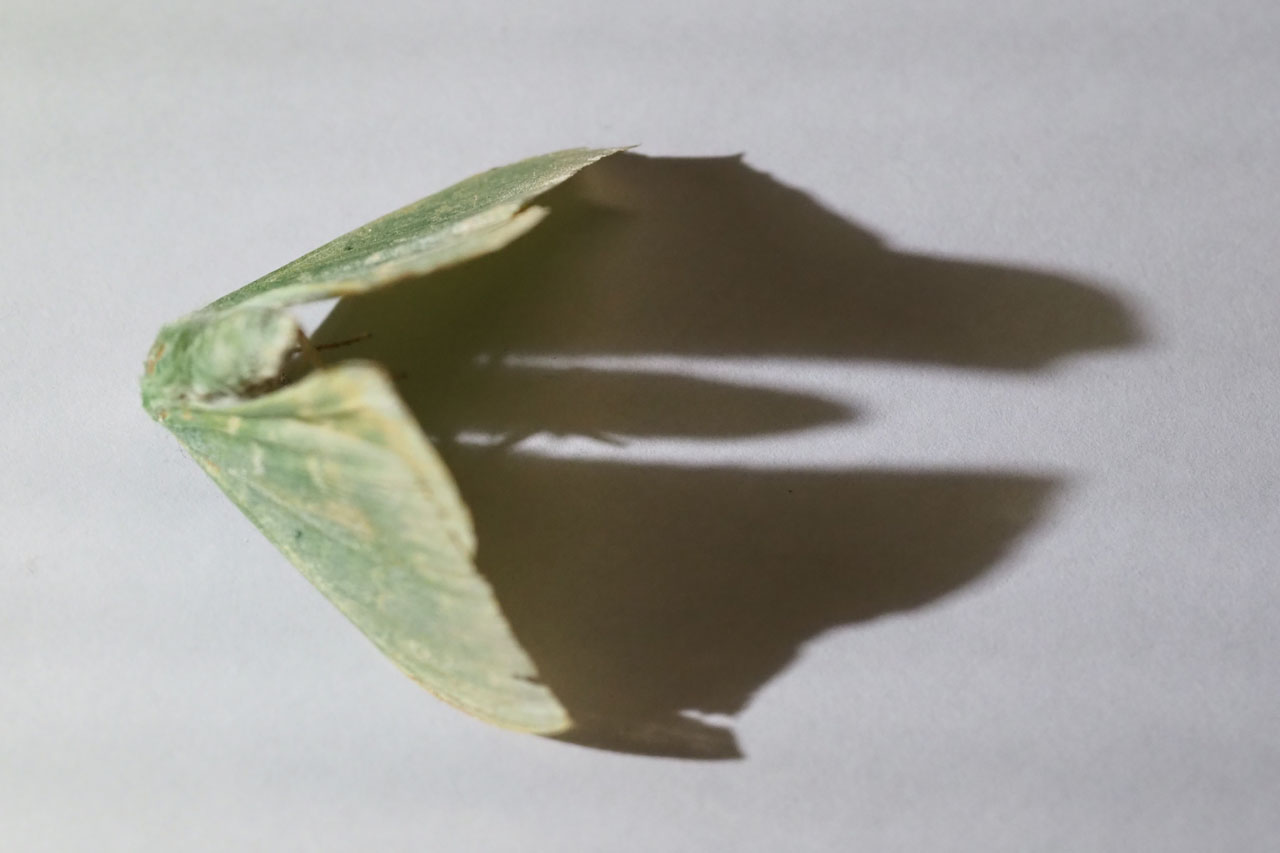
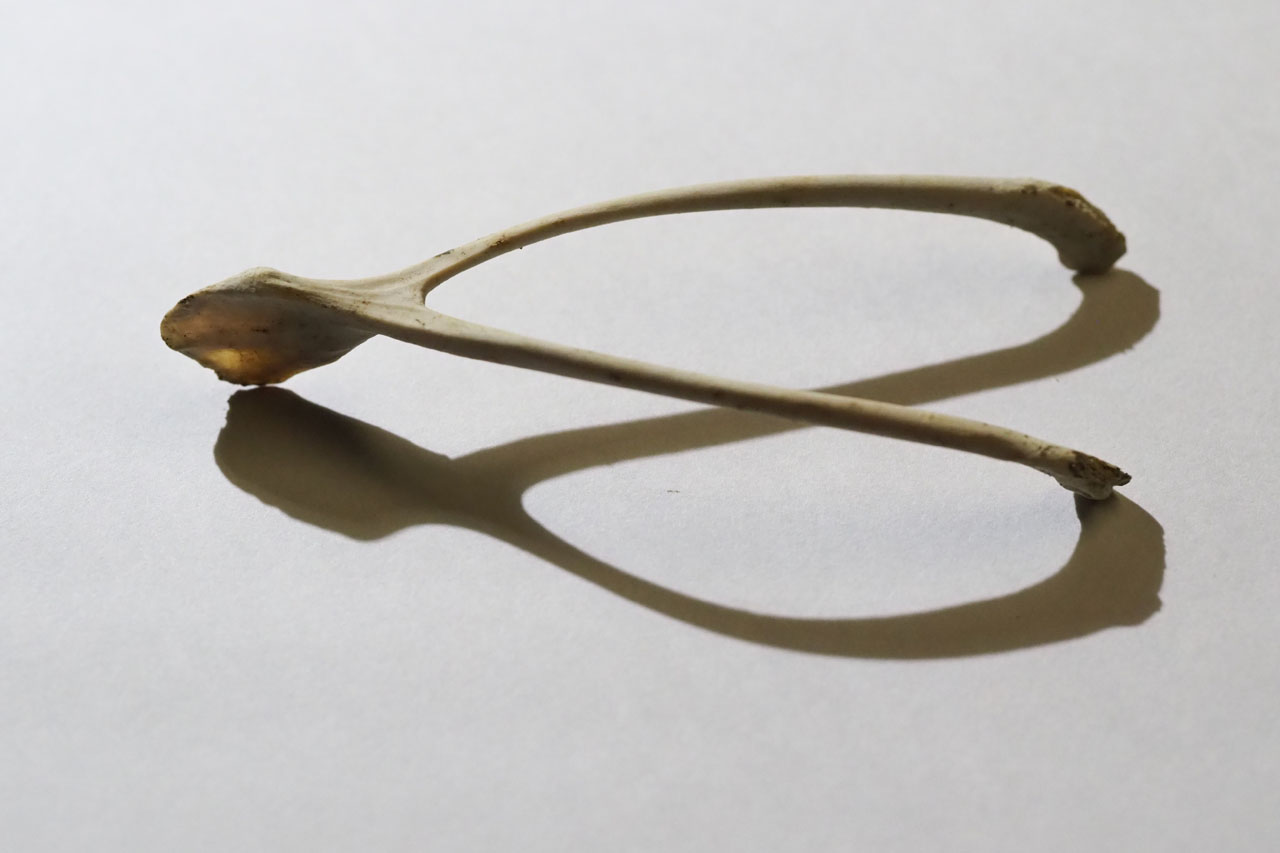
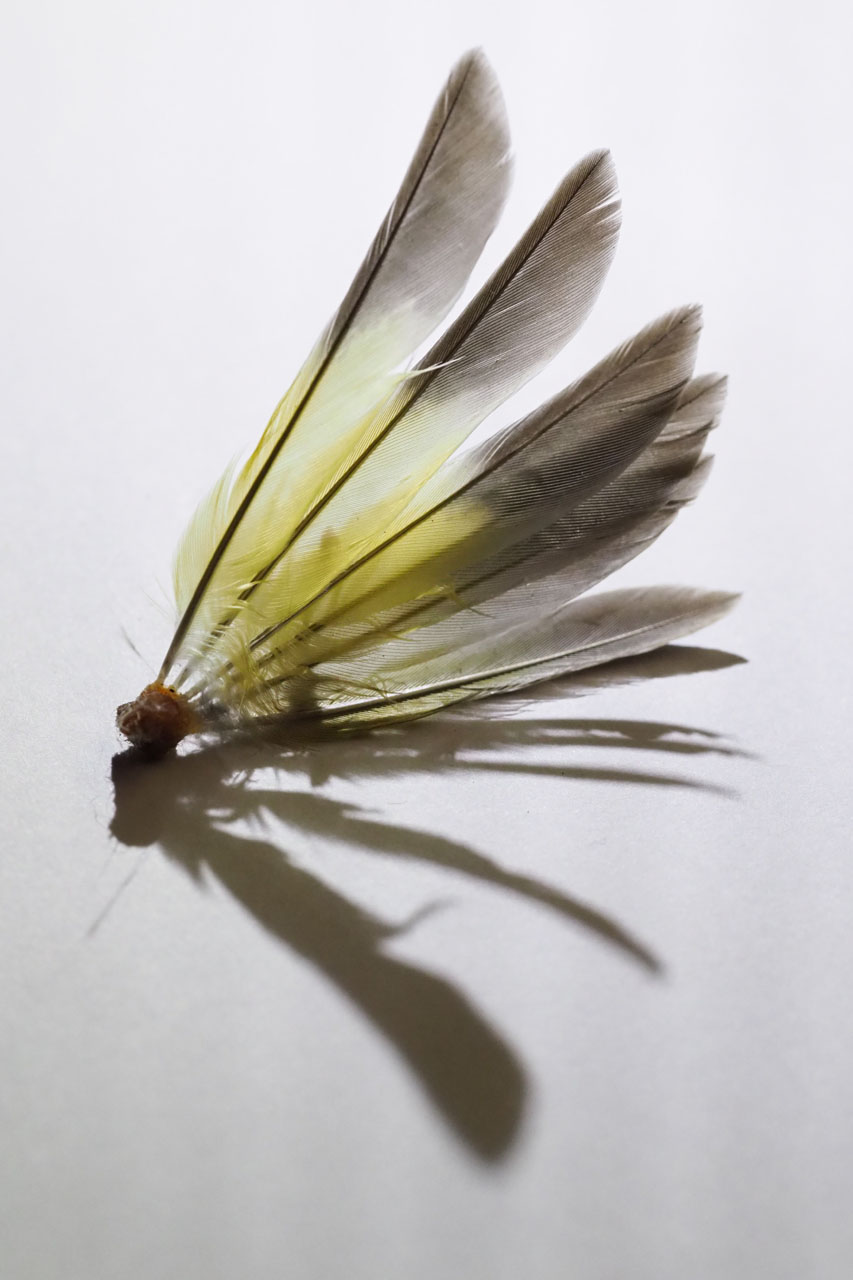
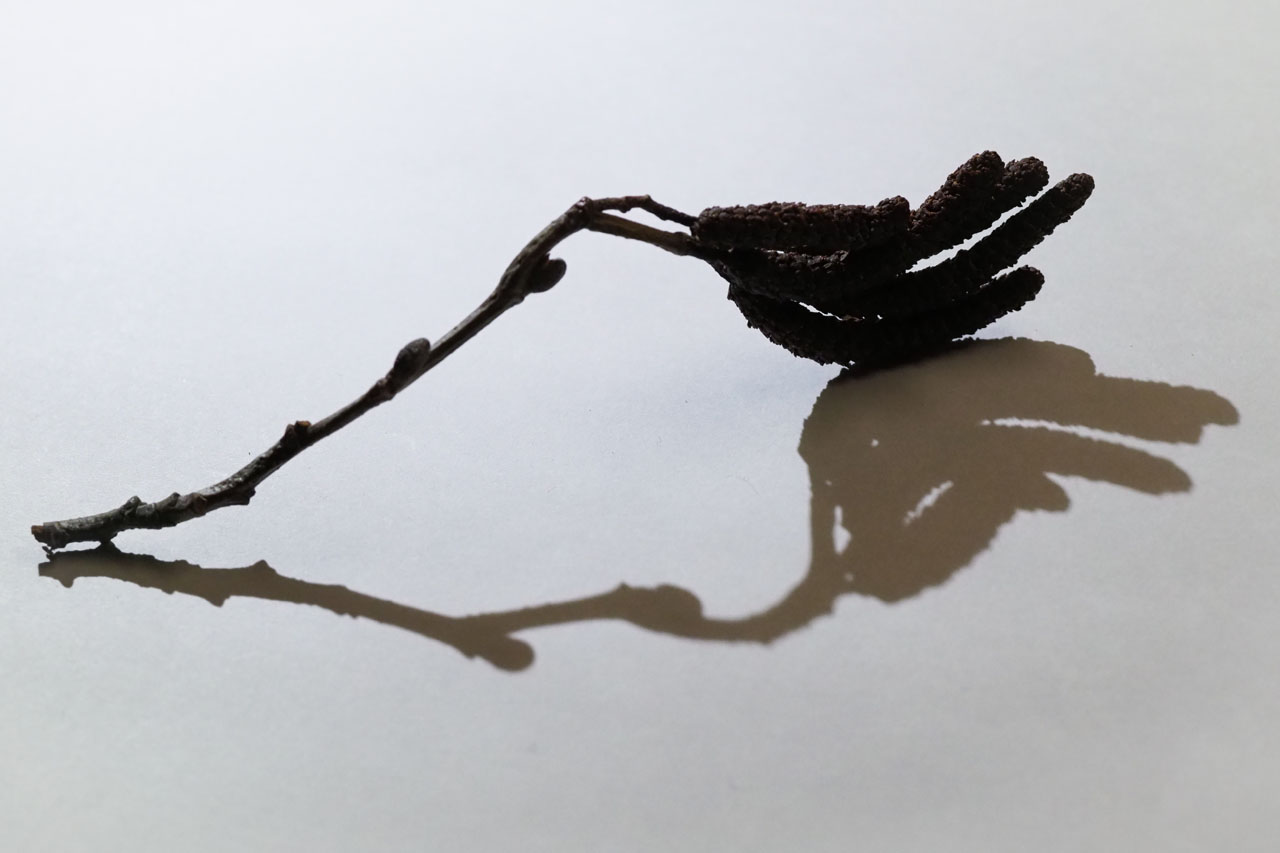
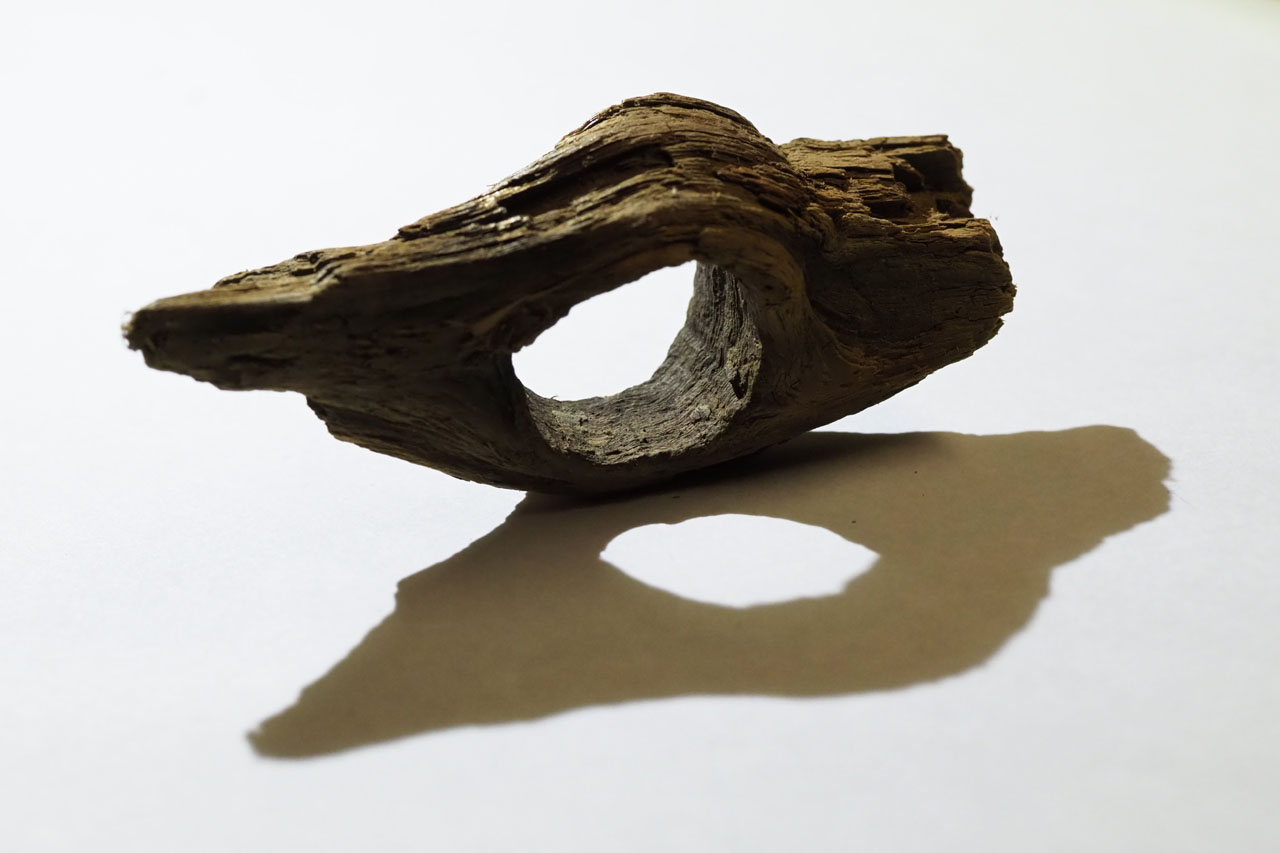
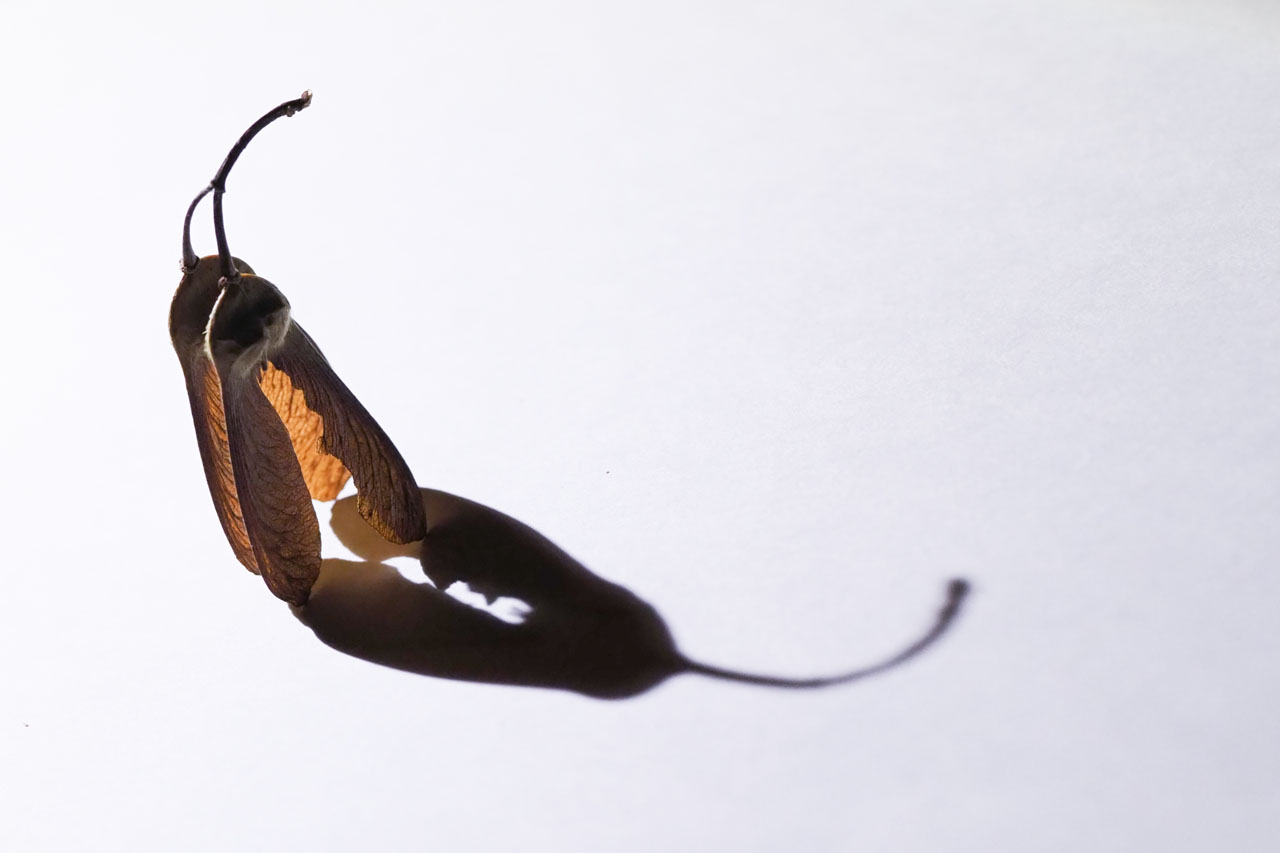
Materials Provided by Yoshiyuki Nagata
These materials are provided by Yoshiyuki Nagata, principal investigator of the CONNECTEDkind research project. The photographs capture natural objects and their shadows encountered along pilgrimage routes in Portugal and Spain, as well as in Bali.
Examples of Droplets
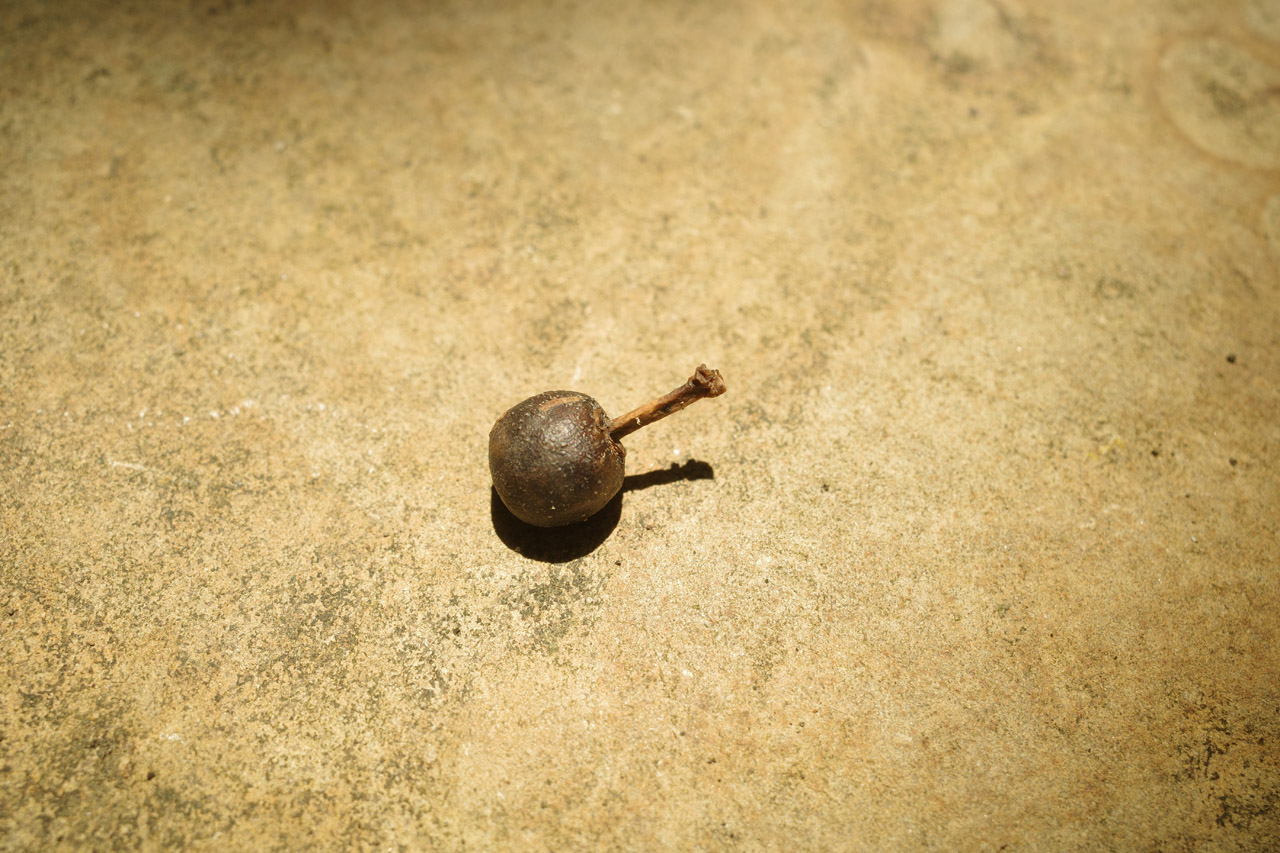
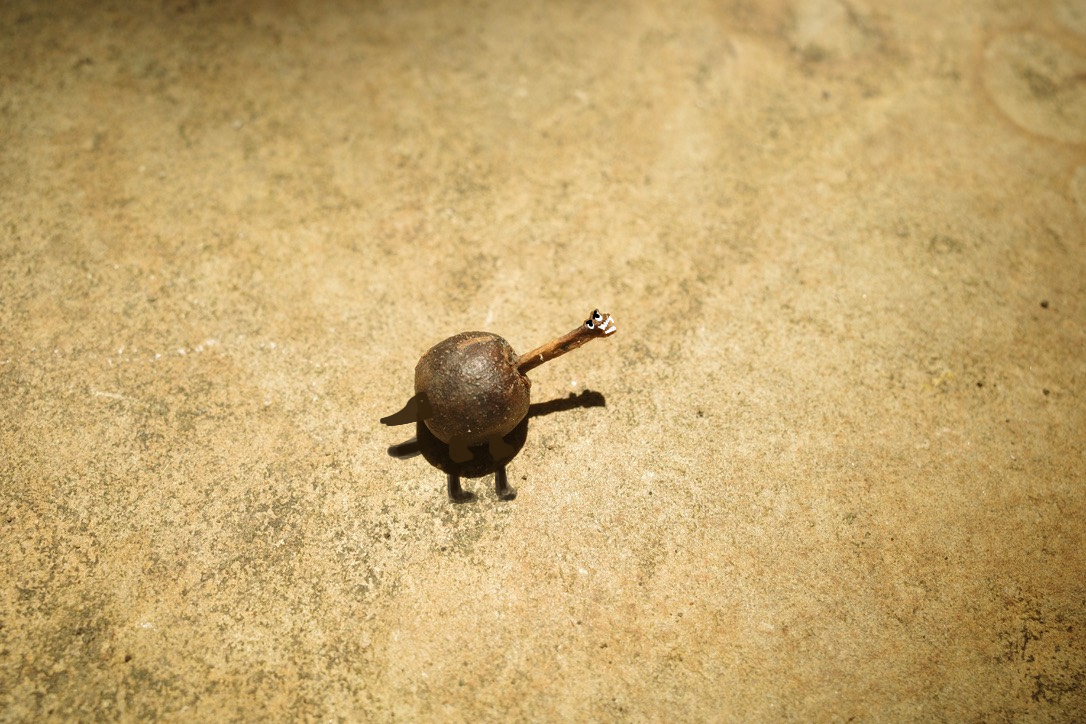
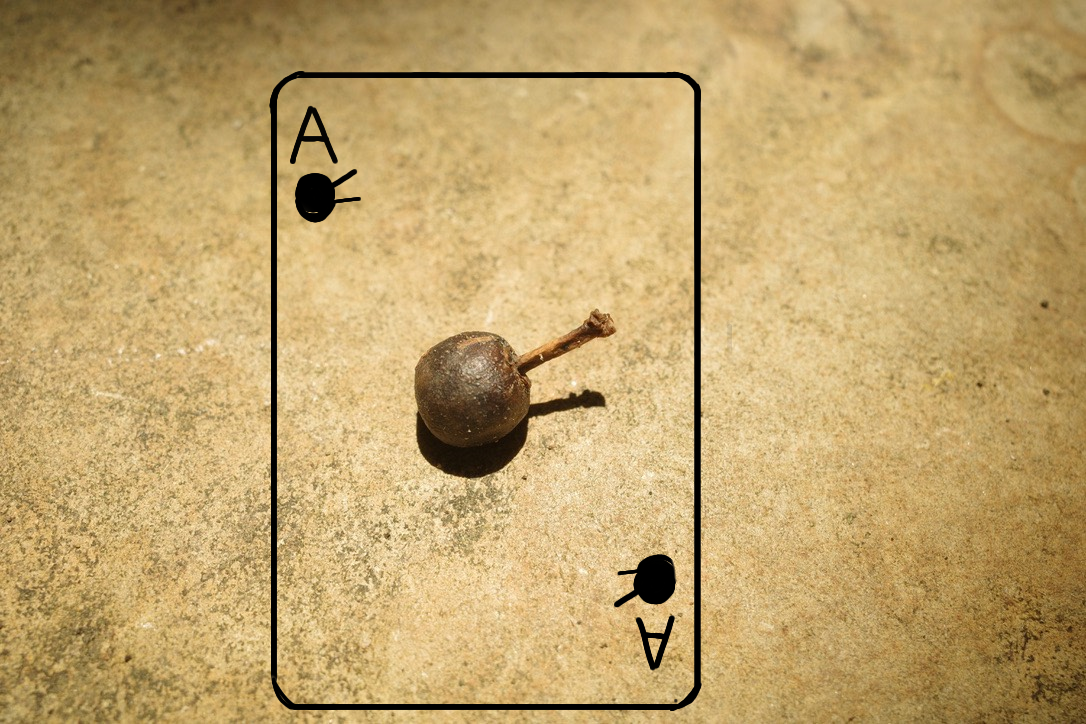
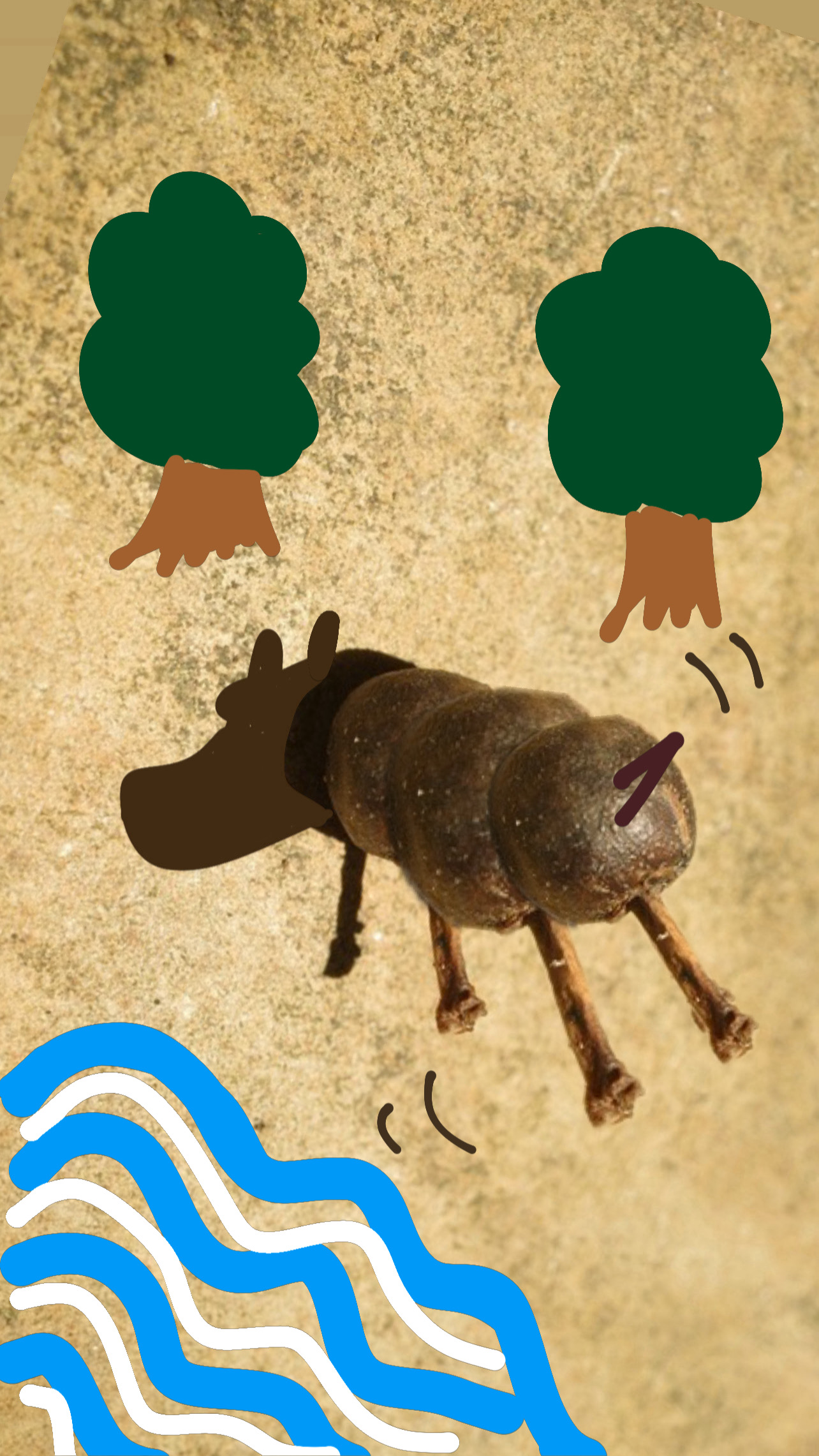
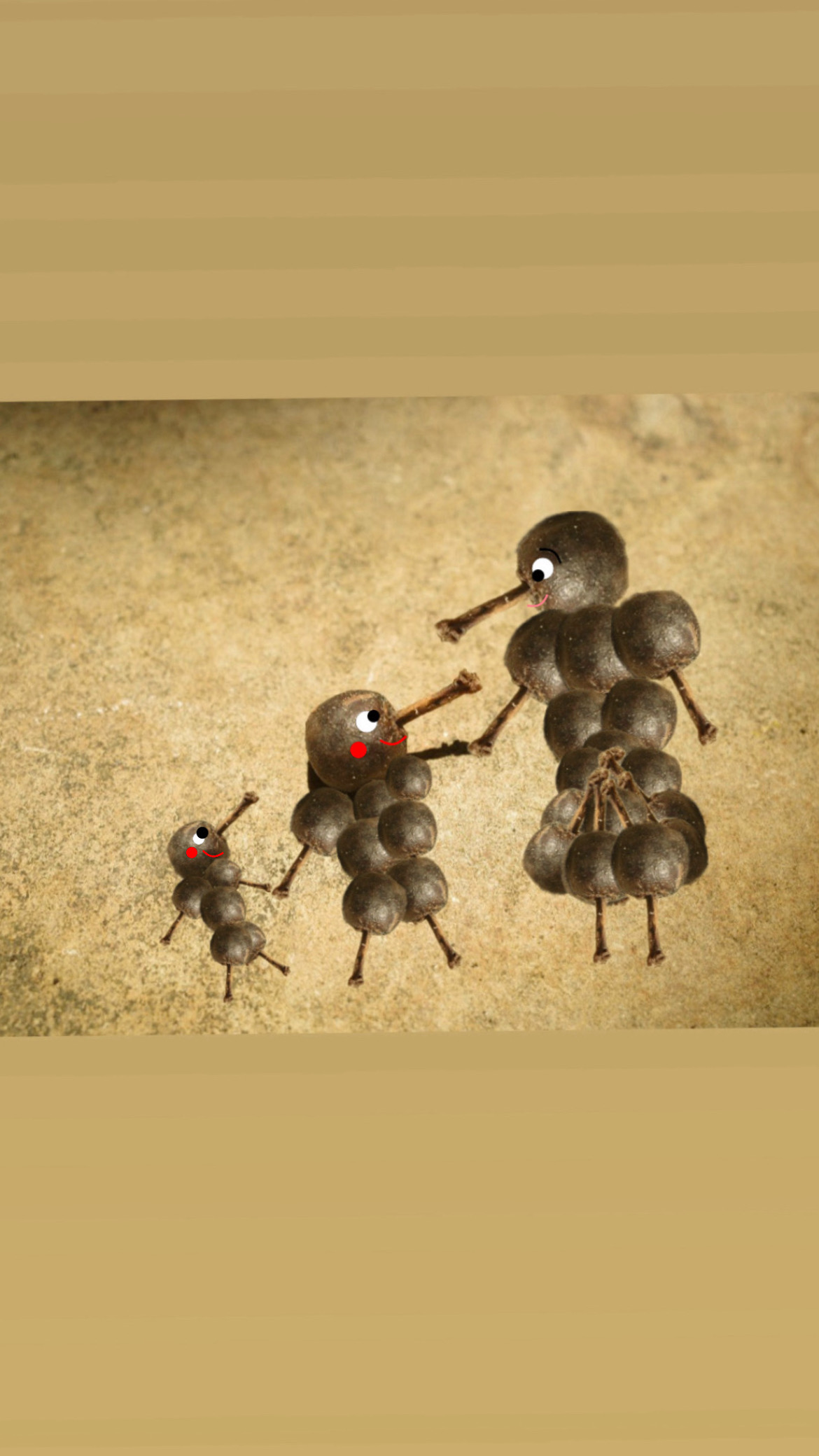
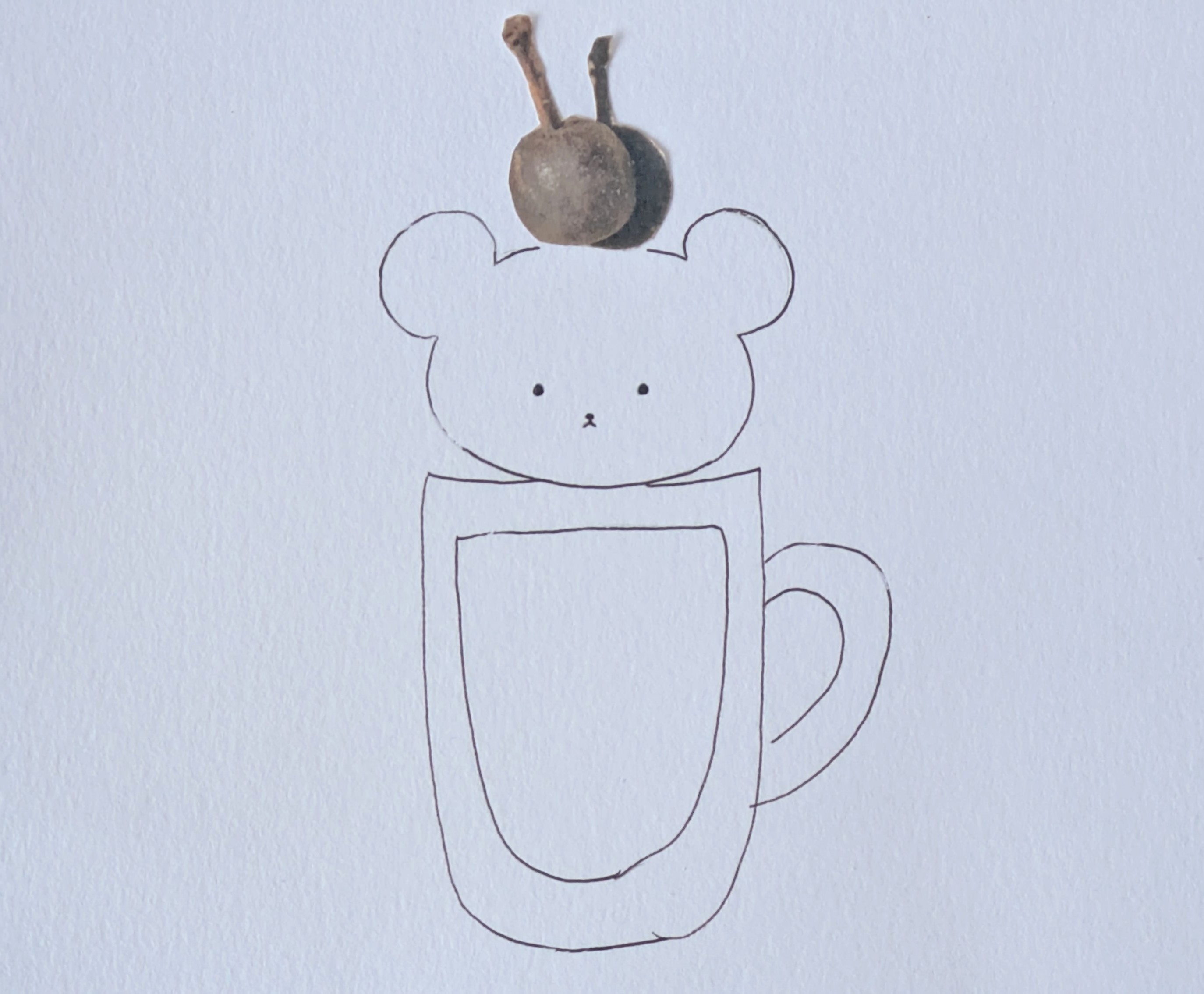
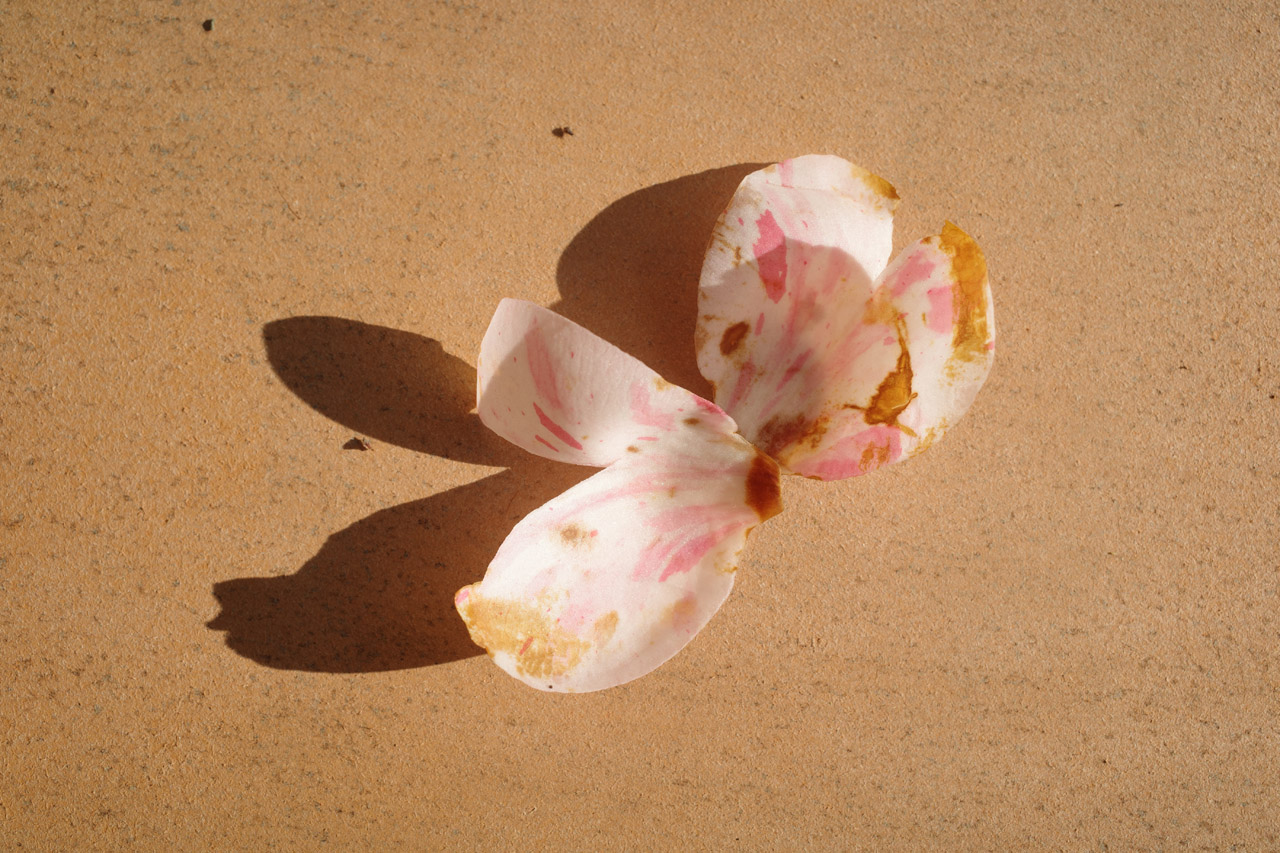
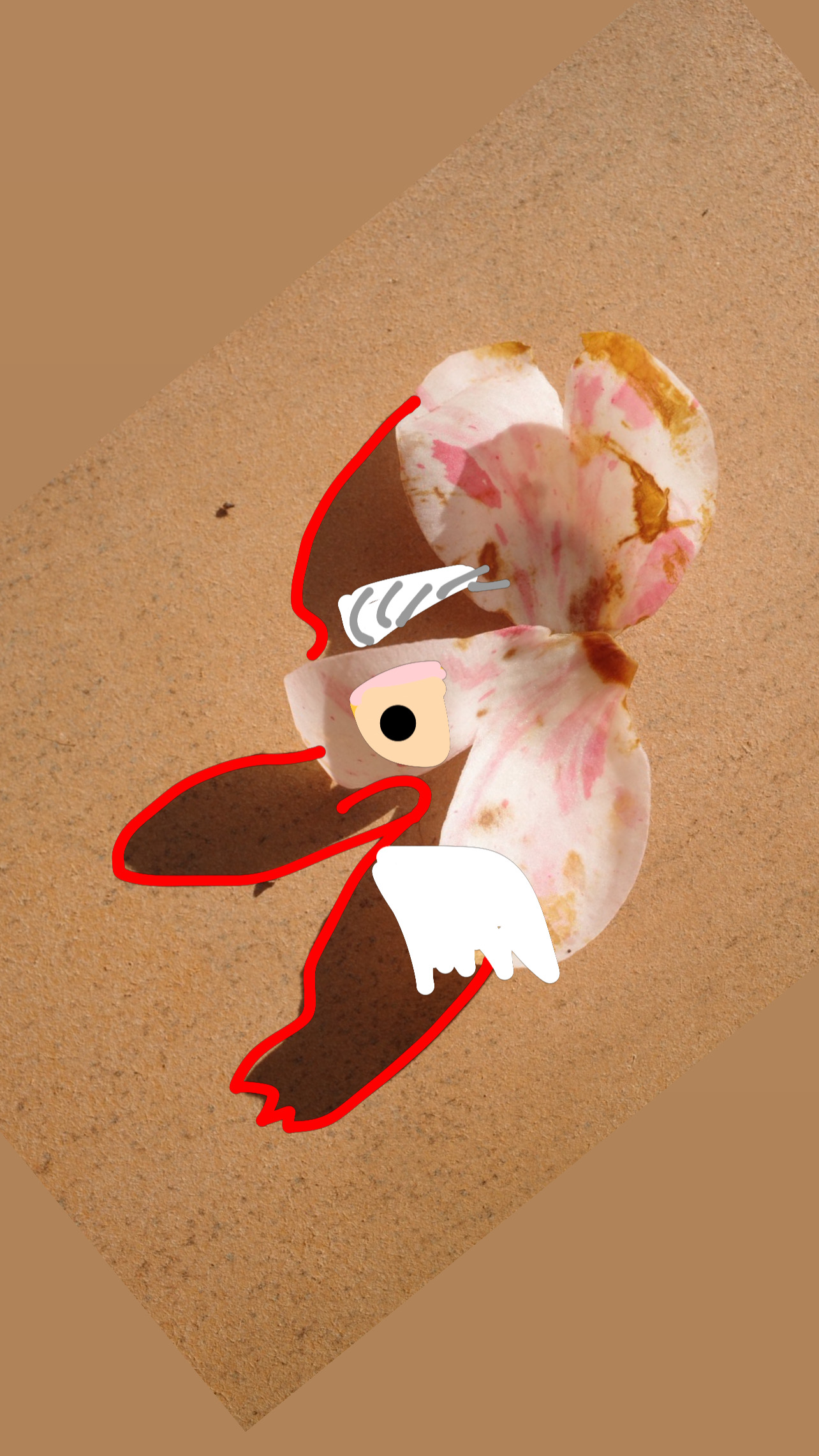
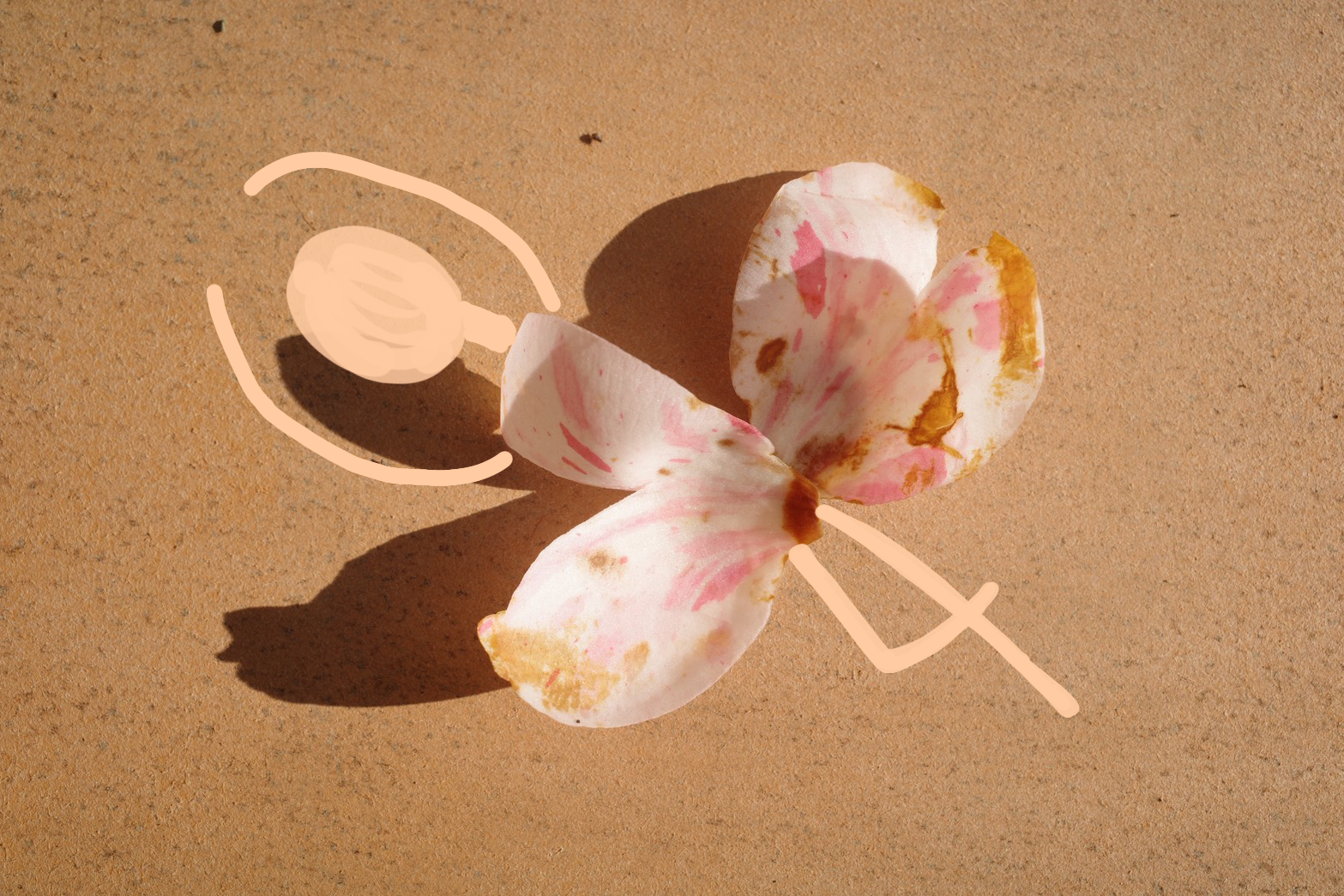
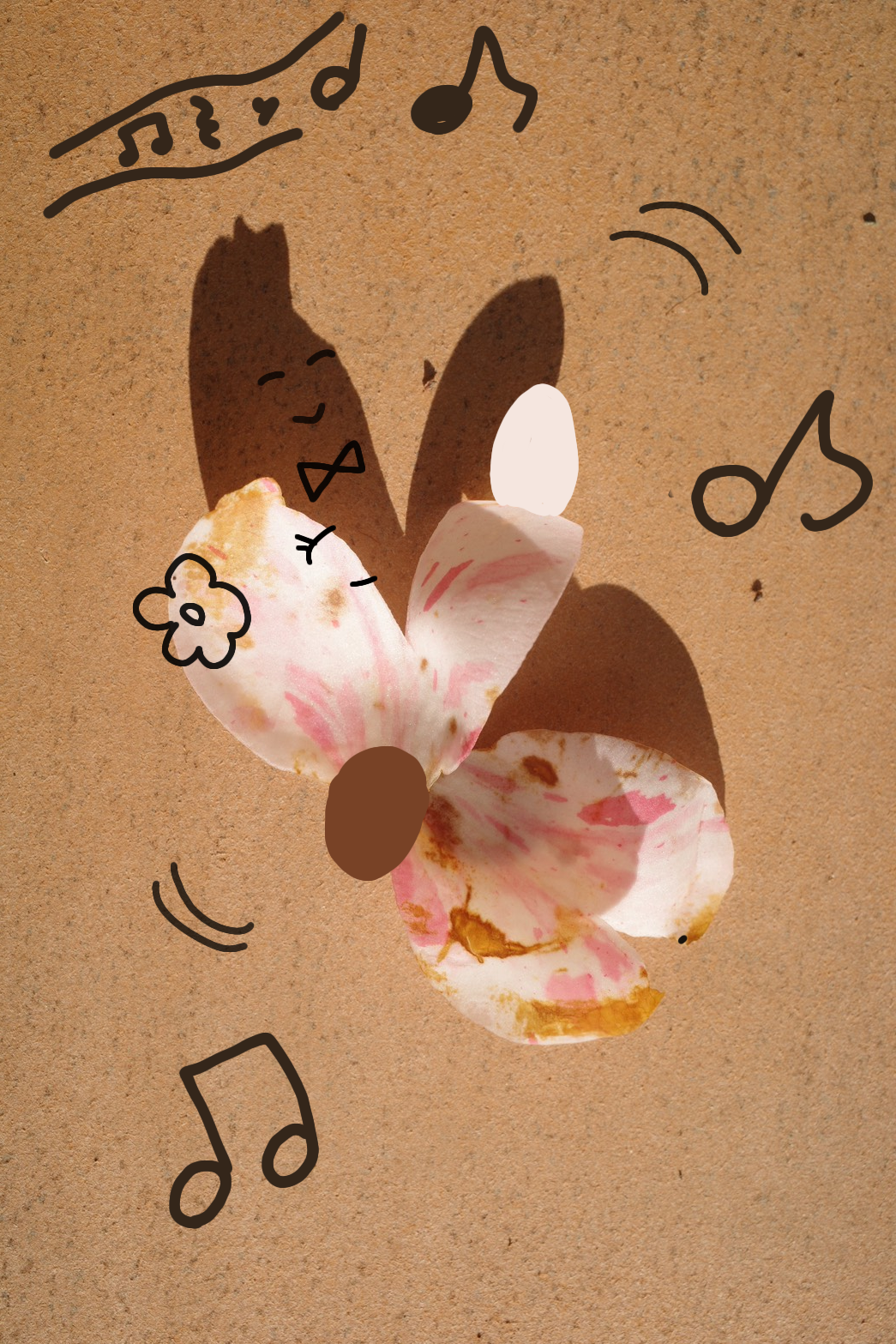
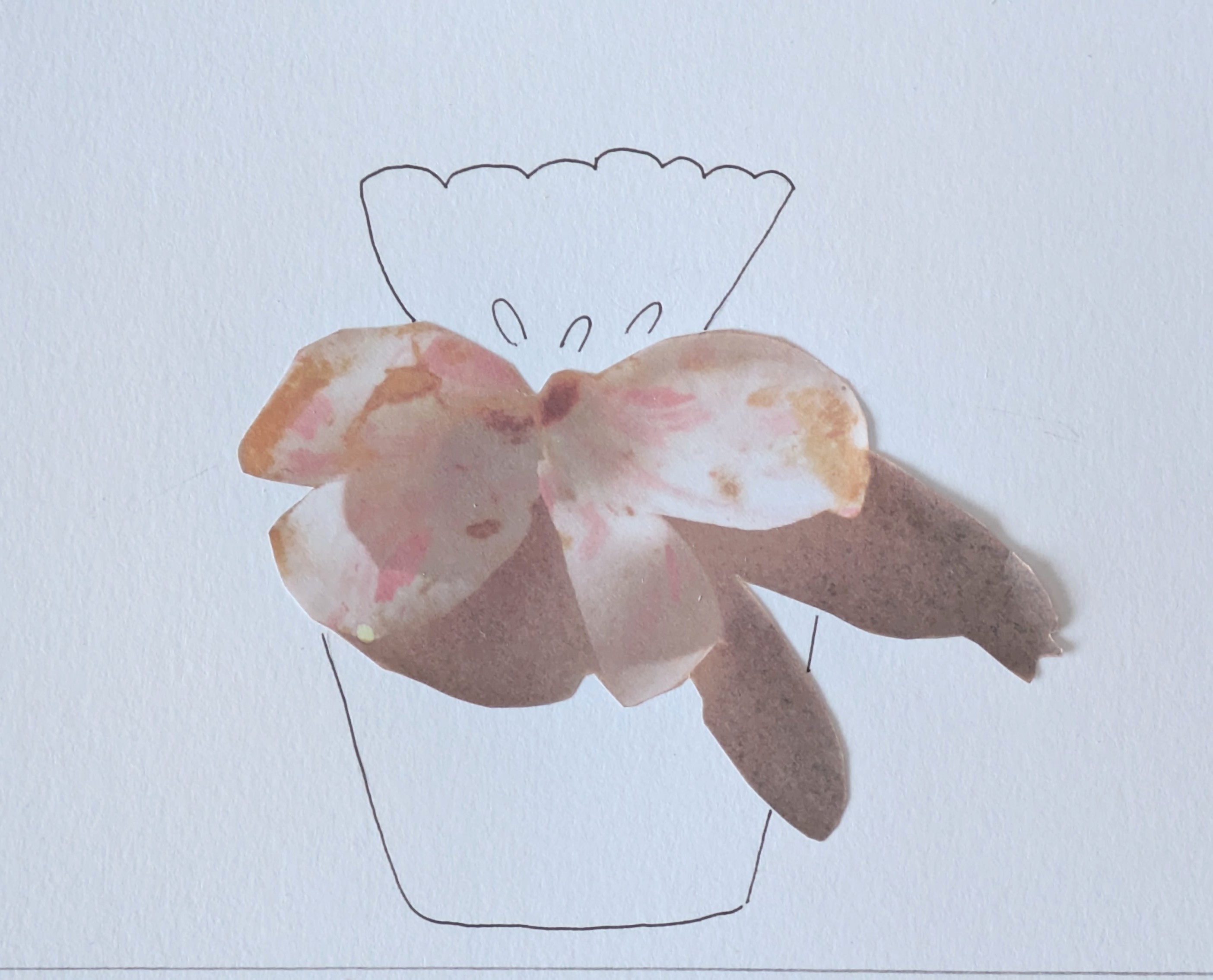
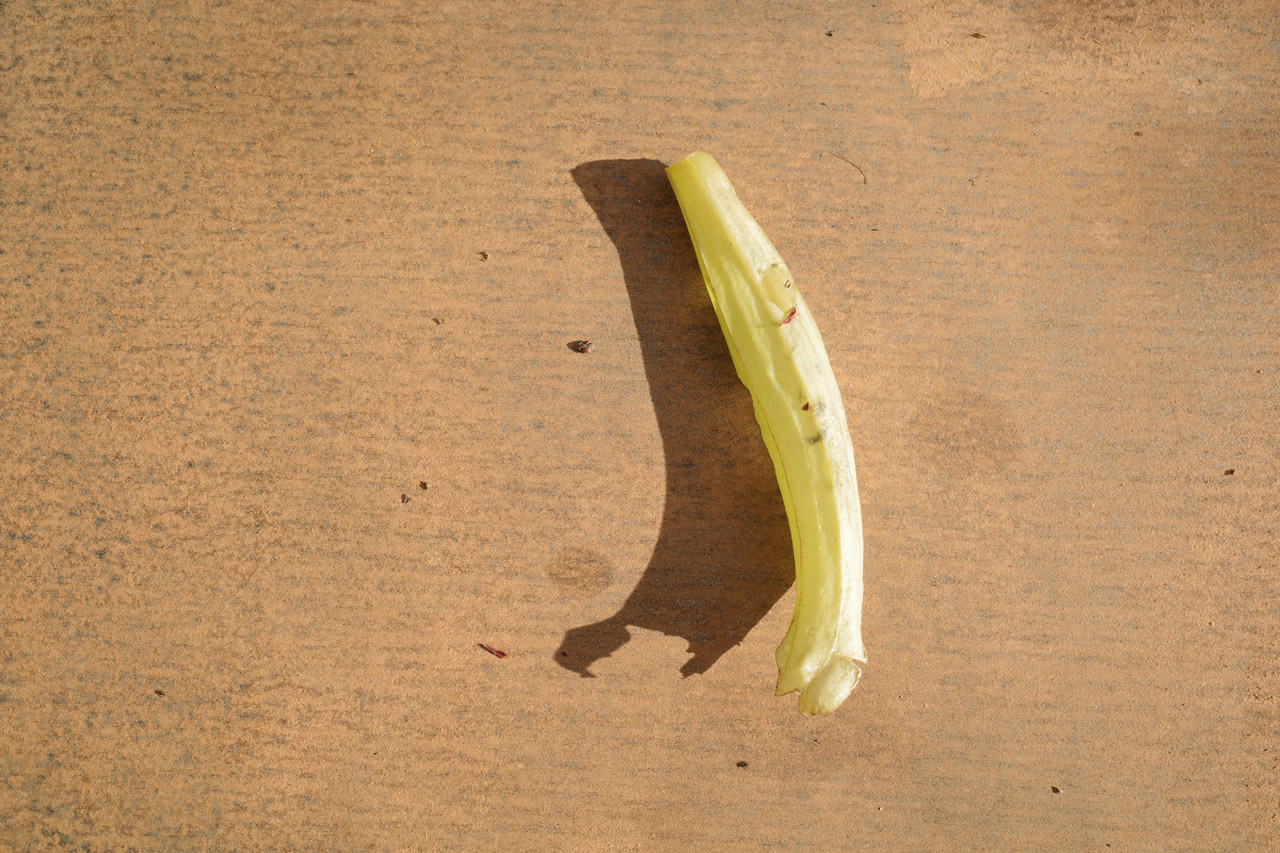
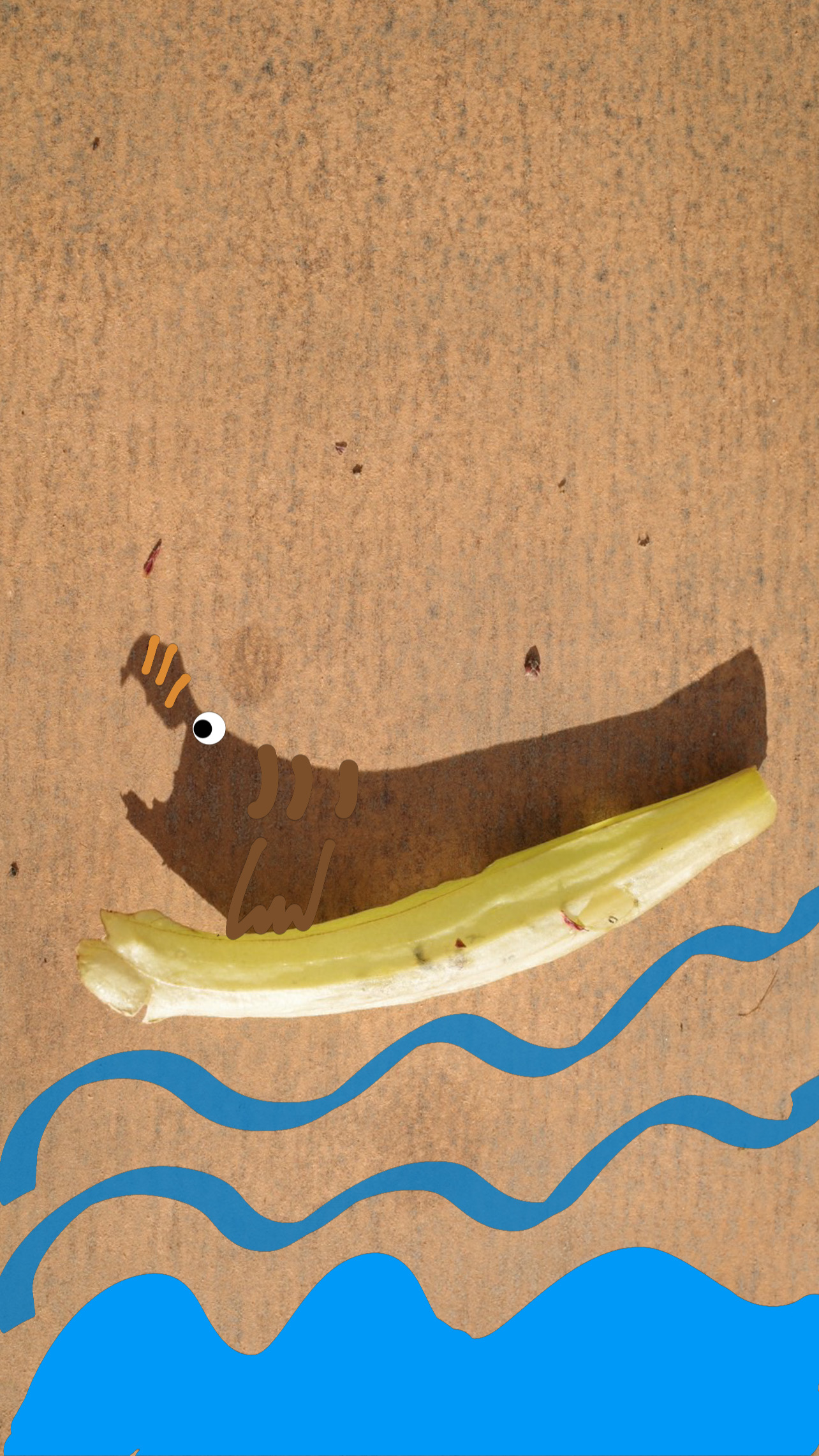
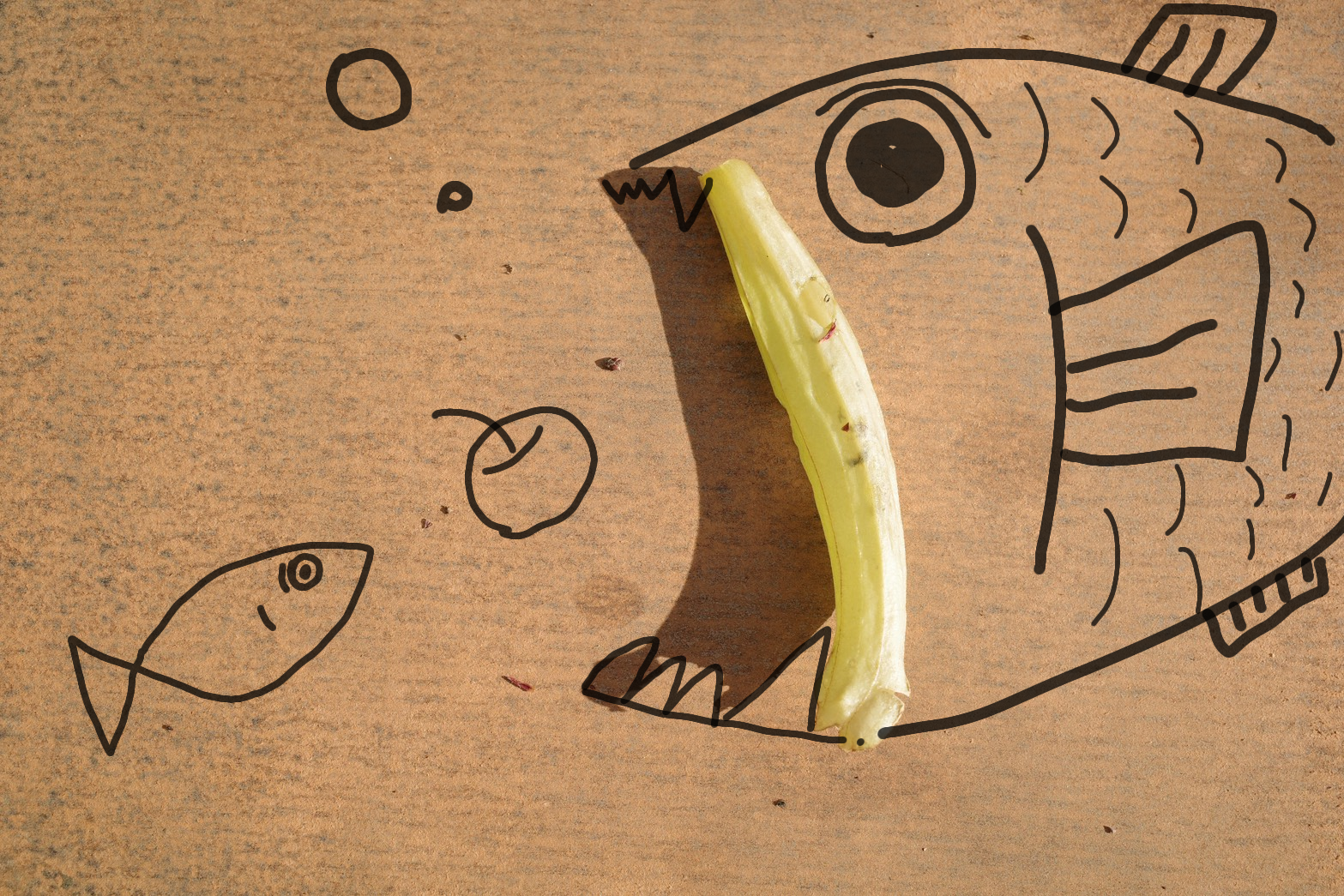
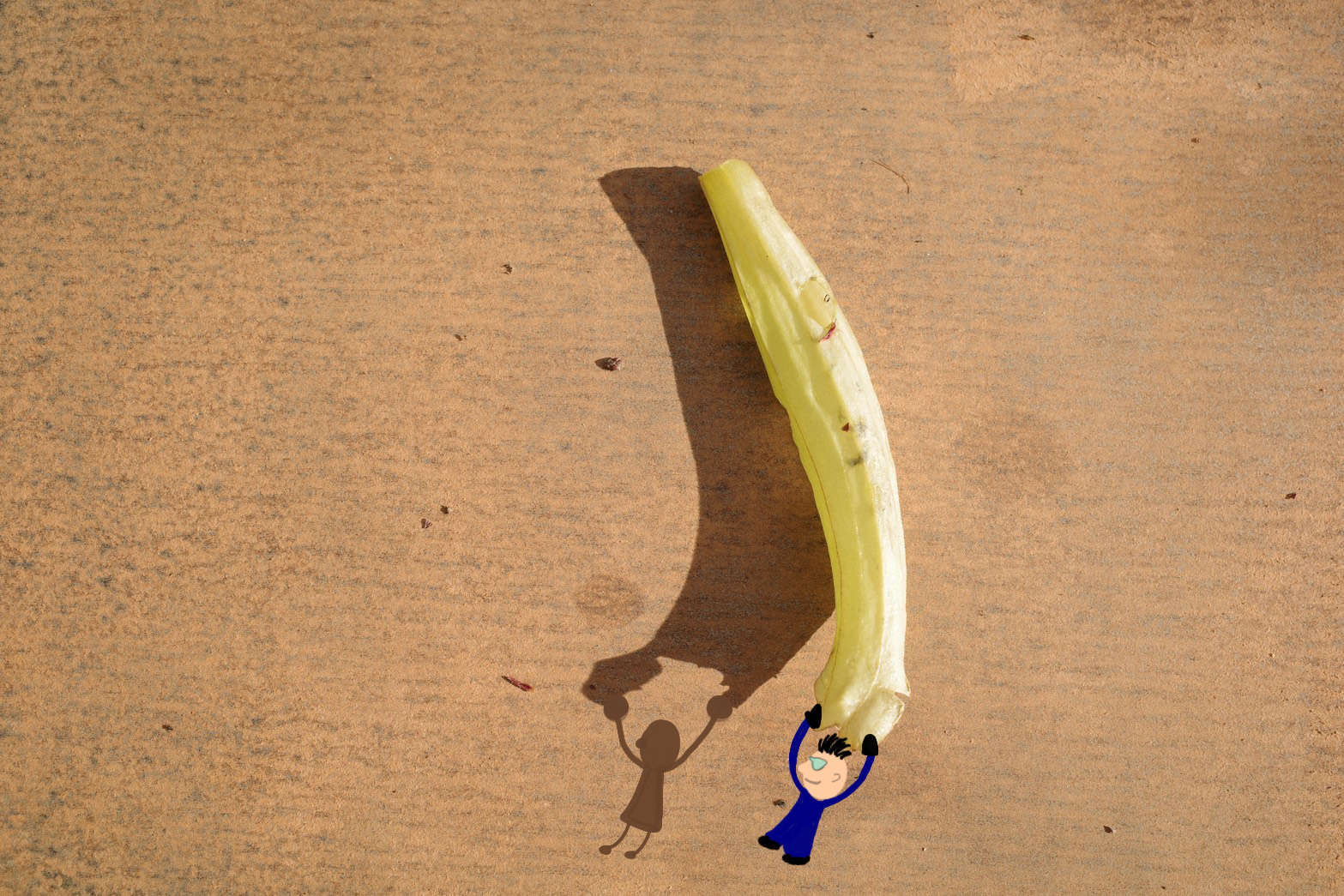
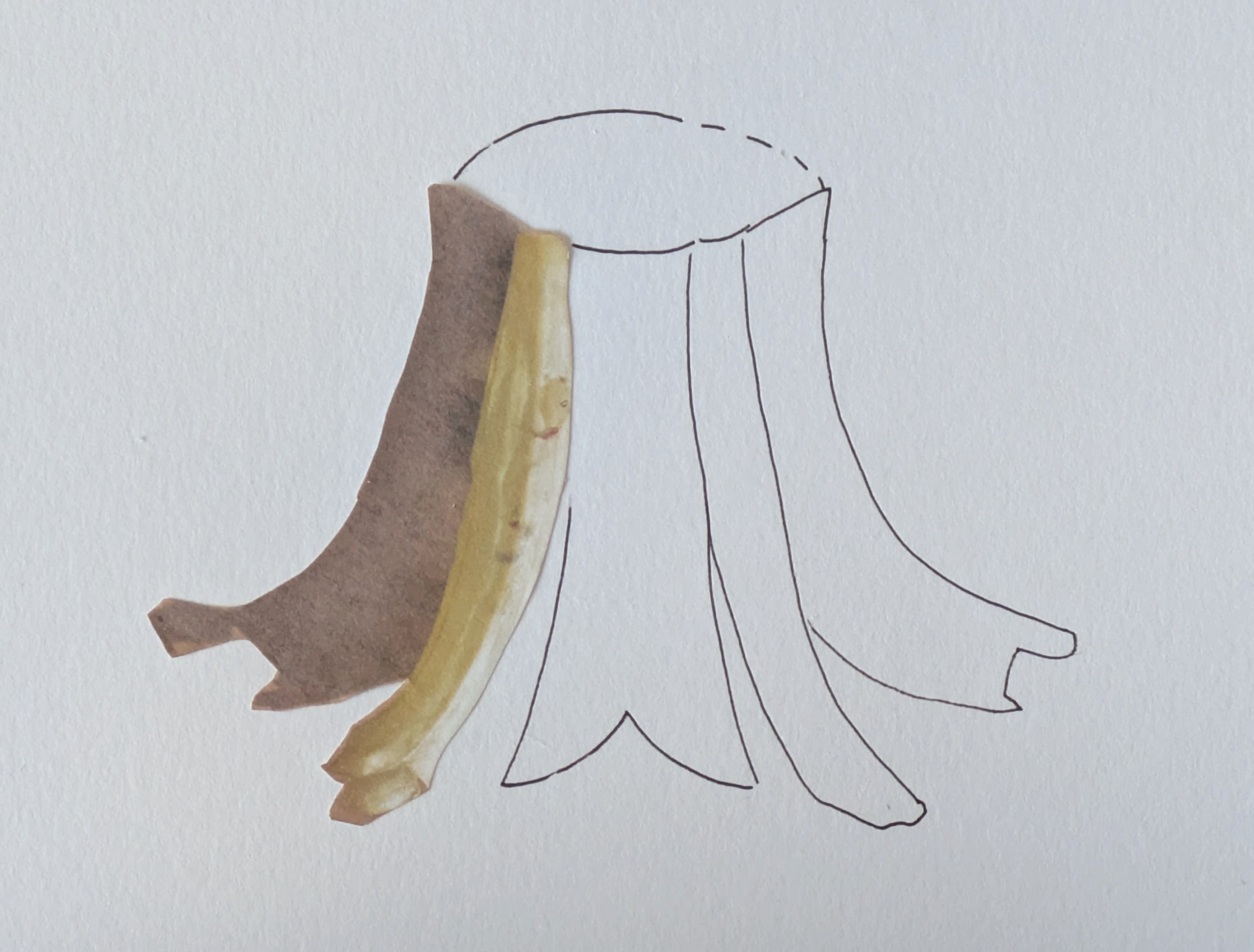
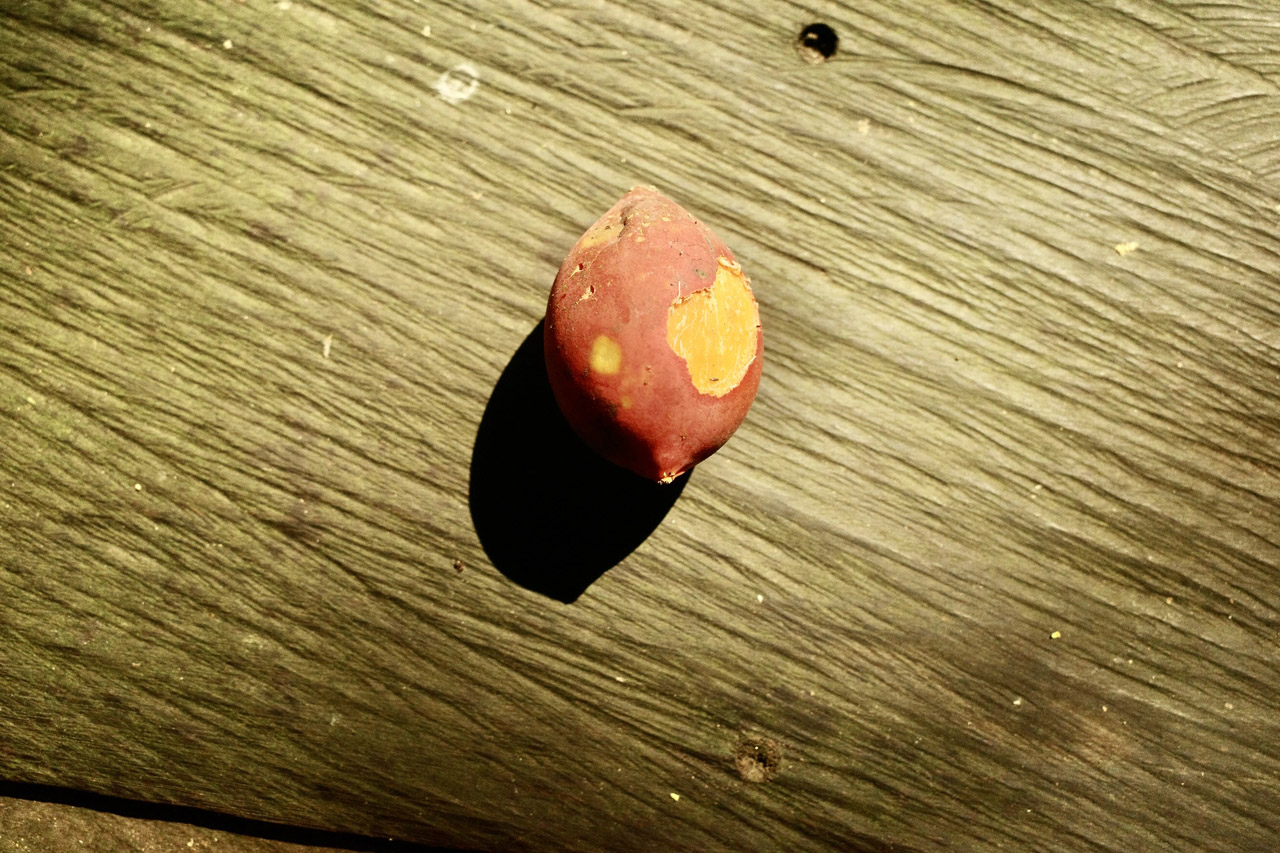
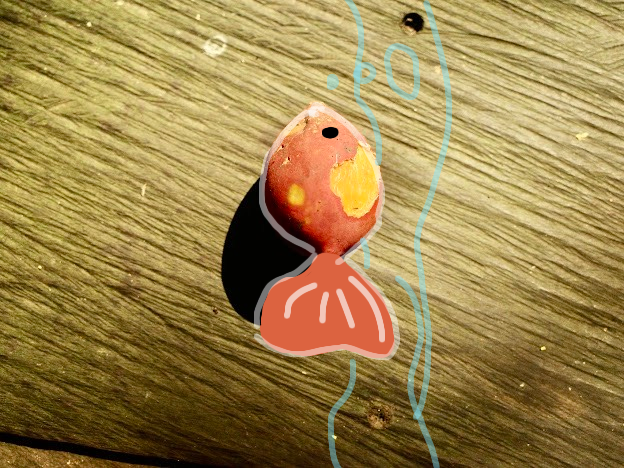
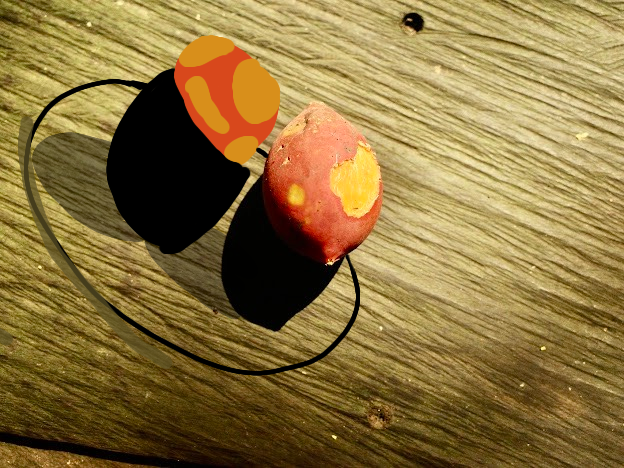
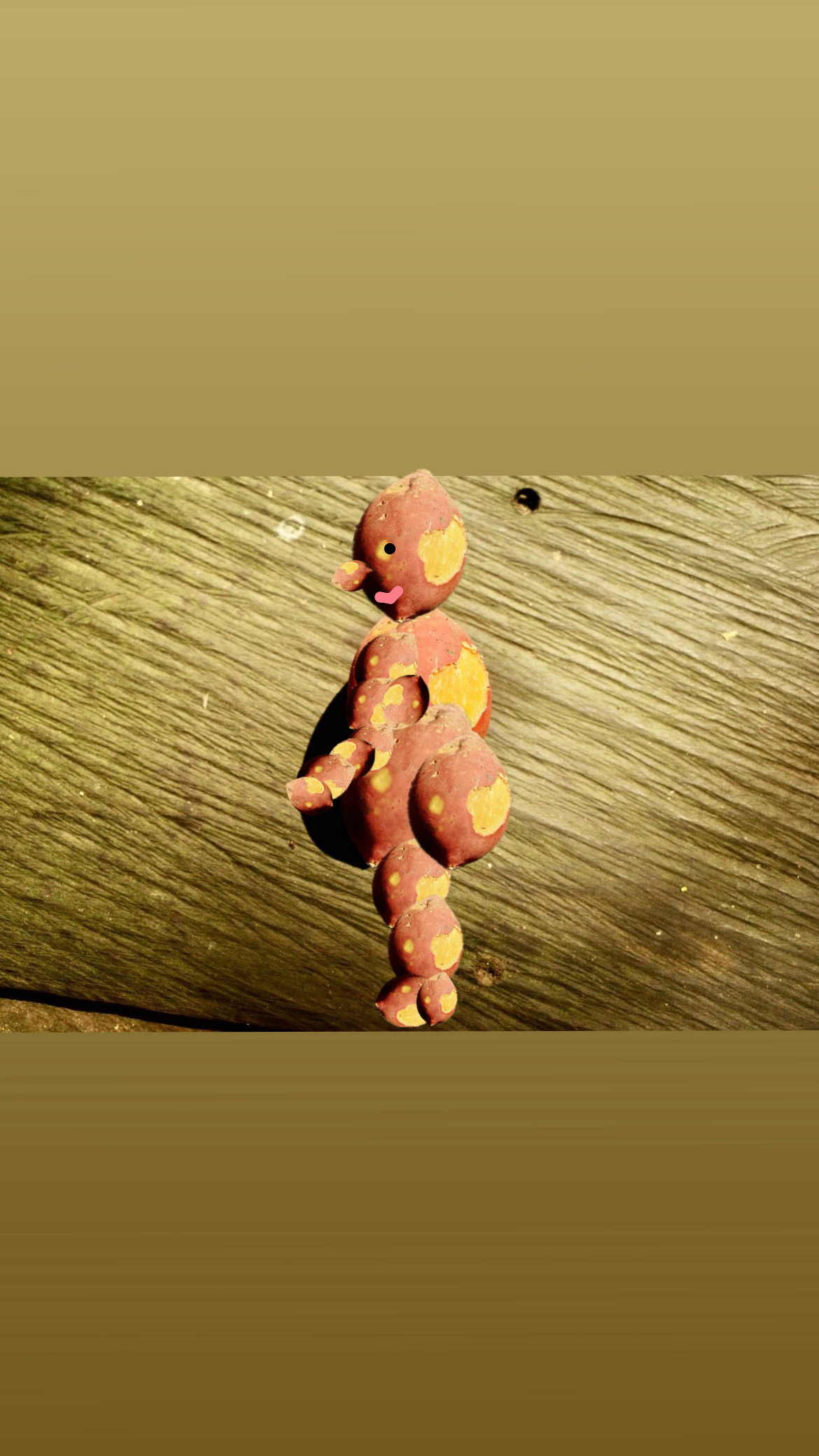
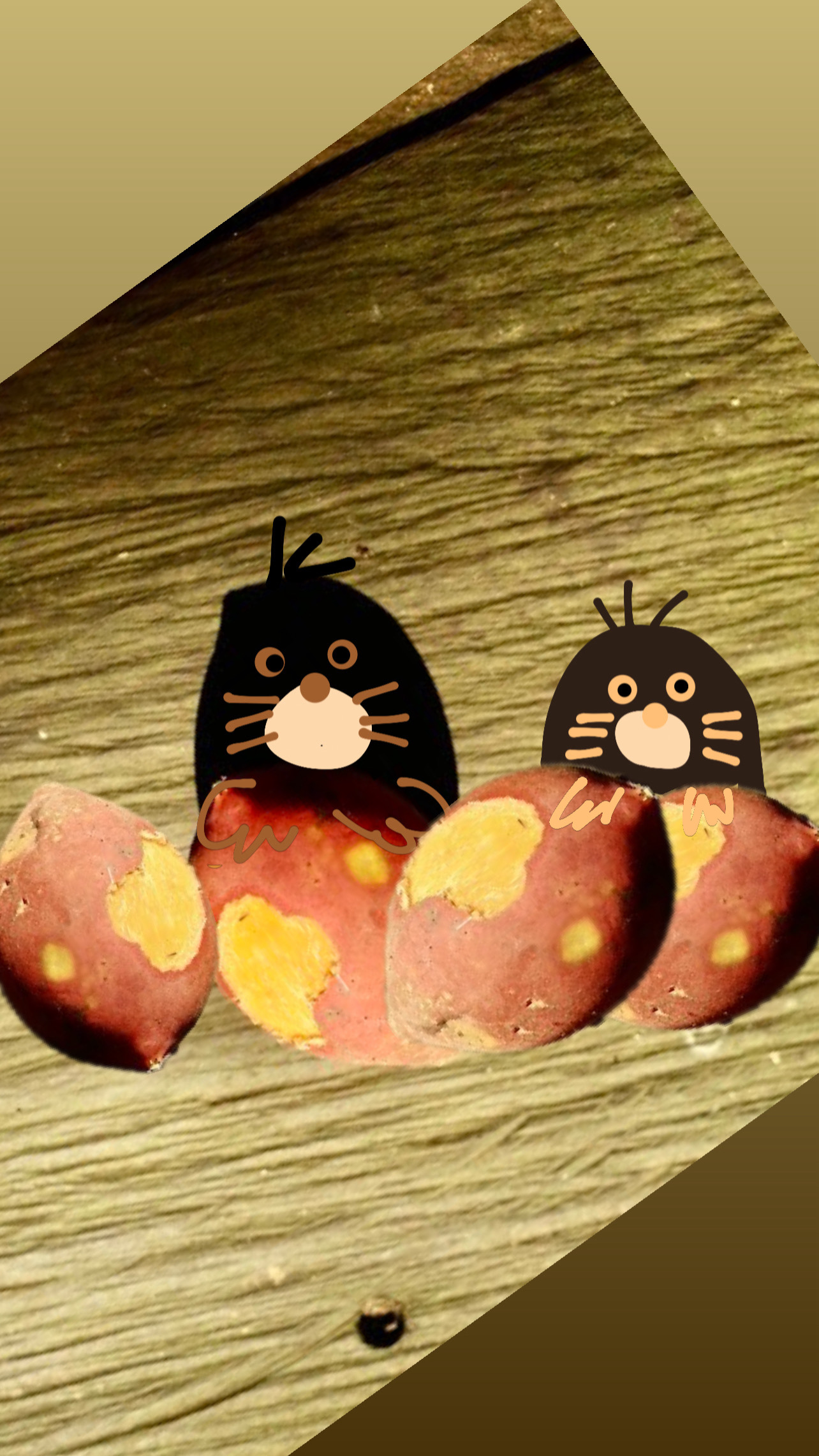
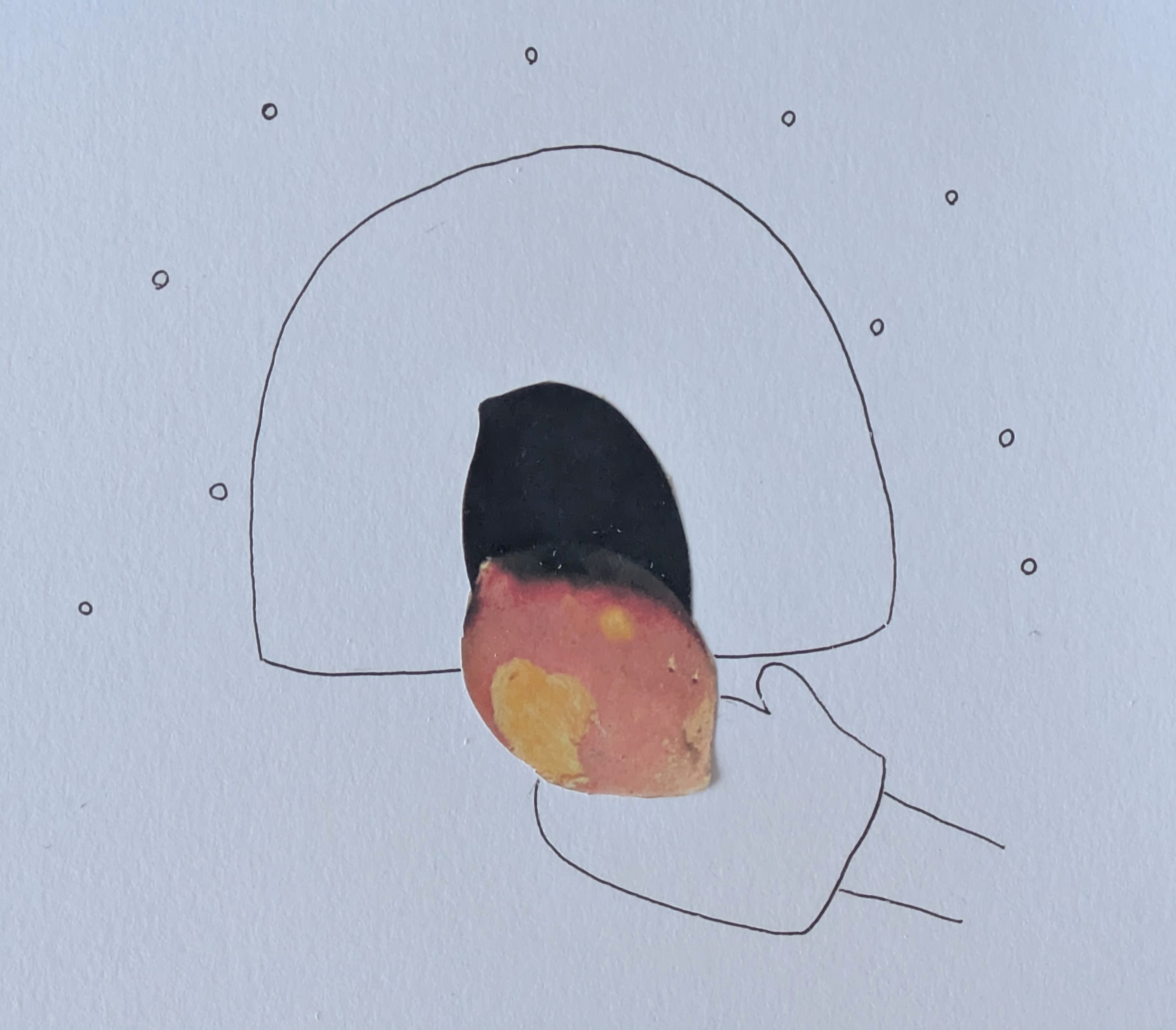
Photo Materials Gallery


Copyright and Usage
The name “CONNECTEDkind,” along with the methods and artworks presented on this website, may be used solely for educational purposes and not for commercial gain.
For special requests, please contact:
Laura Belevica laurabelevica@gmail.com
WEB: www.connectedkind.com
This research forms part of the results of the project led by Principal Investigator Yoshiyuki Nagata, “An Interdisciplinary Study on Learning that Fosters Imagination: Focusing on the Assessment of CONNECTEDkind’s Effects” (JSPS Grant-in-Aid for Scientific Research [KAKENHI], Grant-in-Aid for Scientific Research (C), FY2022–2025, Grant Number 22K02556).